
NAT Treating the Rotator Cuff (4 hrs)
Treating the Rotator Cuff
4 Hours CE/CPD | Online Course with Dr. Jonathan Kuttner DPT
A focused online course exploring rotator cuff anatomy, trigger point development, and practical treatment strategies for professionals working with shoulder pain, restriction, and dysfunction.
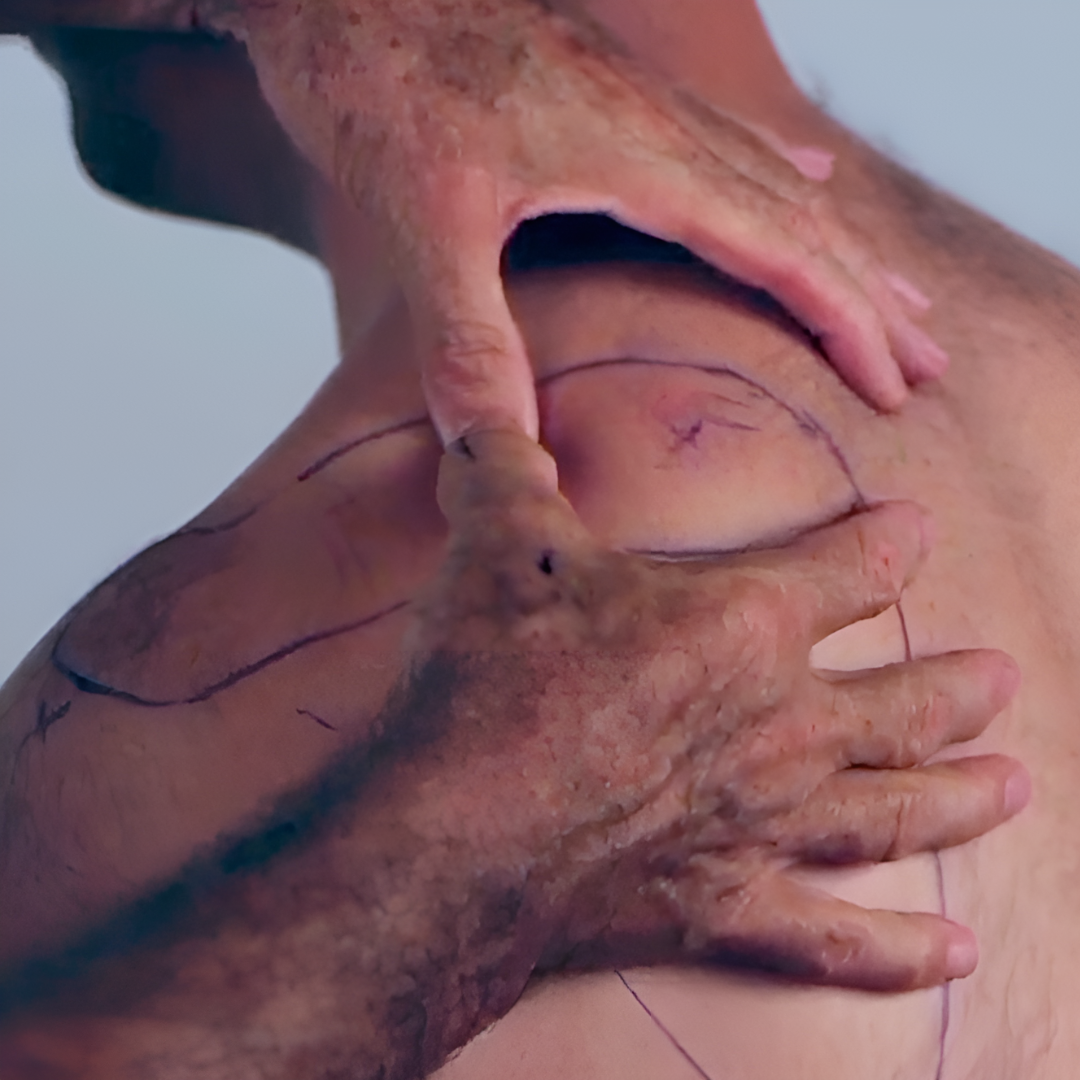
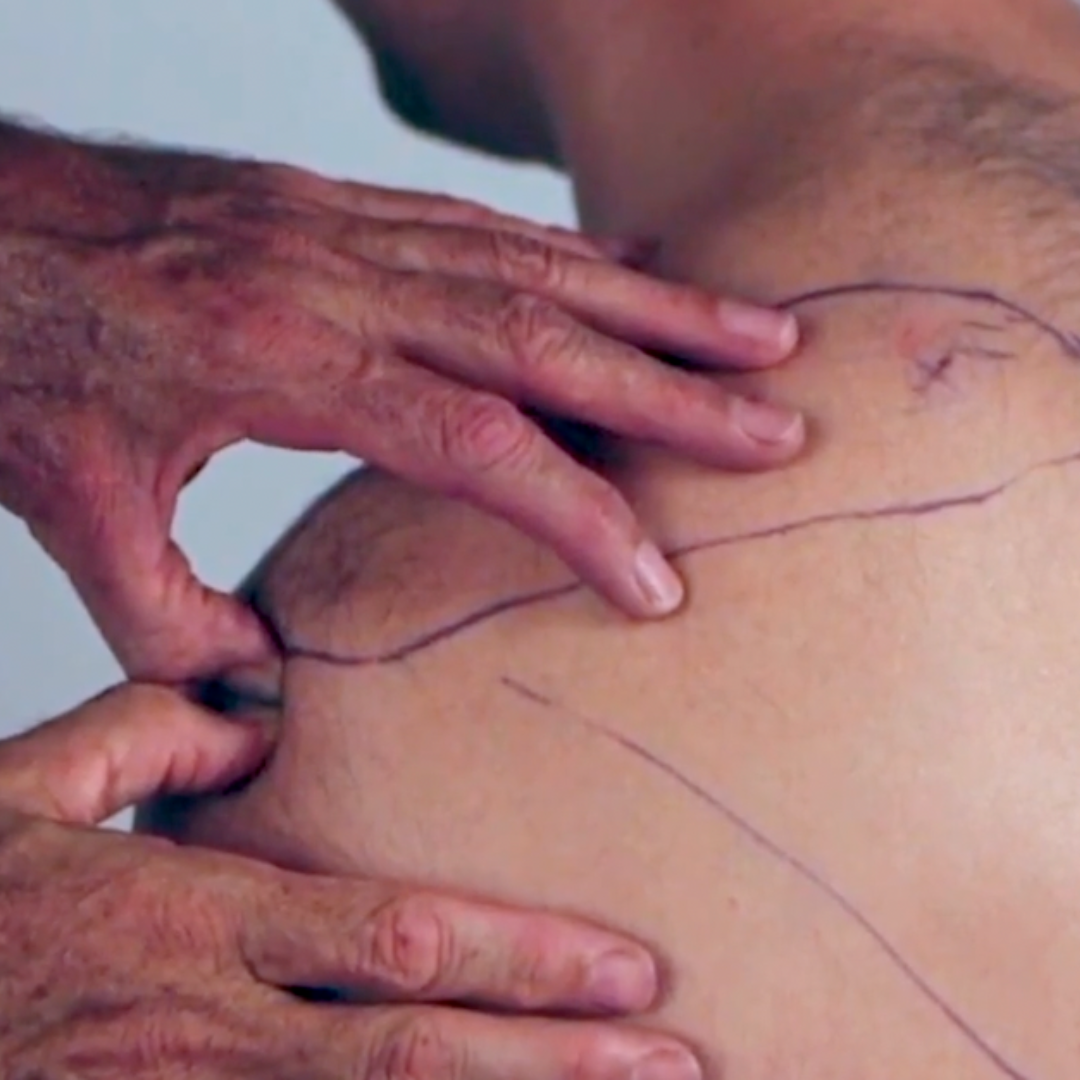
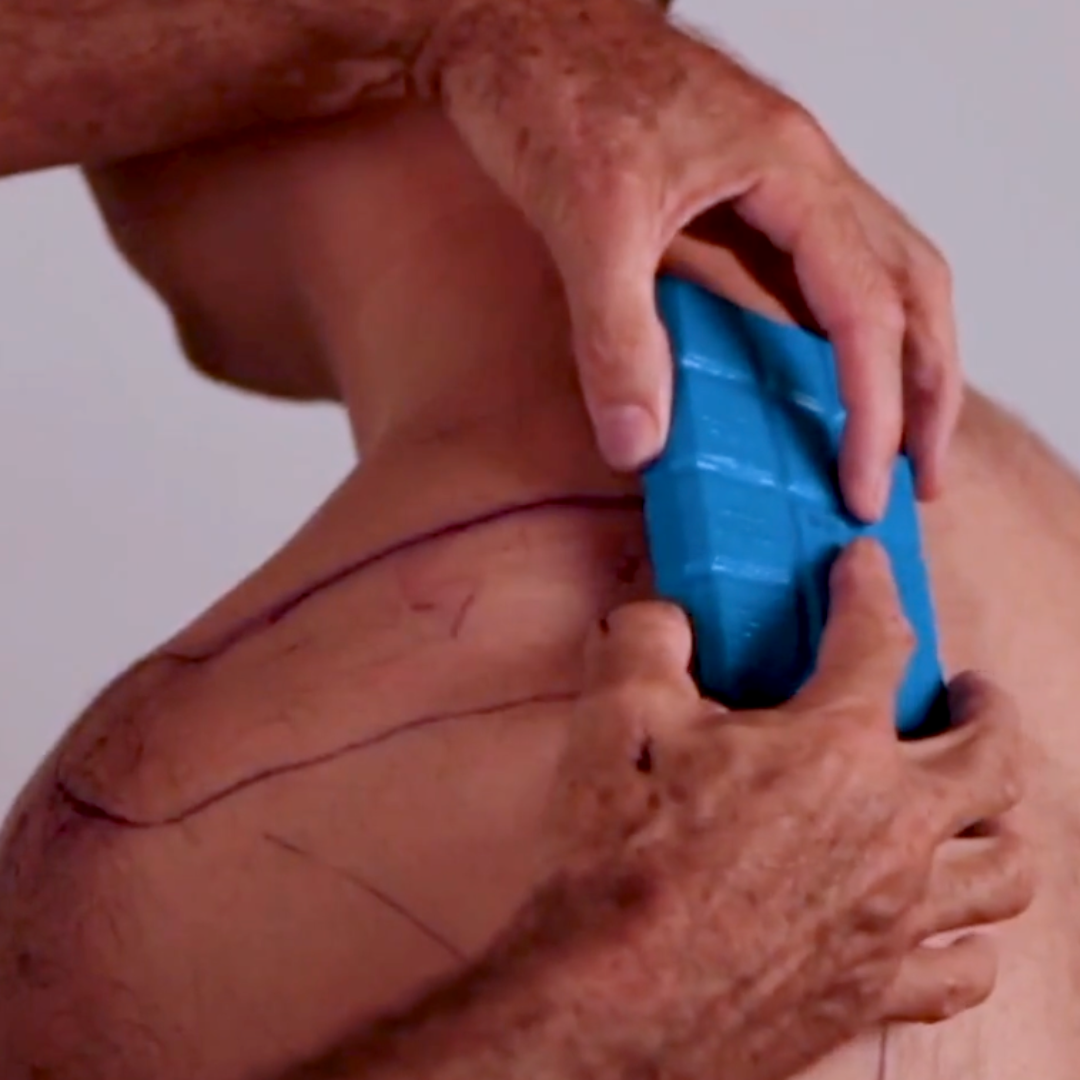
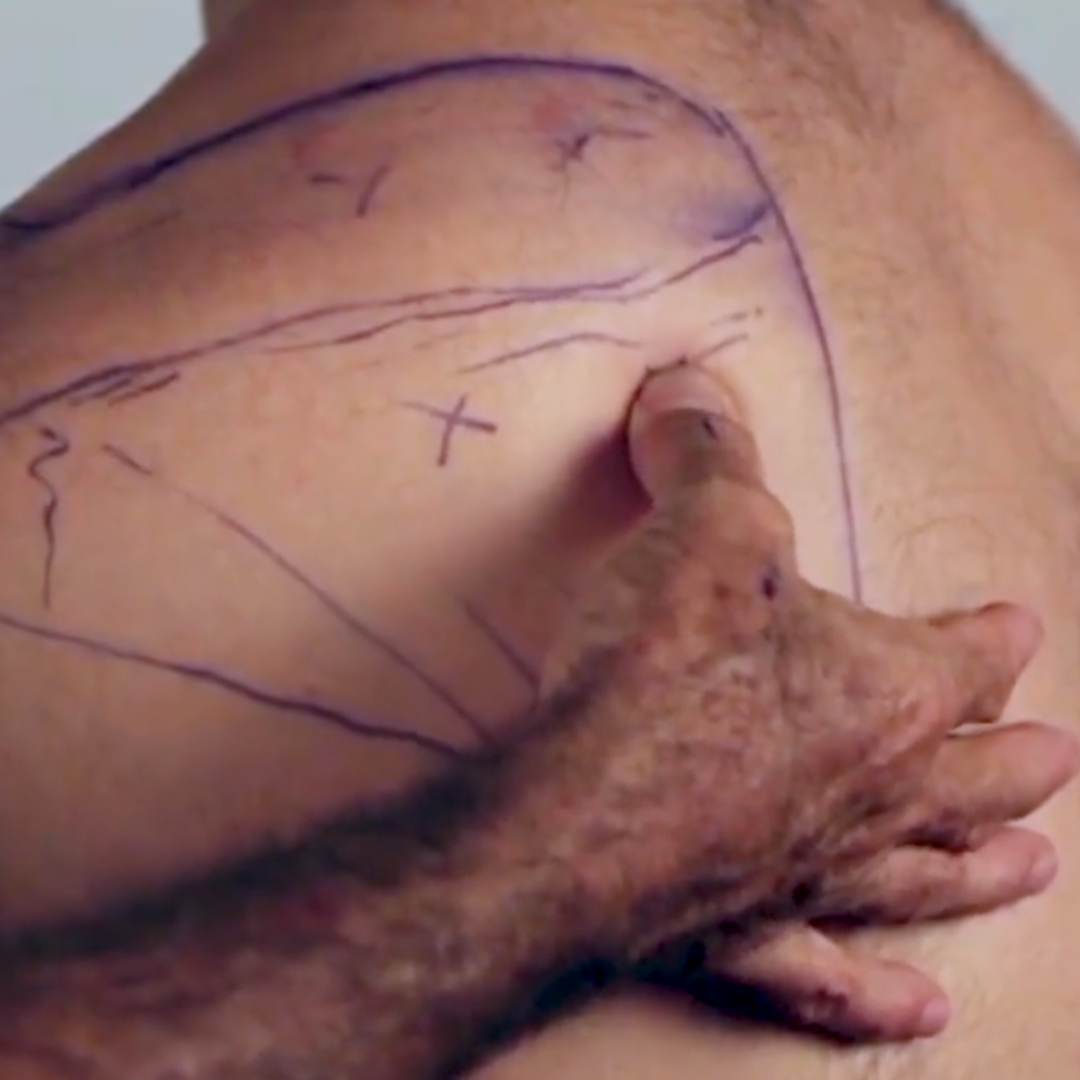
Treating the Rotator Cuff is presented by Dr. Jonathan Kuttner DPT and provides a clear, clinically relevant approach to understanding and treating one of the most important functional regions of the shoulder complex.
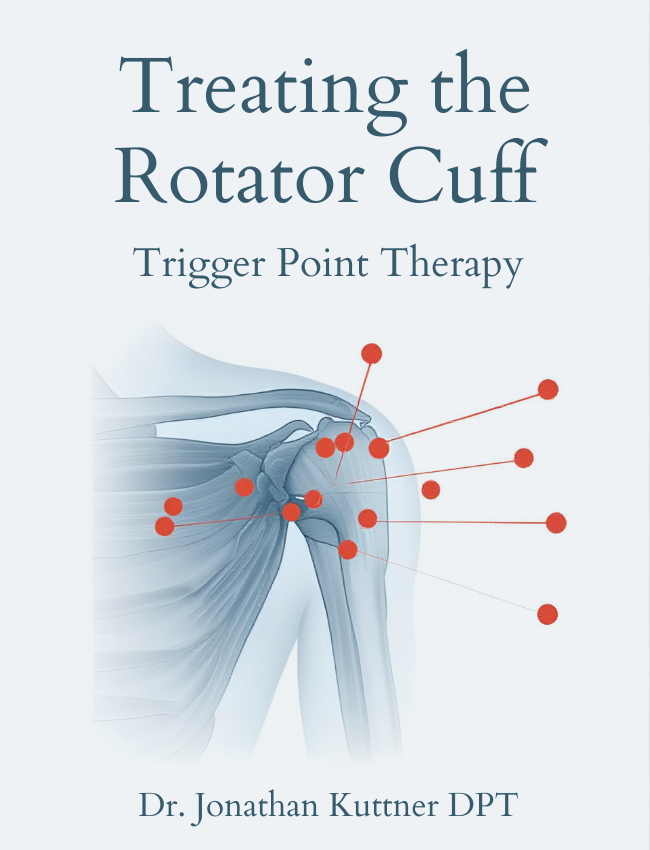
Through online video classes and a fully illustrated 160-page course text, this course supports practical learning in rotator cuff anatomy, trigger point assessment, manual therapy techniques, stretching, and supportive heat and ice applications.
Course Overview
This 4-hour CE/CPD course provides healthcare, rehabilitation, massage, manual therapy, and athletic training professionals with a detailed introduction to the anatomy, function, and treatment considerations of the rotator cuff muscles.
The course examines each of the four rotator cuff muscles, exploring their anatomical role, functional importance, and relationship to shoulder stability, mobility, and pain presentation. Particular attention is given to trigger point development, common referral patterns, and the practical clinical reasoning required when working with this complex region.
Participants will also explore treatment approaches that combine manual therapy, trigger point techniques, stretching, and supportive heat and ice applications within a practical treatment framework.
What You Will Learn
| Topic | Professional Focus |
|---|---|
| Rotator Cuff Anatomy | Understand the structure, function, and clinical relevance of the supraspinatus, infraspinatus, teres minor, and subscapularis muscles. |
| Trigger Point Development | Explore how trigger points may develop in the rotator cuff and how they can contribute to pain, restriction, and altered shoulder function. |
| Assessment and Location Skills | Develop greater confidence in identifying relevant muscle anatomy and locating areas of sensitivity or dysfunction. |
| Manual Therapy Techniques | Learn practical treatment approaches demonstrated through clear online video instruction. |
| Integrated Treatment Strategies | Understand how manual therapy, stretching, heat, and ice may be incorporated into a broader treatment plan. |
Course Content / Modules
The course combines anatomical teaching, trigger point education, and practical treatment demonstrations to help learners apply the material with confidence in professional practice.
| Module Area | Focus |
|---|---|
| Rotator Cuff Anatomy and Function | A detailed overview of the four rotator cuff muscles and their role in shoulder movement, control, and stability. |
| Understanding Trigger Points | How trigger points may form, how they may present, and why they are clinically relevant when treating the shoulder. |
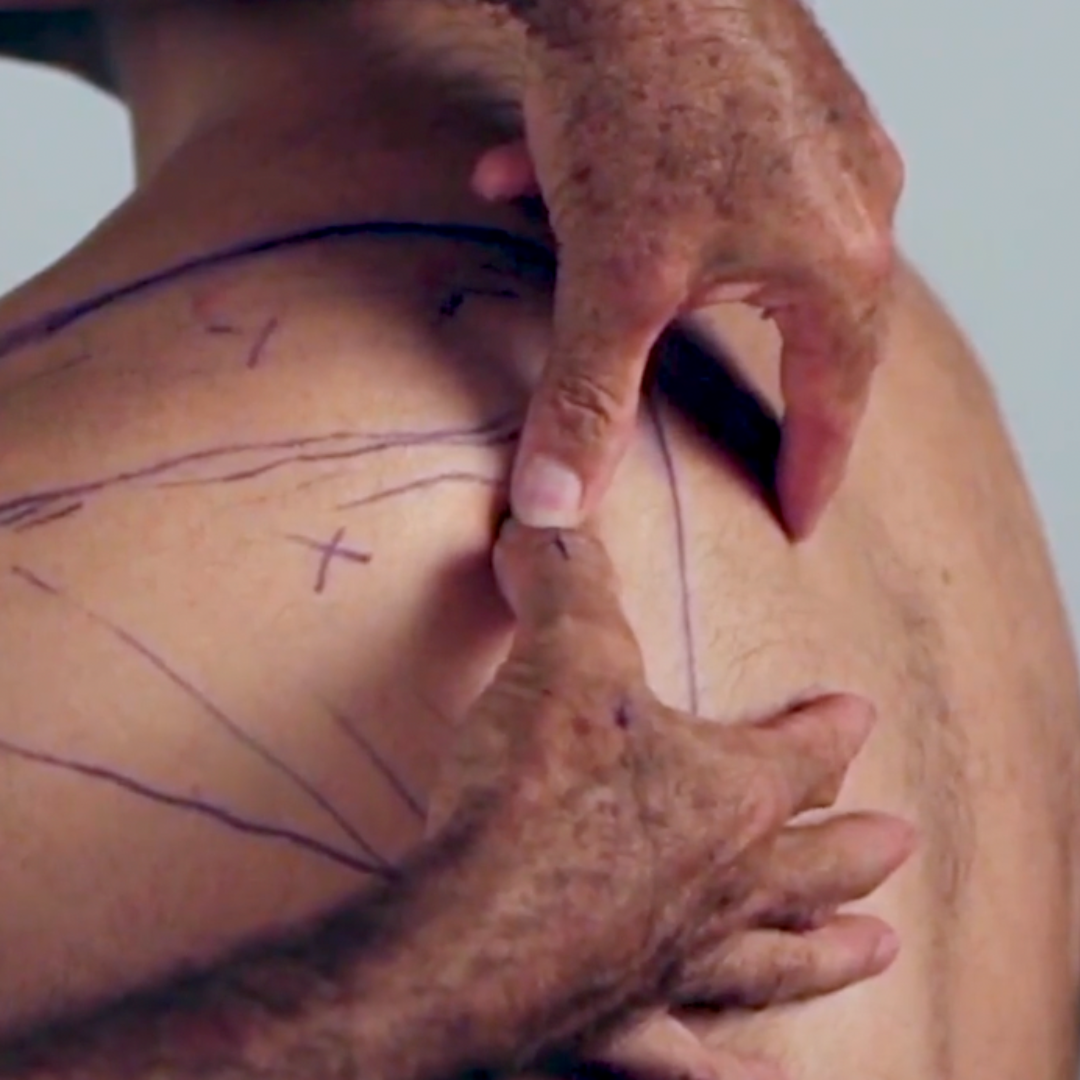
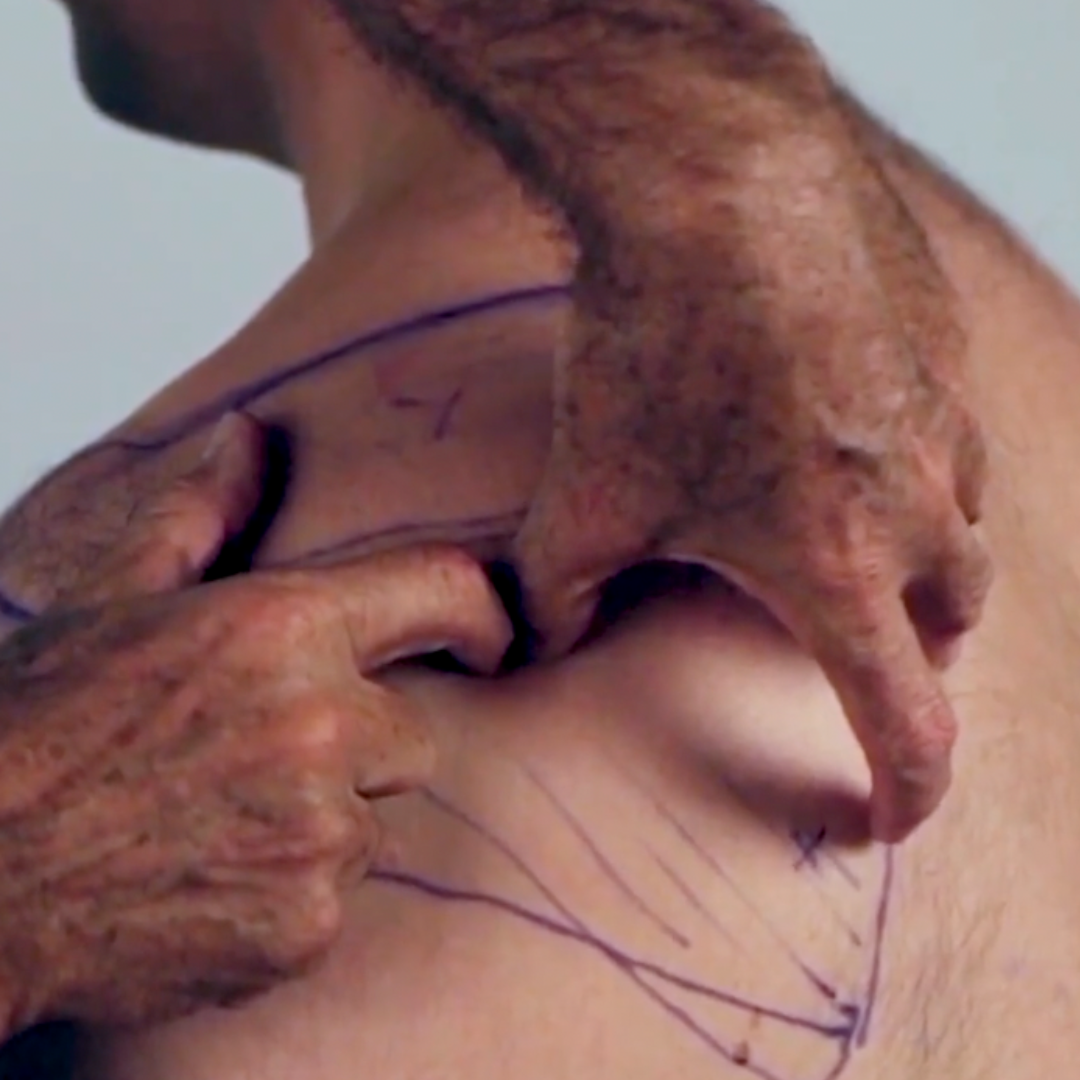
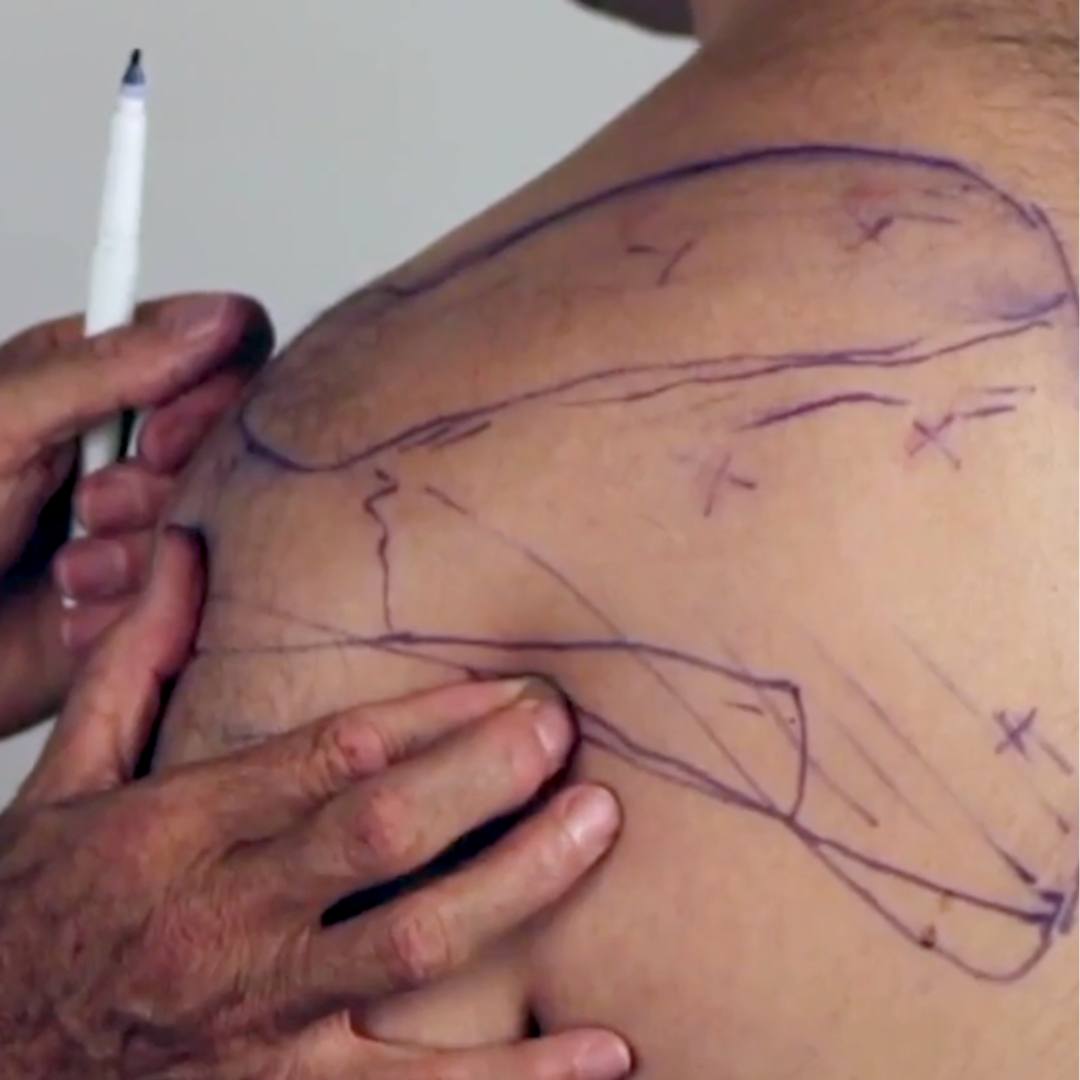
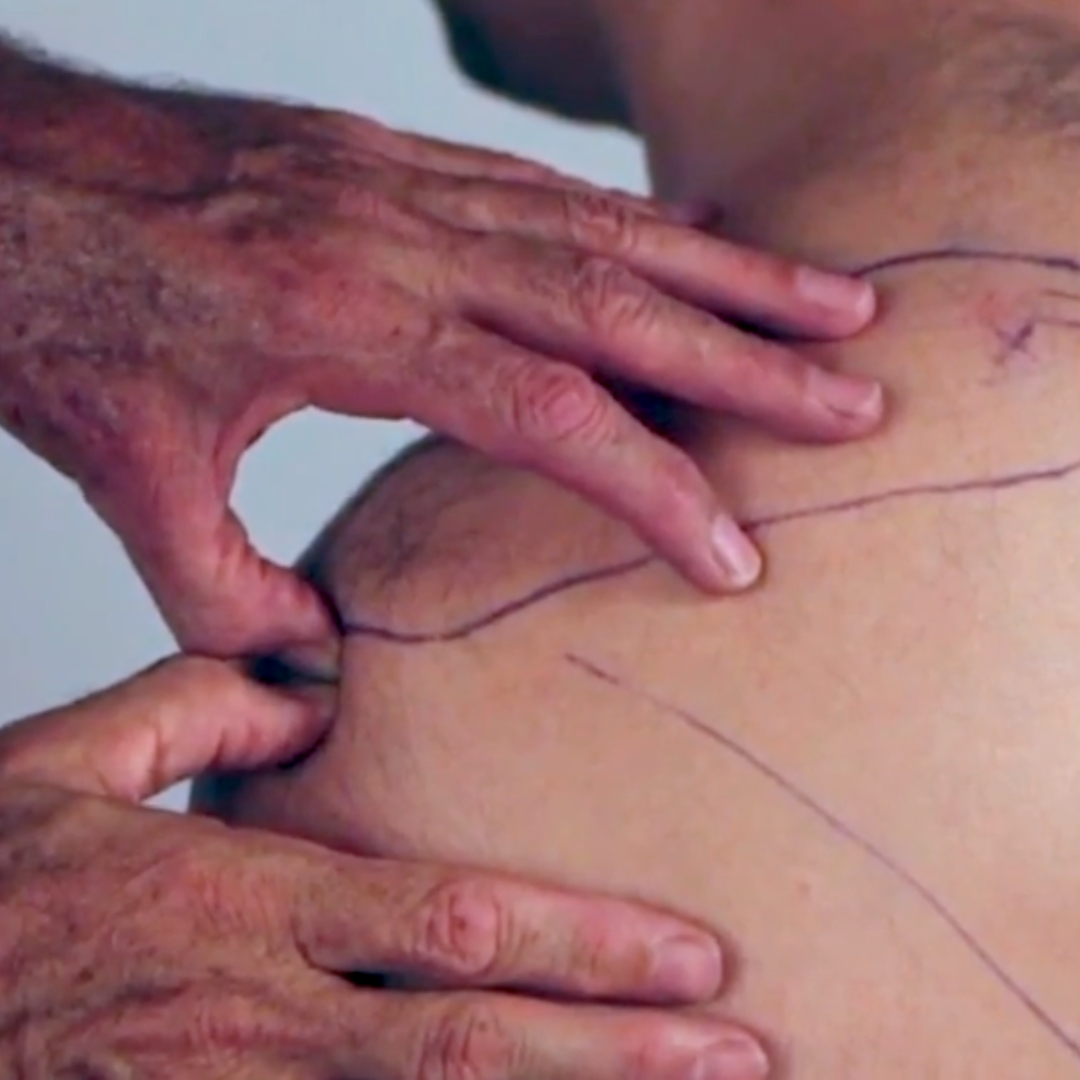
| Locating and Treating Rotator Cuff Trigger Points | Practical guidance for identifying and addressing trigger points in the rotator cuff region. |
| Manual Therapy Demonstrations | Step-by-step video instruction in hands-on techniques relevant to rotator cuff treatment. |
| Stretching, Heat, and Ice Applications | Supportive strategies for integrating stretching, heat, and ice within a treatment plan where appropriate. |
Who This Course Is For
This course is suitable for rehabilitation professionals, massage and manual therapists, physical therapists, physical therapist assistants, chiropractors, occupational therapists, occupational therapy assistants, nurses, athletic trainers, exercise professionals, and fitness professionals working within an appropriate scope of practice.
It is especially relevant for practitioners who work with shoulder pain, soft tissue dysfunction, sports-related shoulder presentations, restricted shoulder movement, or clients requiring supportive manual therapy approaches for the rotator cuff region.
About the Instructor
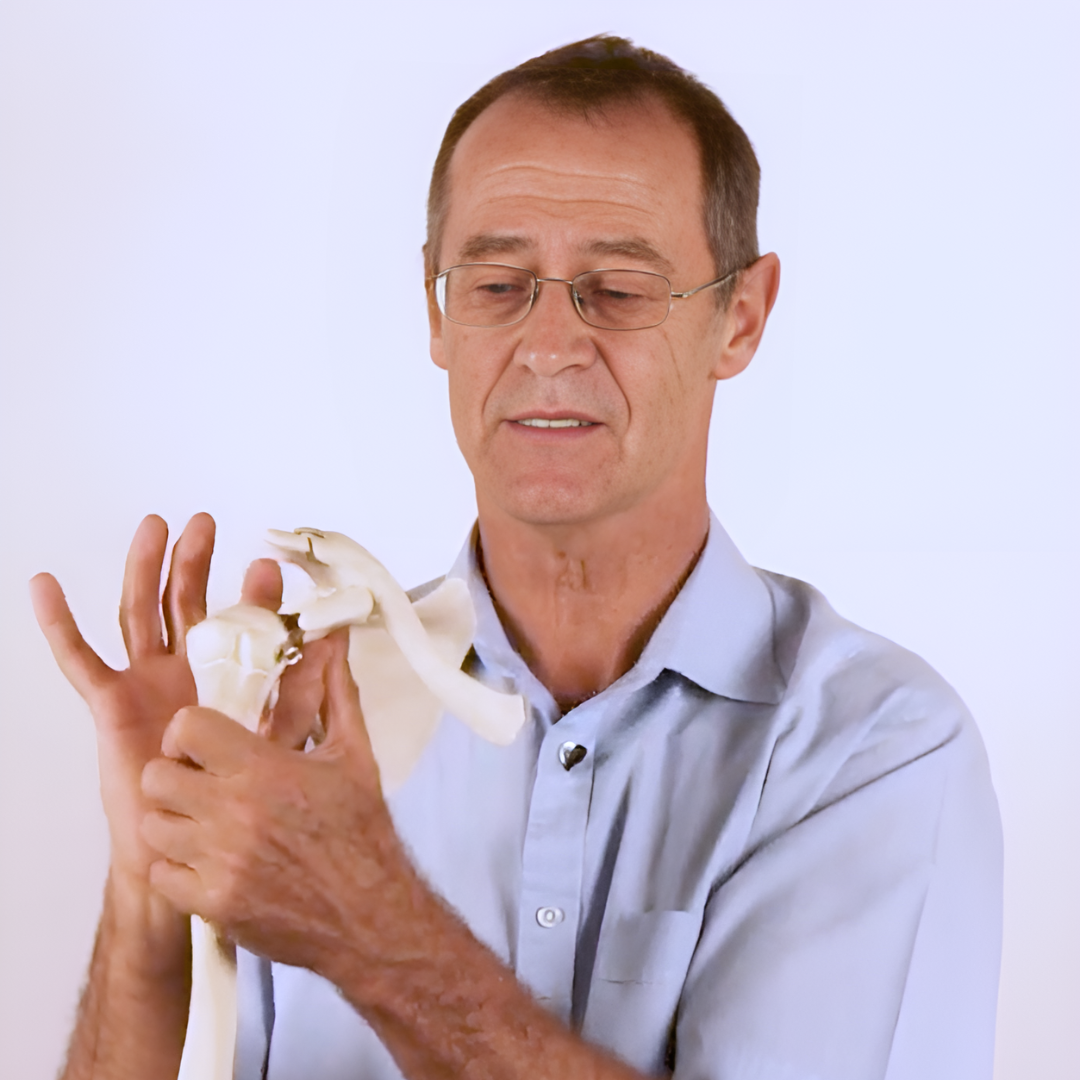
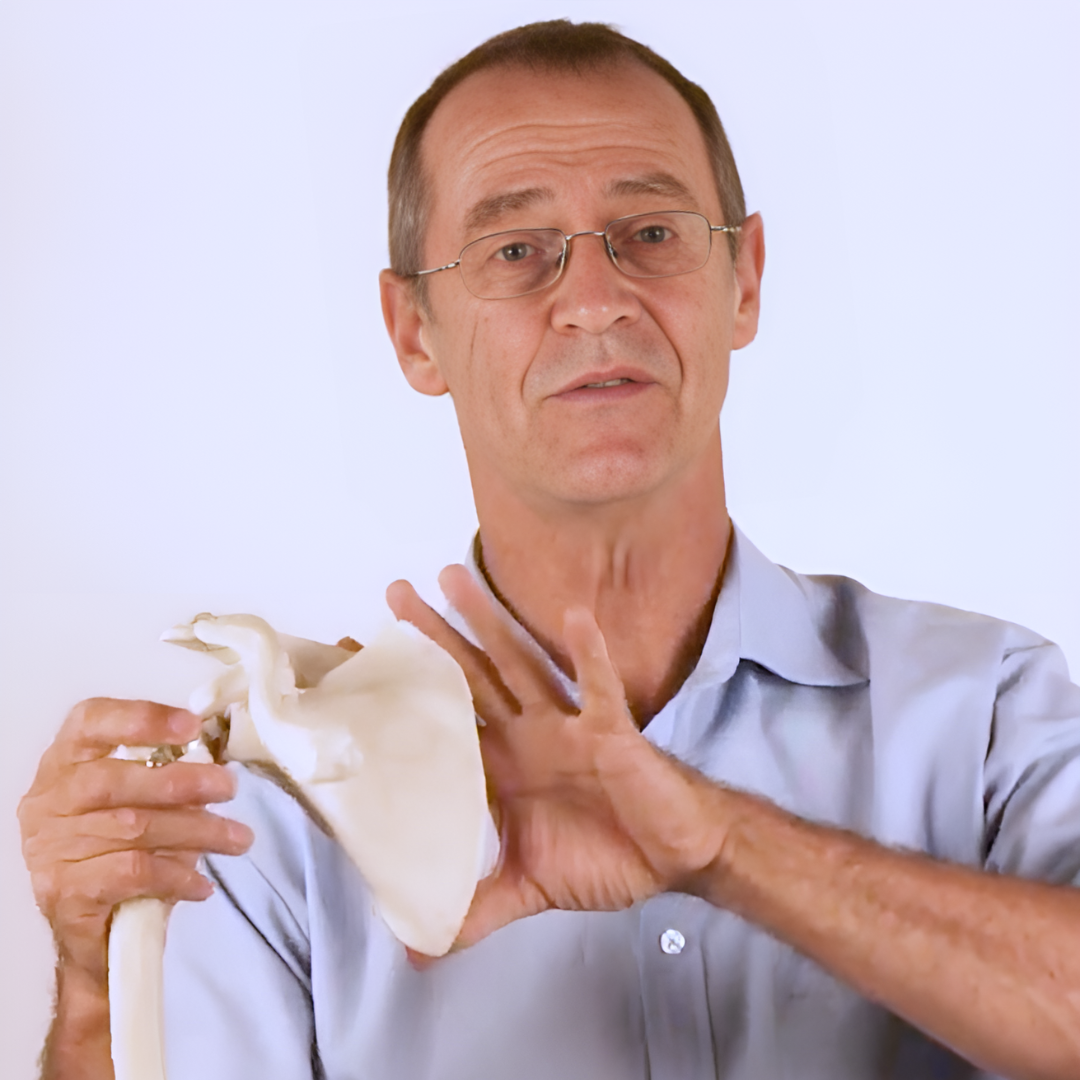
Dr. Jonathan Kuttner DPT is widely recognized for his work in trigger point therapy, pain education, and practical clinical training for manual and rehabilitation professionals.
His teaching style combines clear anatomical explanation with clinically applicable treatment strategies, helping practitioners understand not only where pain may arise, but how soft tissue dysfunction and trigger points may influence movement, comfort, and function.
In this course, Dr. Kuttner brings his expertise to the rotator cuff, guiding learners through the anatomy, trigger point considerations, and treatment approaches relevant to this important shoulder region.
Included With This Course
| Included | Details |
|---|---|
| CE/CPD Hours | 4 Hours CE/CPD |
| Course Text | Fully illustrated 160-page course text. |
| Companion Course | Additional content designed to reinforce clinical reasoning and practical integration |
| Lesson Quizzes | Knowledge checks designed to reinforce learning throughout the course |
| Video Classes | Online video classes with practical demonstrations. |
| Online Exam and Certification | Online multiple-choice exam and certificate issued upon successful completion. |
| Lifetime Access | Study online at your own pace and revisit the course materials whenever required. |
| Subtitles | English, French, German, and Spanish. |
CE Finder
This course has been approved for continuing education by numerous professional boards and associations worldwide. Scroll sideways to find your board or association.
Approvals Listed: 64
CE Broker Provider: #20-658154
4
4
4
4
4
4
4
4
4
4
1.6
0.75
4
4
4
4
2
4
4
4
4
4
4
4
4
4
4
4
4
4
4
4
4
4
4
4
4
4
4
4
4
4
4
4
4
4
4
4
4
4
4
4
4
4
4
4
4
4
4
4
4
4
4
4
Approval requirements can change. Please confirm acceptance with your own board, association, employer, or regulatory authority before registration.
Treating the Rotator Cuff
Professional Reviews & Feedback
The reviews below represent feedback provided by students and practitioners through Trustpilot, Google Reviews, and Judge.me.
“Dr. Kuttner presents the rotator cuff in a way that is detailed, practical, and immediately relevant to clinical work.”
“The breakdown of each rotator cuff muscle helped me understand shoulder dysfunction far more clearly than previous courses.”
“The trigger point discussions were particularly useful and tied directly into real-world treatment planning.”
“I appreciated how the course connected anatomy, assessment, and treatment rather than teaching them as separate topics.”
“The demonstrations were excellent. I picked up several practical techniques that I now use regularly.”
“Dr. Kuttner explains shoulder mechanics in a way that makes even complex concepts easy to follow.”
“This course improved my confidence working with clients presenting with rotator cuff pain and movement restrictions.”
“The clinical reasoning sections were outstanding and helped me think beyond symptoms alone.”
“A very thorough course that balances science, anatomy, and practical treatment approaches.”
“The explanations of supraspinatus, infraspinatus, teres minor, and subscapularis function were particularly strong.”
“I found the rehabilitation and stretching recommendations highly relevant to my client population.”
“The course provided a much deeper understanding of shoulder pain than I expected from a short CE program.”
“Dr. Kuttner's teaching style is engaging and clinically grounded. The material never felt overly theoretical.”
“I appreciated the attention given to assessment and differentiating between common shoulder presentations.”
“The trigger point content helped me connect referred pain patterns with rotator cuff dysfunction more effectively.”
“This course gave me a more structured approach to evaluating and treating shoulder complaints.”
“The practical demonstrations complemented the anatomy lessons perfectly.”
“A highly useful course for massage therapists and rehabilitation professionals working with shoulder injuries.”
“The combination of treatment techniques, stretching, and clinical insight made this one of my favourite shoulder courses.”
“Comprehensive, practical, and easy to apply. An excellent course for anyone treating rotator cuff disorders.”