


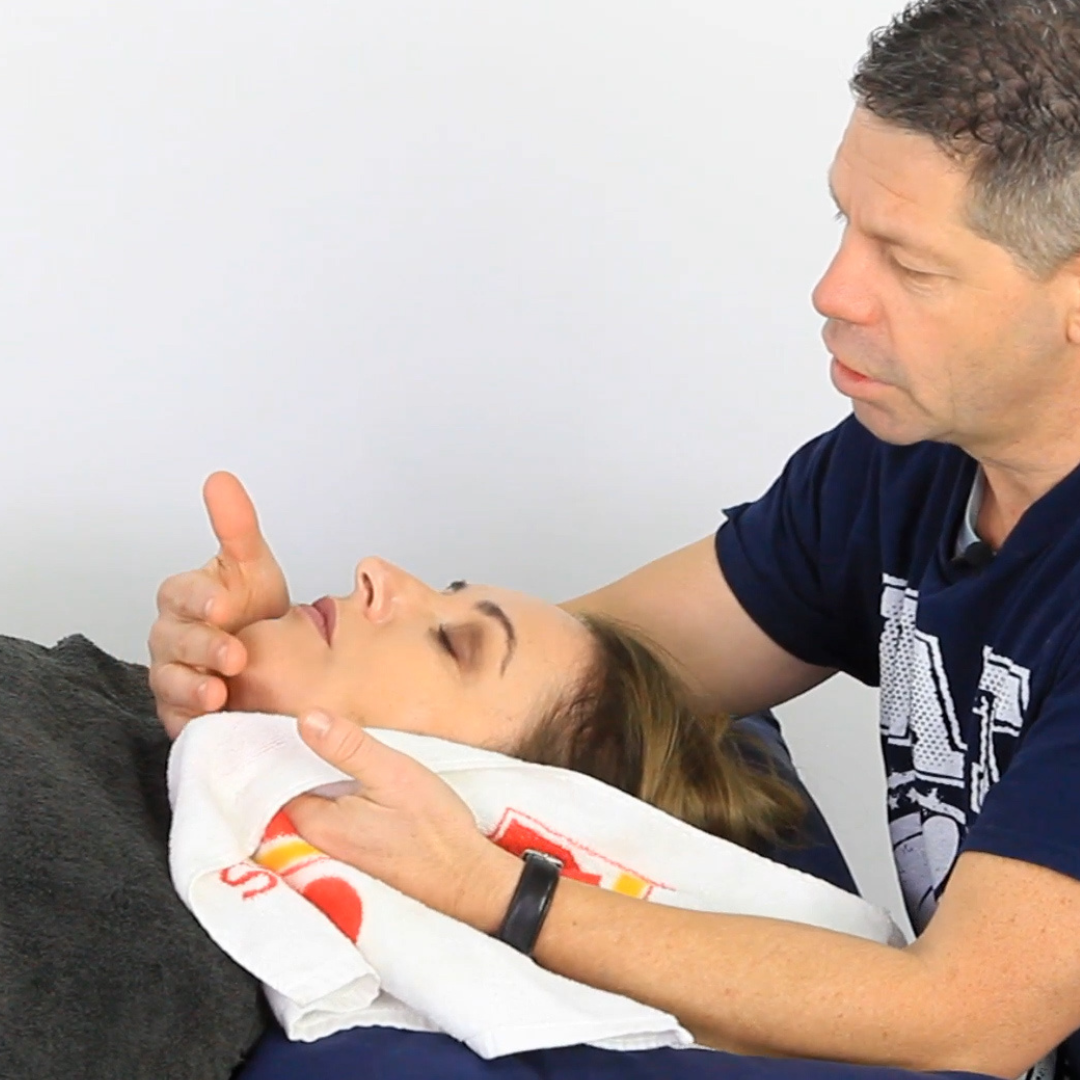
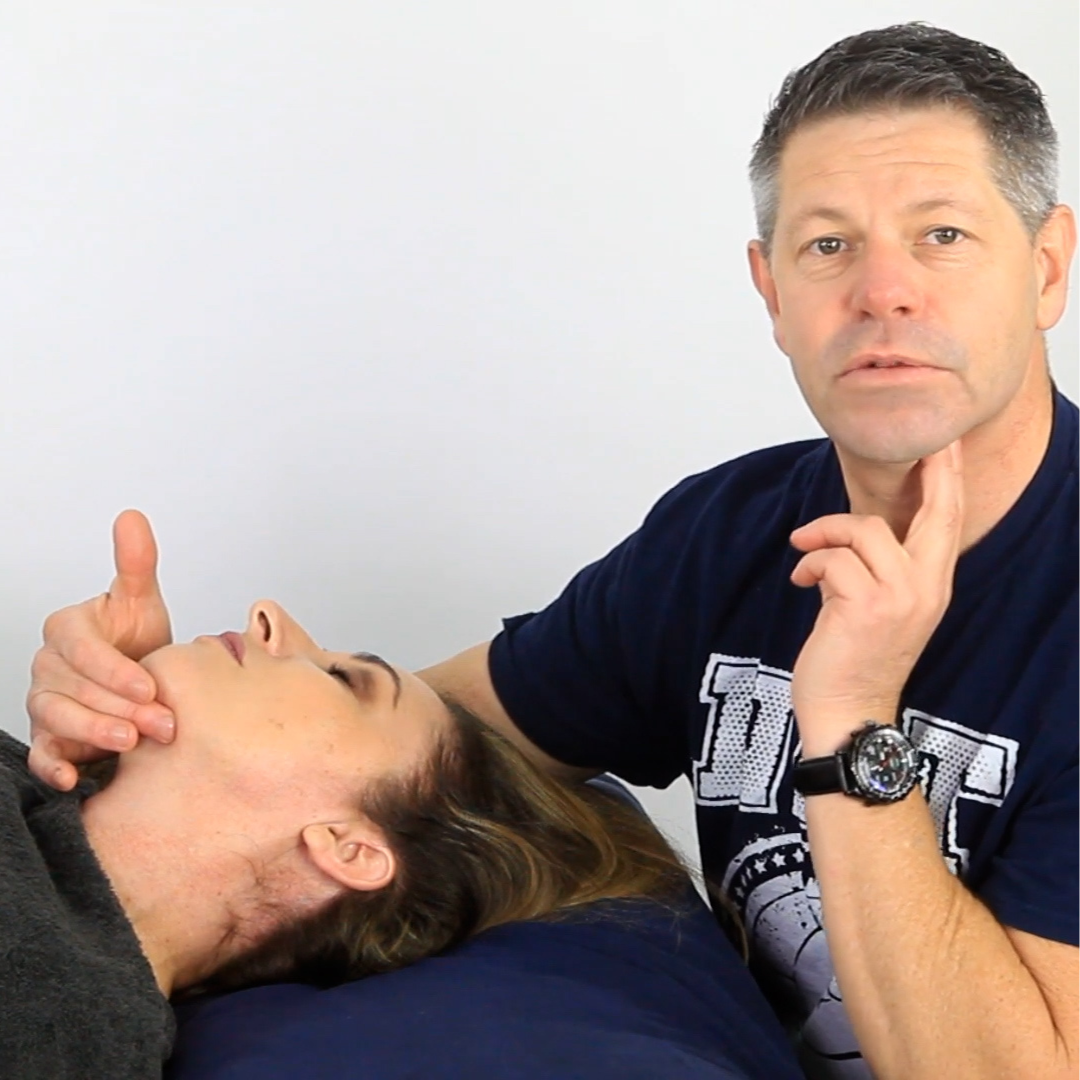
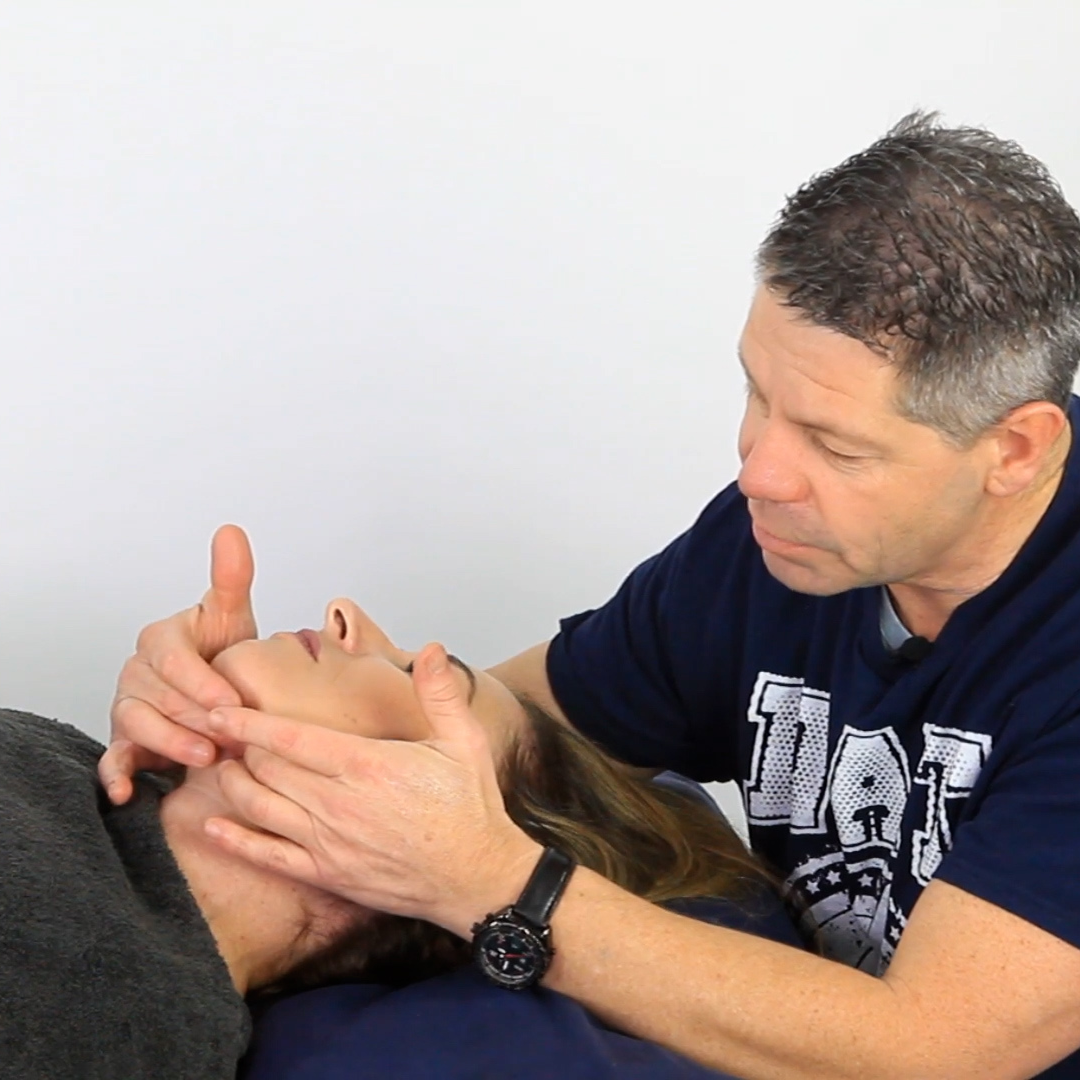
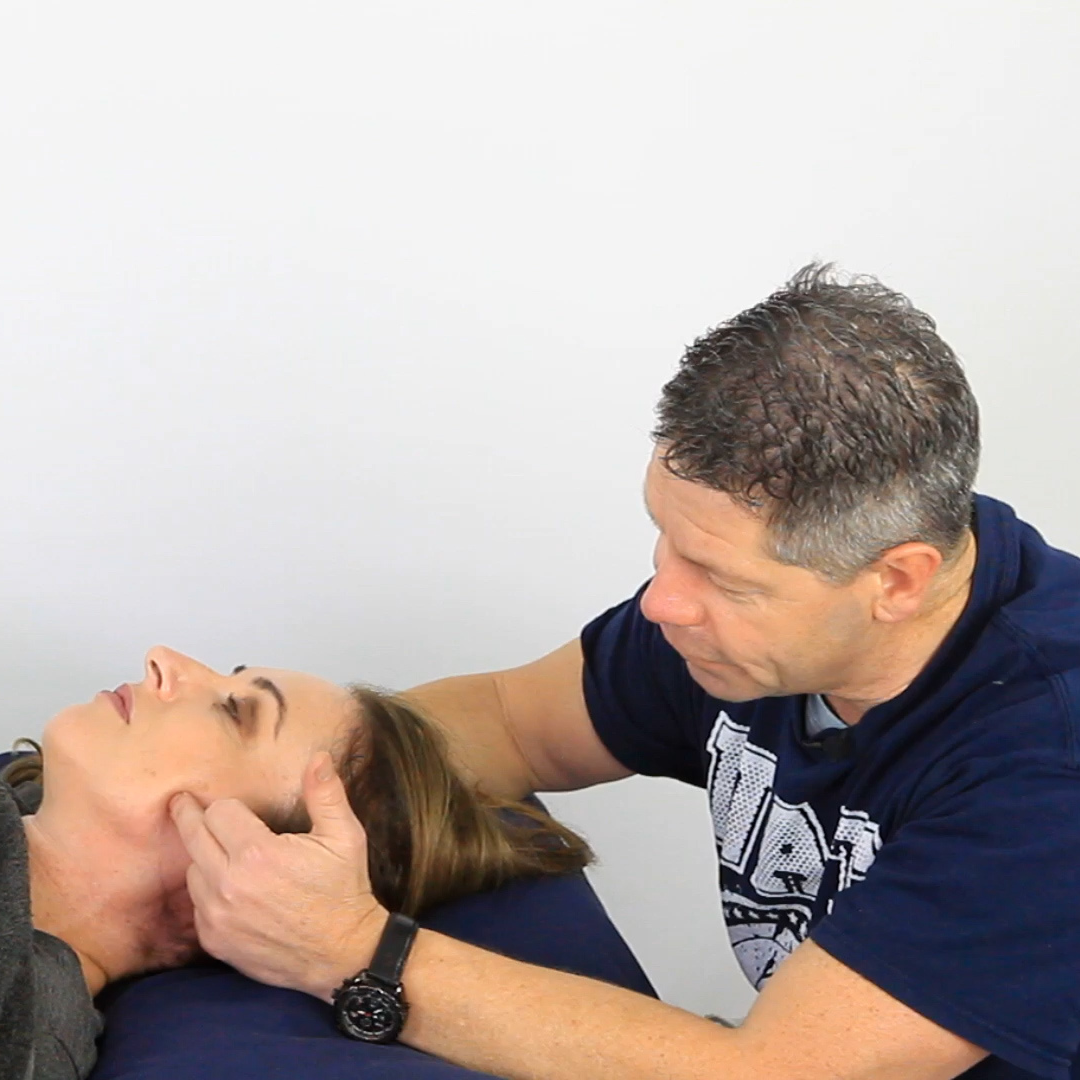
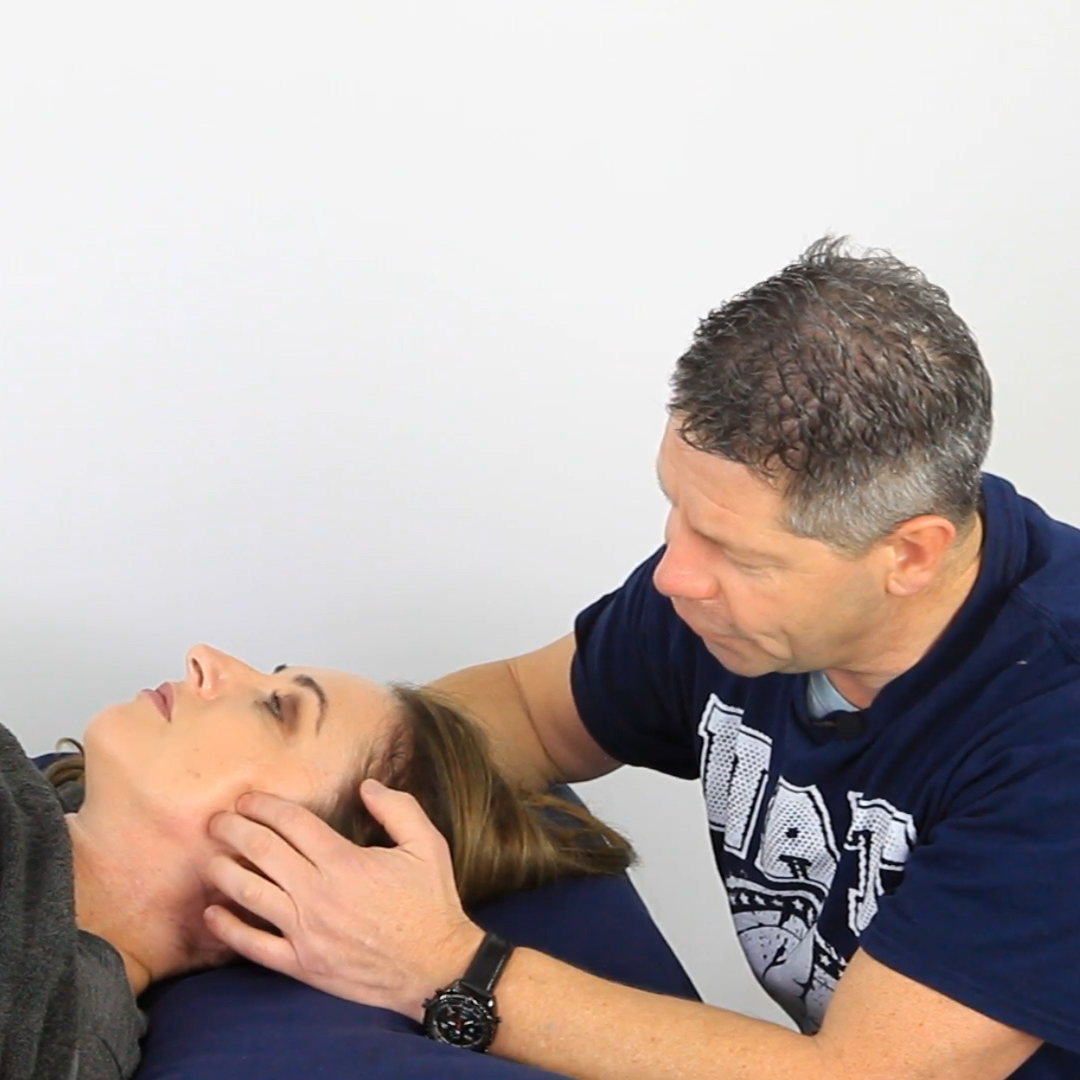
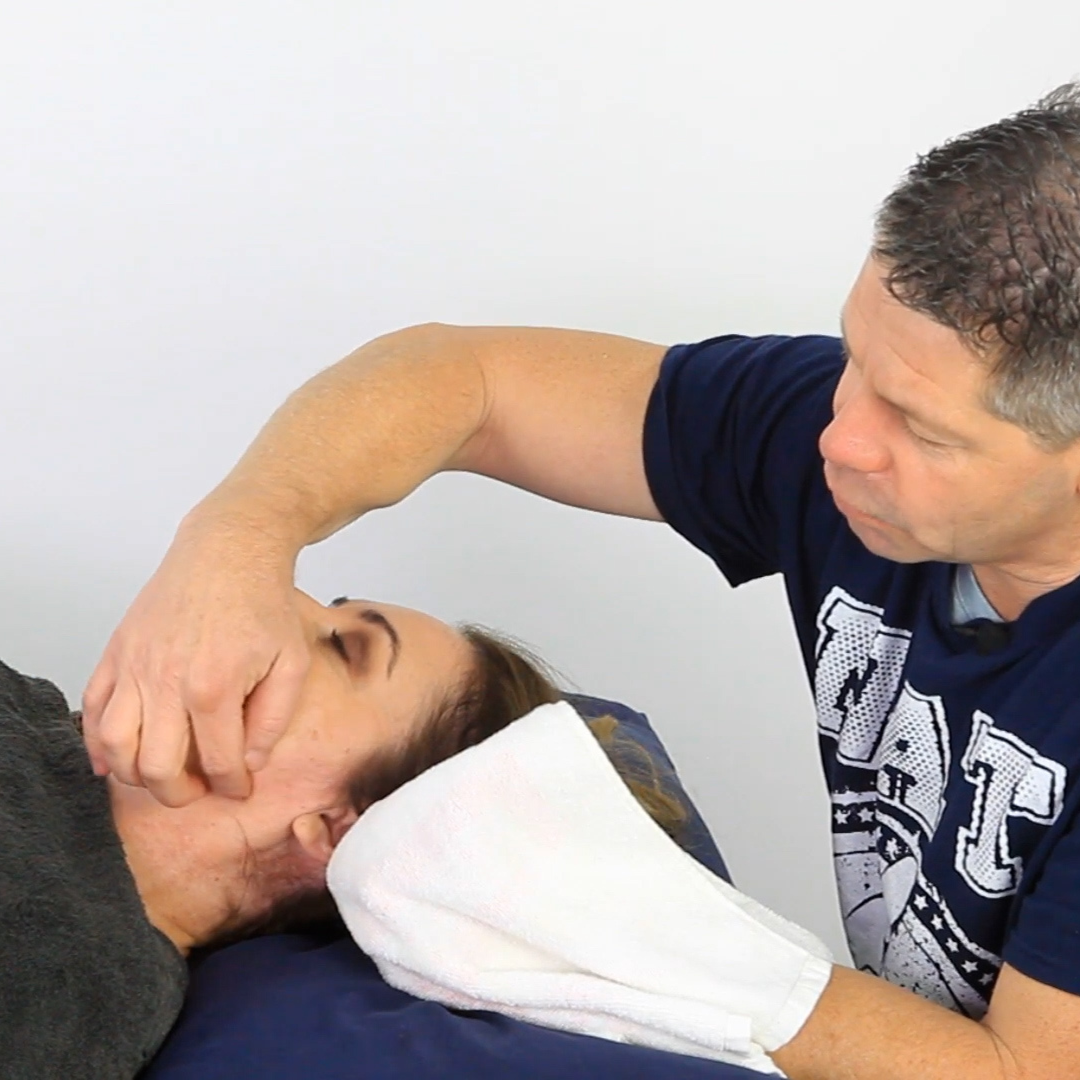
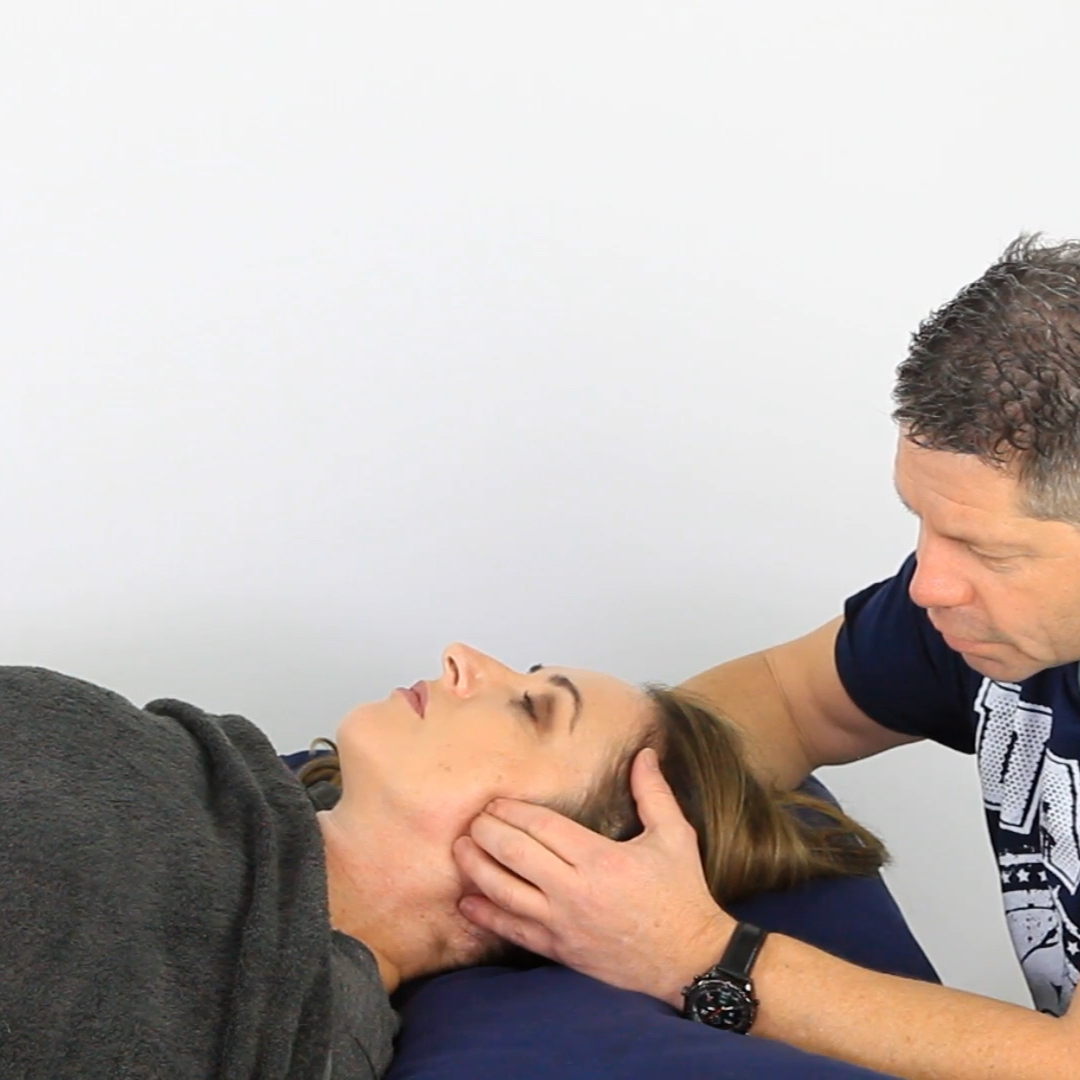
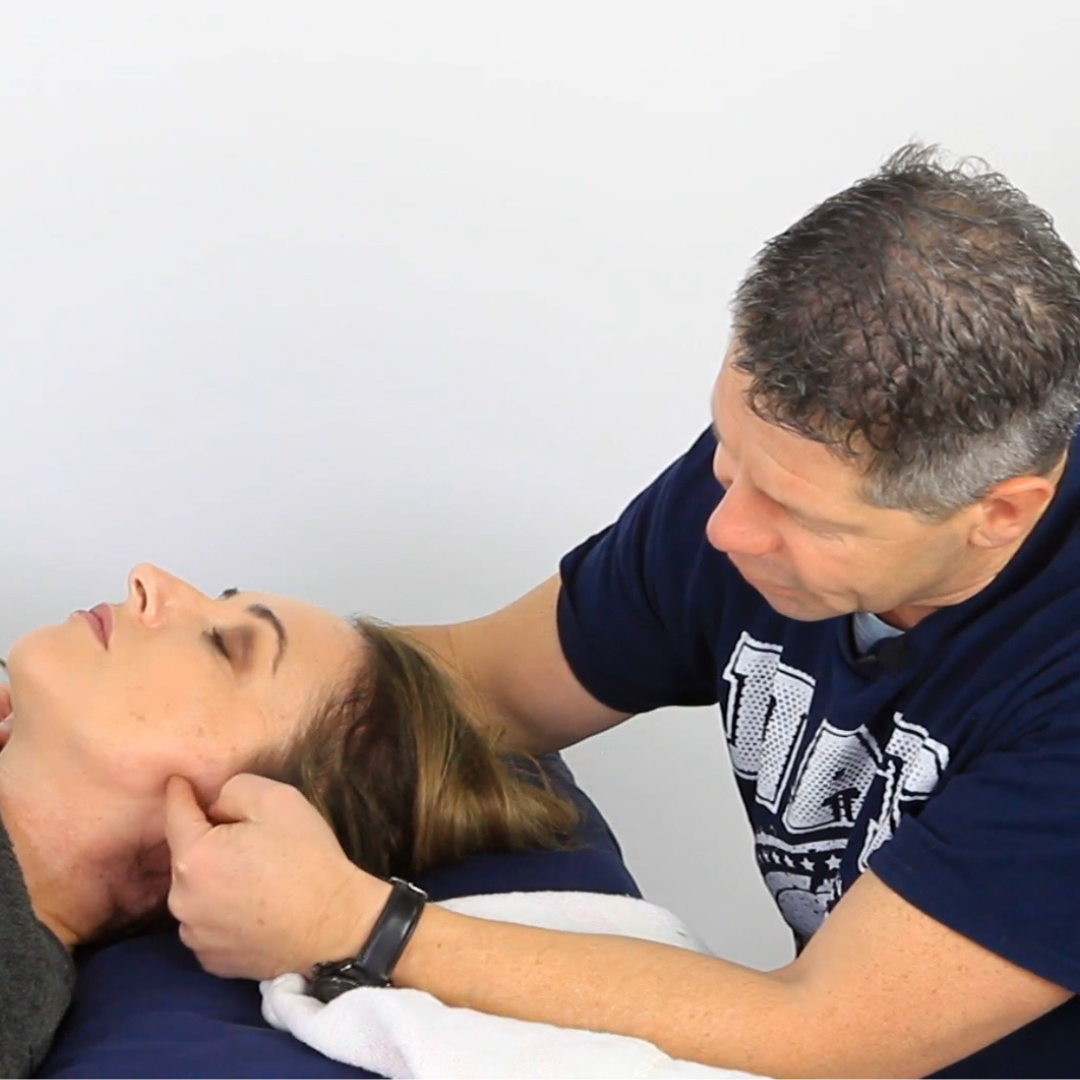
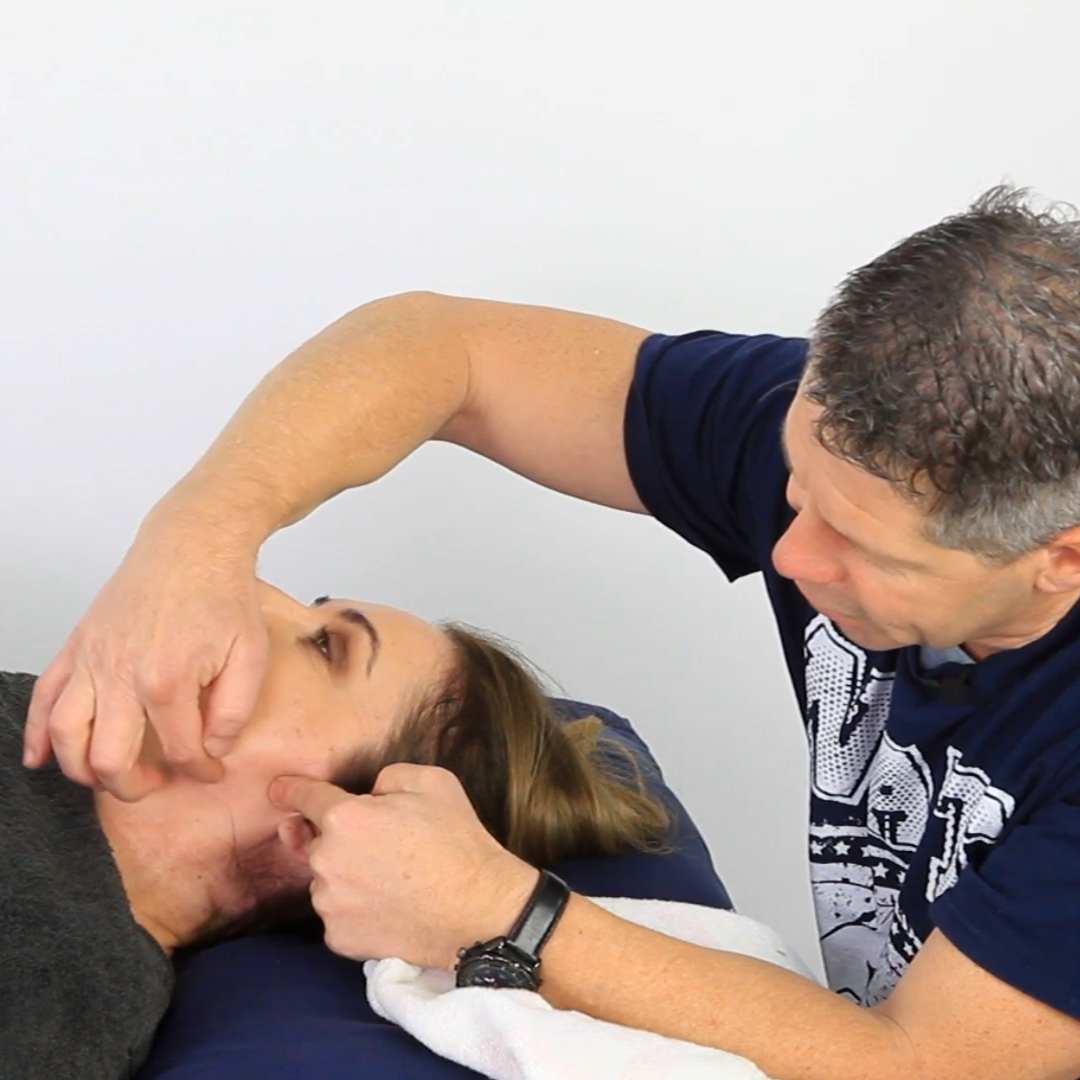
Treating TMJ Disorders (3 CEUs)
Treating TMJ Dysfunction
3 Hours CE/CPD | Online Course with Stuart Hinds
TMJ dysfunction can be complex, frustrating, and highly individual. Clients may present with jaw discomfort, clicking, restricted opening, facial tension, headache patterns, neck involvement, or a general sense of tightness and imbalance around the jaw and surrounding tissues.
Treating TMJ Dysfunction combines practical treatment demonstrations, anatomy education, and clinical reasoning to help therapists develop a more structured approach to one of the most challenging areas of manual therapy practice.
Designed specifically for massage therapists, manual therapists, physiotherapists, physical therapists, athletic trainers, and rehabilitation professionals, the course explores how the jaw, facial muscles, cervical region, posture, movement habits, and nervous system interactions may all influence a client’s presentation.
Course Overview
Across this 3-hour CE/CPD course, participants will explore the anatomy, biomechanics, assessment considerations, and manual therapy applications associated with temporomandibular joint dysfunction.
The course combines practical treatment demonstrations with anatomy-focused learning to help practitioners better understand the relationship between jaw mechanics, masticatory muscles, facial tissues, cervical structures, movement patterns, and symptom presentation.
Supported by a fully illustrated course workbook, lesson quizzes, online examination, and certificate of completion, the program provides a structured learning experience designed to strengthen both theoretical understanding and practical clinical application.
What You Will Learn
| Topic | Focus |
|---|---|
| TMJ Anatomy & Function | Understanding the key structures involved in jaw movement, dysfunction, and symptom referral patterns |
| Assessment & Clinical Reasoning | Observing jaw movement, tissue sensitivity, cervical involvement, and contributing factors |
| Practical Treatment Techniques | Hands-on approaches for TMJ-related soft tissues, facial muscles, and associated structures |
| Client Communication & Safety | Consent, positioning, pressure control, sensitivity, and professional boundaries |
| Treatment Integration | Applying TMJ treatment principles within a broader rehabilitation and manual therapy framework |
Course Content
The course combines anatomy education, practical treatment demonstrations, clinical reasoning, and patient-centred treatment principles to help practitioners better understand TMJ dysfunction and related presentations.
| Module | Focus |
|---|---|
| Understanding TMJ Dysfunction | Jaw mechanics, dysfunction patterns, symptom presentation, and contributing factors |
| Anatomy & Functional Relationships | Muscles of mastication, facial structures, cervical involvement, and movement considerations |
| Assessment Principles | Observation, palpation, movement assessment, and clinical reasoning strategies |
| Practical Treatment Applications | Step-by-step manual therapy approaches for TMJ-related soft tissue dysfunction |
| Clinical Integration | Developing structured treatment plans while maintaining client comfort and safety |
Who This Course Is For
This course is suitable for massage therapists, manual therapists, physiotherapists, physical therapists, athletic trainers, chiropractors, osteopaths, rehabilitation professionals, and other qualified healthcare practitioners who incorporate hands-on treatment into their practice.
It is especially valuable for professionals who regularly work with clients experiencing jaw pain, facial tension, headaches, cervical discomfort, postural strain, stress-related clenching, or movement restrictions affecting the temporomandibular region.
About Stuart Hinds
Stuart Hinds is an internationally respected soft tissue therapist and educator with extensive experience working in clinical, sporting, and performance environments.
Known for his practical teaching style and strong emphasis on clinical application, Stuart has educated therapists around the world in advanced soft tissue treatment approaches and rehabilitation-focused manual therapy.
His teaching combines detailed anatomical understanding with clear, structured treatment strategies that help practitioners confidently translate theory into effective clinical practice.
Included With This Course
| Included | Details |
|---|---|
| Video Classes | Practical treatment demonstrations and anatomy instruction presented by Stuart Hinds |
| Illustrated Course Workbook | Comprehensive workbook covering anatomy, assessment, clinical reasoning, and treatment concepts |
| Lesson Quizzes | Knowledge checks designed to reinforce learning throughout the course |
| Online Exam | Assessment included for course completion |
| Certificate | 3 Hours CE/CPD following successful completion |
| Lifetime Access | Study at your own pace and revisit the material whenever required |
CE Finder
This course has been approved for continuing education by numerous professional boards and associations worldwide. Scroll sideways to find your board or association.
Approvals Listed: 64
CE Broker Provider: #20-757944
3
3
3
3
3
3
3
3
3
3
1.2
1.5
3
3
3
3
1.5
3
3
3
3
3
3
3
3
3
3
3
3
3
3
3
3
3
3
3
3
3
3
3
3
3
3
3
3
3
3
3
3
3
3
3
3
3
3
3
3
3
3
3
3
3
3
3
Approval requirements can change. Please confirm acceptance with your own board, association, employer, or regulatory authority before registration.
Treating TMJ Disorders
Professional Reviews & Feedback
The reviews below represent feedback provided by students and practitioners through Trustpilot, Google Reviews, and Judge.me.
“Stuart Hinds explains TMJ assessment and treatment in a clear, practical way that immediately made sense for my work.”
“The course helped me understand how jaw pain connects with the neck, head, posture, and surrounding soft tissues.”
“I appreciated the careful approach to a sensitive area. The treatment demonstrations were precise and easy to follow.”
“A very useful course for therapists who see clients with jaw tension, headaches, and upper neck discomfort.”
“Stuart presents the TMJ material with confidence and clinical clarity. The course felt practical from start to finish.”
“The explanations around muscles of mastication and referred symptoms were especially helpful.”
“This course gave me a much better structure for working around the jaw without feeling uncertain or overly cautious.”
“The assessment guidance helped me recognise when TMJ-related symptoms may need referral or collaborative care.”
“I found the practical work around the masseter, temporalis, and cervical region very relevant to my clients.”
“The course connected jaw mechanics with broader movement and soft tissue patterns in a way that was easy to understand.”
“Stuart’s teaching helped me use more specific language when explaining TMJ issues to clients.”
“The course gave me practical treatment ideas while still respecting the complexity of TMJ disorders.”
“I liked the balance between anatomy, assessment, and treatment technique. Nothing felt like filler.”
“The demonstrations were detailed enough to build confidence without overcomplicating the treatment process.”
“This course helped me understand why TMJ complaints often overlap with headaches and neck tension.”
“The content improved how I screen, communicate, and plan treatment for clients with jaw-related symptoms.”
“A practical and well-organised course that gave me more confidence treating TMJ-related soft tissue patterns.”
“The focus on client comfort, pressure control, and sensitive communication was especially valuable.”
“The course helped me take a more structured and professional approach to jaw, neck, and headache presentations.”
“Stuart Hinds makes TMJ work feel approachable while still giving the subject the respect and detail it deserves.”