


Functional Anatomy of the Pelvis and Sacroiliac Joint (6 hrs)
A Holistic View of the Pelvic Floor
6 Hours CE/CPD | Online Course with Sonja Forster PT
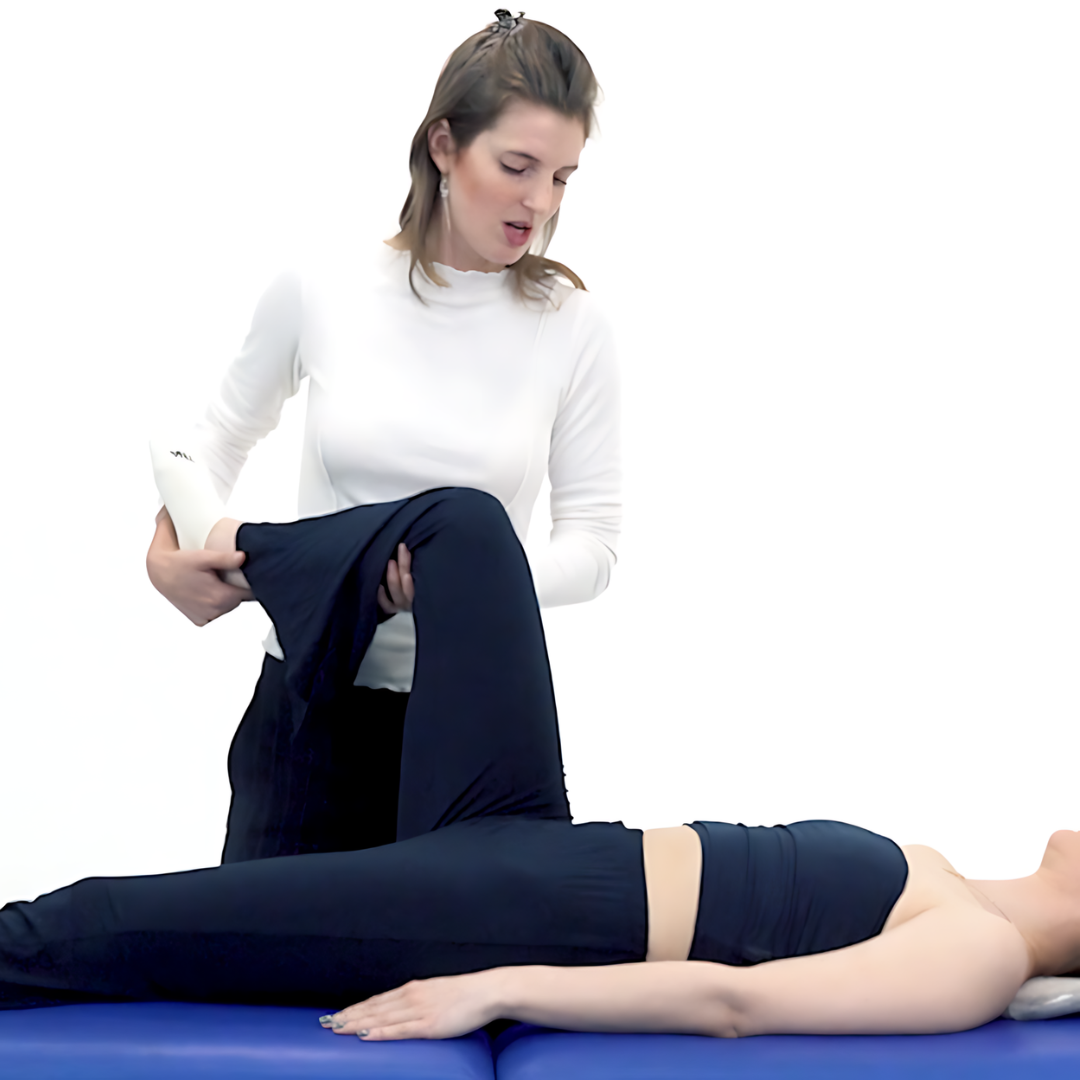
A practical and professionally focused online course exploring pelvic floor anatomy, function, dysfunction, and rehabilitation through a holistic women’s health perspective.
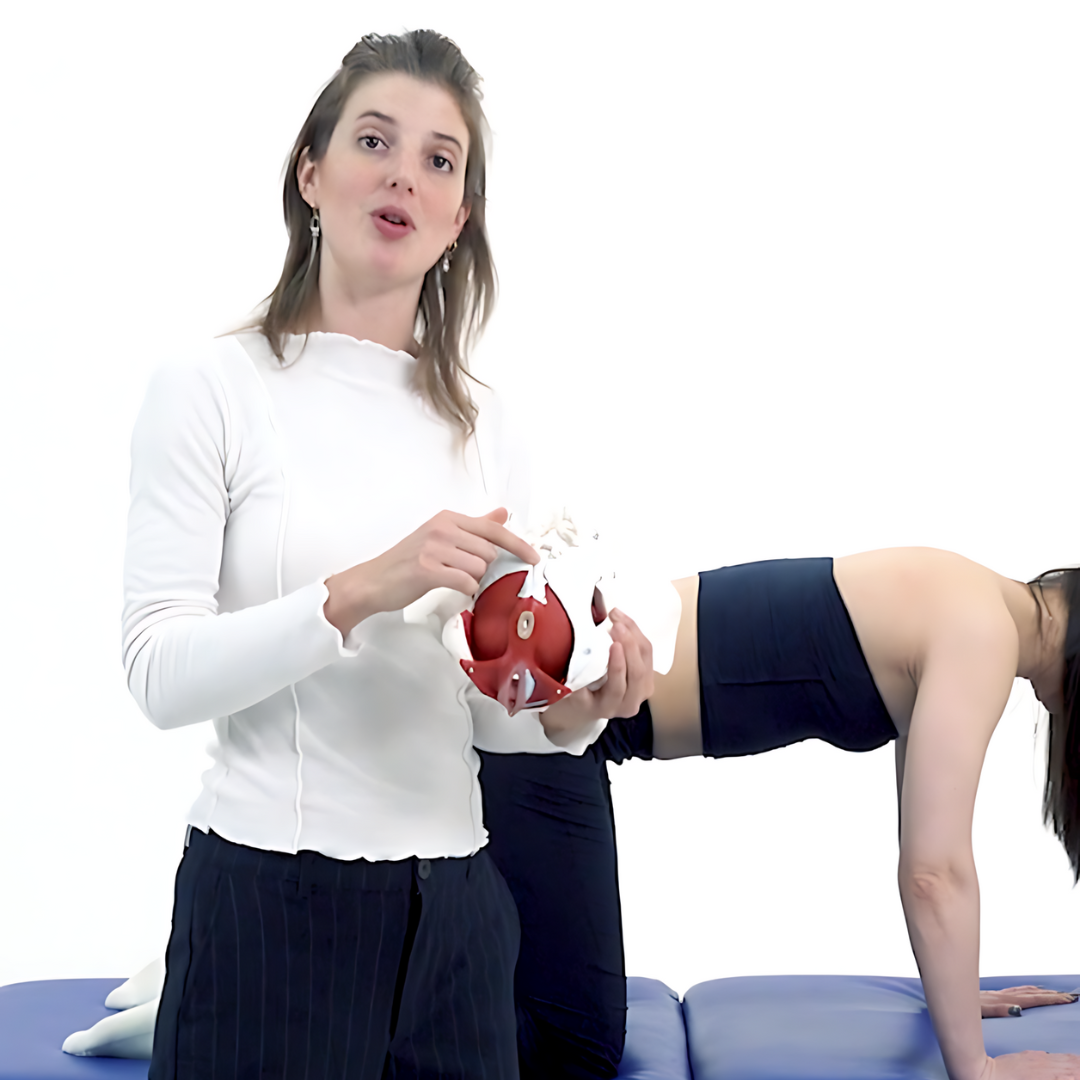
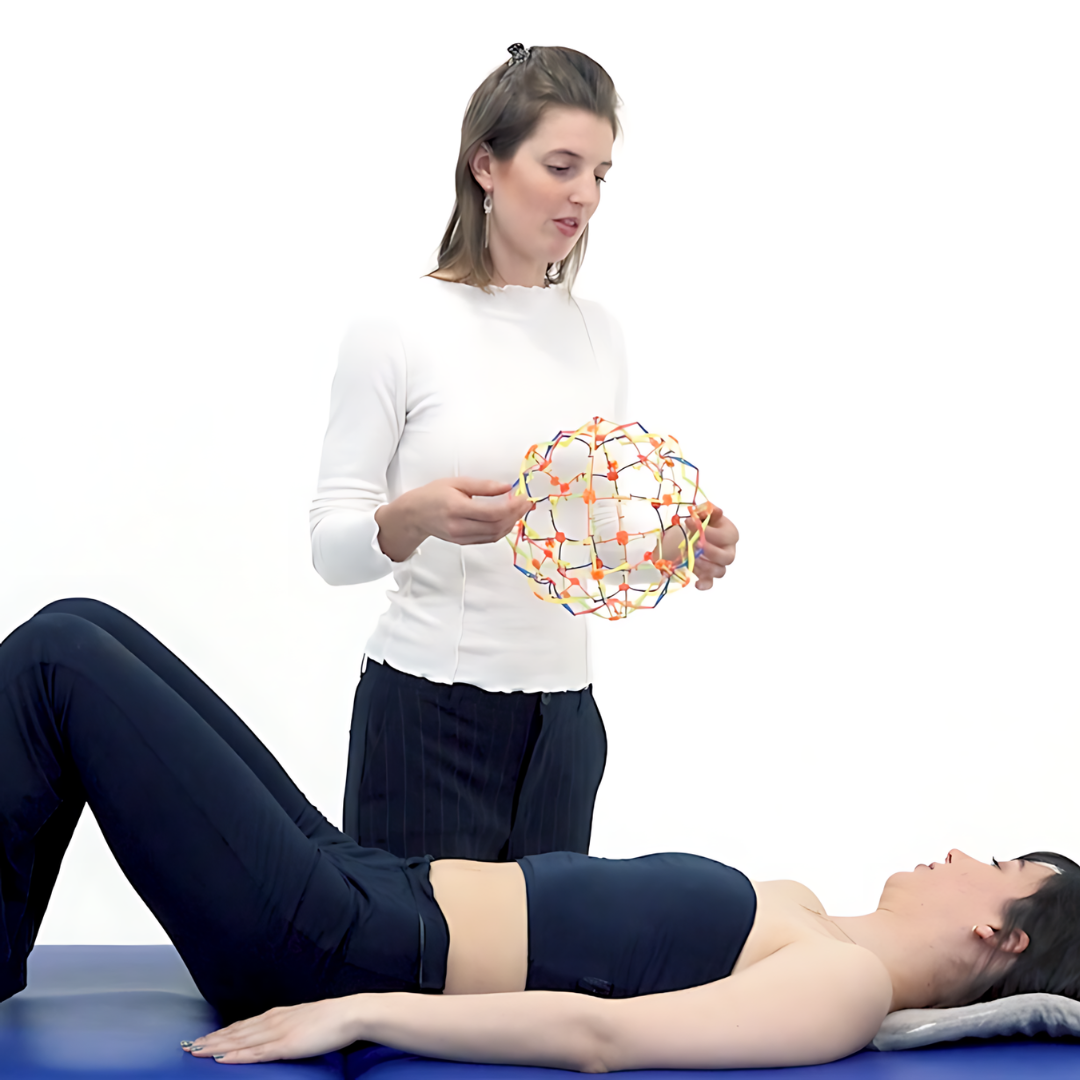
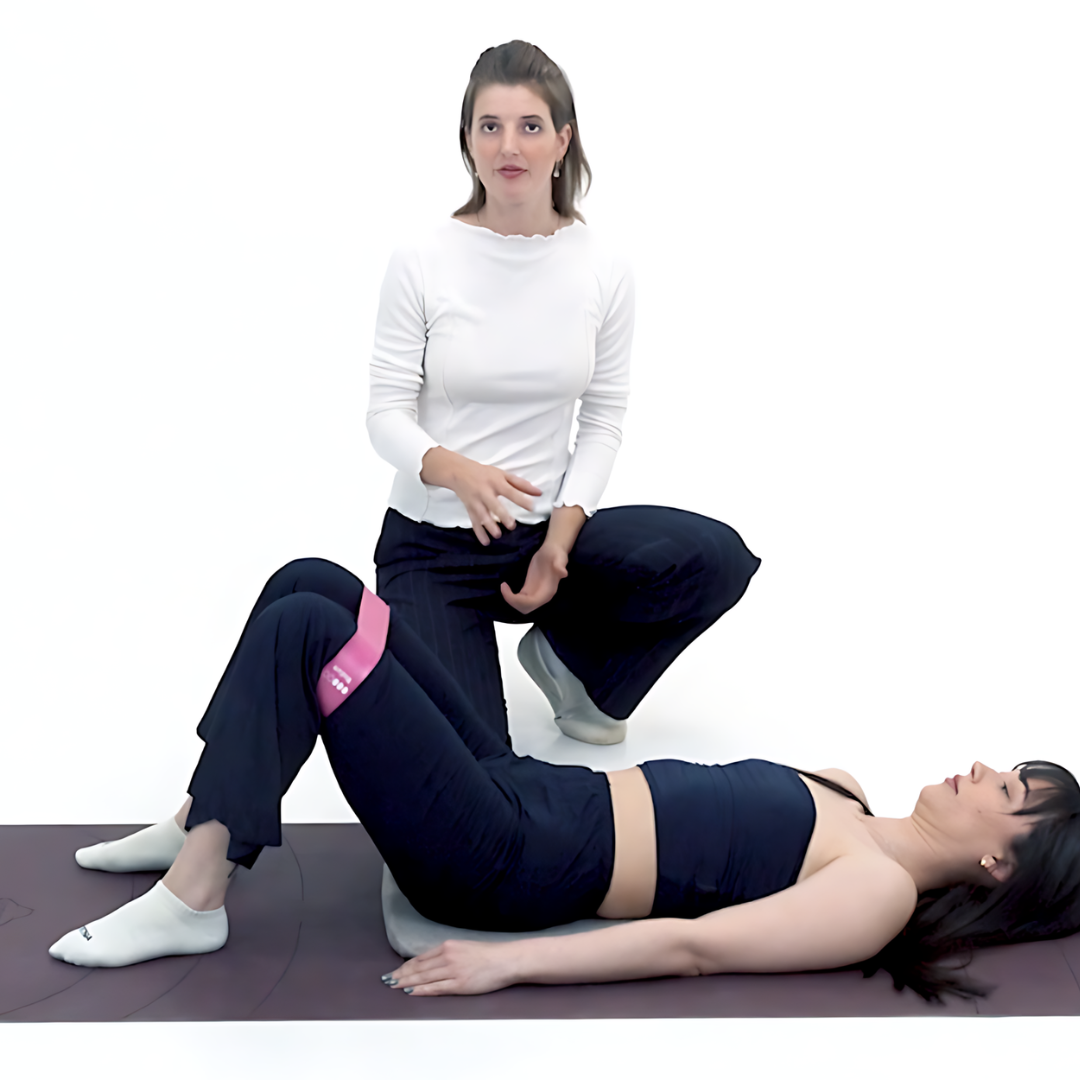
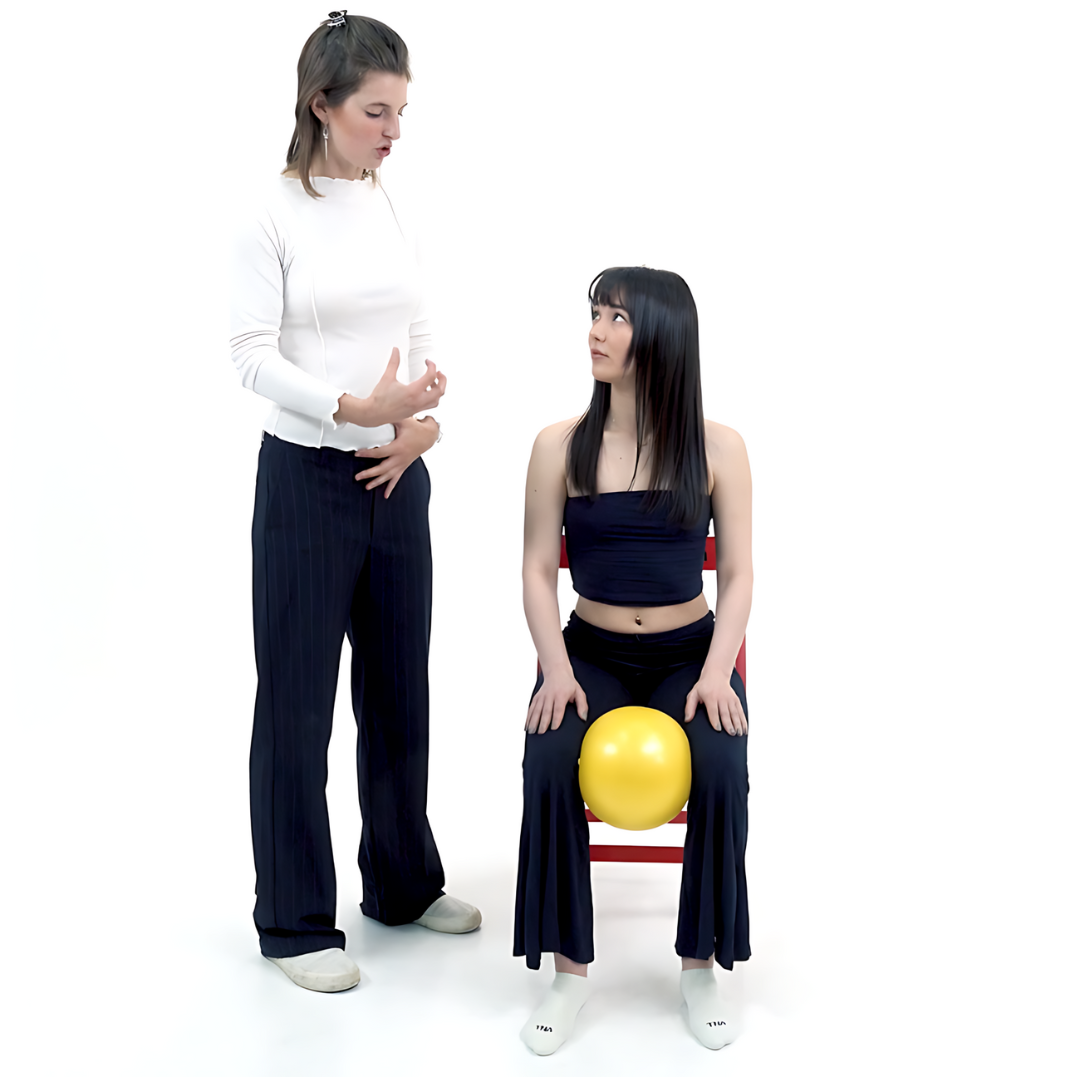
A Holistic View of the Pelvic Floor is presented by physiotherapist, certified yoga teacher, and women’s health advocate Sonja Forster. The course is designed to help healthcare, rehabilitation, and fitness professionals develop a more confident and informed understanding of the pelvic floor and its relationship to movement, function, continence, core control, posture, and women’s health.
With over 4 hours of expert video instruction and a fully illustrated 135-page workbook, this course provides a clear and practical foundation for professionals who wish to broaden their understanding of pelvic floor health and better support the needs of female clients and patients.
Course Overview
This online course provides an in-depth introduction to the pelvic floor from a holistic and clinically relevant perspective. The material is especially focused on women’s health and is designed to support professionals who work with movement, rehabilitation, bodywork, fitness, and functional recovery.
The course explores pelvic floor anatomy and function, common patterns of dysfunction, the relationship between the pelvic floor and the wider core system, and practical considerations for supporting women experiencing pelvic floor-related concerns.
Sonja Forster brings a thoughtful and compassionate teaching style to this subject, combining physiotherapy knowledge, movement awareness, yoga-informed understanding, and a strong commitment to women’s preventive healthcare.
What You Will Learn
| Topic | Clinical Focus |
|---|---|
| Pelvic Floor Anatomy | Understanding the structure, support role, and functional relationships of the pelvic floor. |
| Pelvic Floor Function | Exploring continence, posture, breathing, movement, core integration, and functional support. |
| Pelvic Floor Dysfunction | Recognizing common dysfunction patterns and their potential impact on movement and wellbeing. |
| Holistic Women’s Health | Understanding the pelvic floor within a wider rehabilitation and preventive healthcare framework. |
| Professional Application | Applying pelvic floor knowledge more confidently within professional scope of practice. |
Course Content / Modules
The course is structured to provide professionals with a practical and clinically relevant understanding of pelvic floor anatomy, function, dysfunction, rehabilitation, and women’s health considerations.
| Module Area | Focus |
|---|---|
| Pelvic Floor Anatomy and Function | Understanding structure, support systems, continence, and functional relationships. |
| Core and Pelvic Integration | Exploring the relationship between breathing, posture, movement, and core stability. |
| Common Dysfunction Patterns | Recognizing signs, symptoms, and functional implications of pelvic floor dysfunction. |
| Women’s Health and Preventive Care | Applying a broader and more supportive approach to women’s rehabilitation and wellbeing. |
| Professional Clinical Application | Integrating pelvic floor awareness into rehabilitation and movement-based practice. |
Who This Course Is For
This course is suitable for rehabilitation professionals, massage and manual therapists, physical therapists, PTA’s, chiropractors and Doctors of Chiropractic, occupational therapists, OTA’s, nurses, athletic trainers, exercise professionals, fitness professionals, and other qualified practitioners working with movement, rehabilitation, women’s health, and body-based care.
It is especially relevant for professionals who wish to deepen their understanding of pelvic floor function and improve their ability to support female clients and patients with greater confidence, sensitivity, and professional awareness.
About the Instructor
Sonja Forster PT is a physiotherapist and certified yoga teacher with a specialist focus on core and pelvic floor dysfunction and rehabilitation.
Based in Munich, Germany, Sonja operates a private physiotherapy practice where she works extensively with orthopedic pain, movement dysfunction, women’s health, and pelvic floor rehabilitation.
Her teaching combines physiotherapy knowledge, movement awareness, rehabilitation principles, and a strong commitment to preventive healthcare and women’s wellbeing.
Included With This Course
| Included | Details |
|---|---|
| CE/CPD Hours | 6 Hours CE/CPD |
| Video Classes | Over 4 hours of expert online video instruction presented by Sonja Forster PT. |
| Course Workbook | Fully illustrated 135-page workbook supporting the course material. |
| Online Exam and Certification | Online multiple-choice exam and certificate issued upon successful completion. |
| Lifetime Access | Study anytime online and revisit the course materials whenever required. |
| Subtitles | English, French, German, and Spanish subtitles included. |
CE Finder
This course has been approved for continuing education by numerous professional boards and associations worldwide. Scroll sideways to find your board or association.
Approvals Listed: 64
CE Broker Provider: #20-658138
6
6
6
6
6
6
6
6
6
6
2.4
6
6
6
6
6
3
6
6
6
6
6
6
6
6
6
6
6
6
6
6
6
6
6
6
6
6
6
6
6
6
6
6
6
6
6
6
6
6
6
6
6
6
6
6
6
6
6
6
6
6
6
6
6
Approval requirements can change. Please confirm acceptance with your own board, association, employer, or regulatory authority before registration.
A Holistic View of the Pelvic Floor
Professional Reviews & Feedback
The reviews below represent feedback provided by students and practitioners through Trustpilot, Google Reviews, and Judge.me.
“This course gave me a much clearer understanding of the relationship between the pelvis, SI joint, and pelvic floor function.”
“The functional anatomy was explained in a way that made clinical sense. Very useful for therapists working with pelvic and low back issues.”
“Excellent course. It helped me connect breathing, posture, pelvic mechanics, and soft tissue work in a much more practical way.”
“The SI joint material was especially helpful. I feel more confident assessing how pelvic restrictions may influence movement and discomfort.”
“A thoughtful and well-structured course. The anatomy was detailed without becoming overwhelming.”
“The course gave me a better framework for understanding pelvic balance and how the surrounding muscles contribute to function.”
“I appreciated the holistic approach. It was not just about isolated muscles, but about how the pelvis works as part of the whole body.”
“Very relevant to my practice. The explanations around the pelvic floor and breath mechanics were particularly useful.”
“This course improved my understanding of how pelvic mechanics can influence hip, low back, and lower limb presentations.”
“The material was clear, respectful, and clinically useful. A strong course for therapists wanting to understand the pelvis more deeply.”
“The course helped me better explain pelvic and SI joint function to clients in simple, professional language.”
“I found the functional anatomy sections very strong. The information was practical and directly relevant to rehabilitation work.”
“A very helpful course for understanding how the pelvic floor interacts with posture, core control, and movement.”
“The teaching gave me a better appreciation of the SI joint and how small changes in mobility can affect the whole system.”
“The course was professional, well paced, and easy to follow. It has already helped me think differently about pelvic-related complaints.”
“A solid continuing education course with a good balance of anatomy, function, and clinical application.”
“The pelvis can be a confusing area to study, but this course made the concepts much easier to understand.”
“I appreciated how the course connected pelvic floor function with the spine, hips, breathing, and everyday movement patterns.”
“The explanations were clear and clinically grounded. I found the SI joint content especially useful for treatment planning.”
“This course gave me more confidence working with clients who present with pelvic, hip, and low back restrictions.”
“A valuable course for manual therapists. It helped me integrate pelvic anatomy into a broader clinical picture.”
“The content was detailed, practical, and presented in a professional tone. I will be returning to the notes often.”
“The course helped clarify the role of the pelvic floor without making claims beyond what is appropriate for manual therapy practice.”
“A well-organised and thoughtful course. The functional anatomy focus made the material relevant and easy to apply.”