


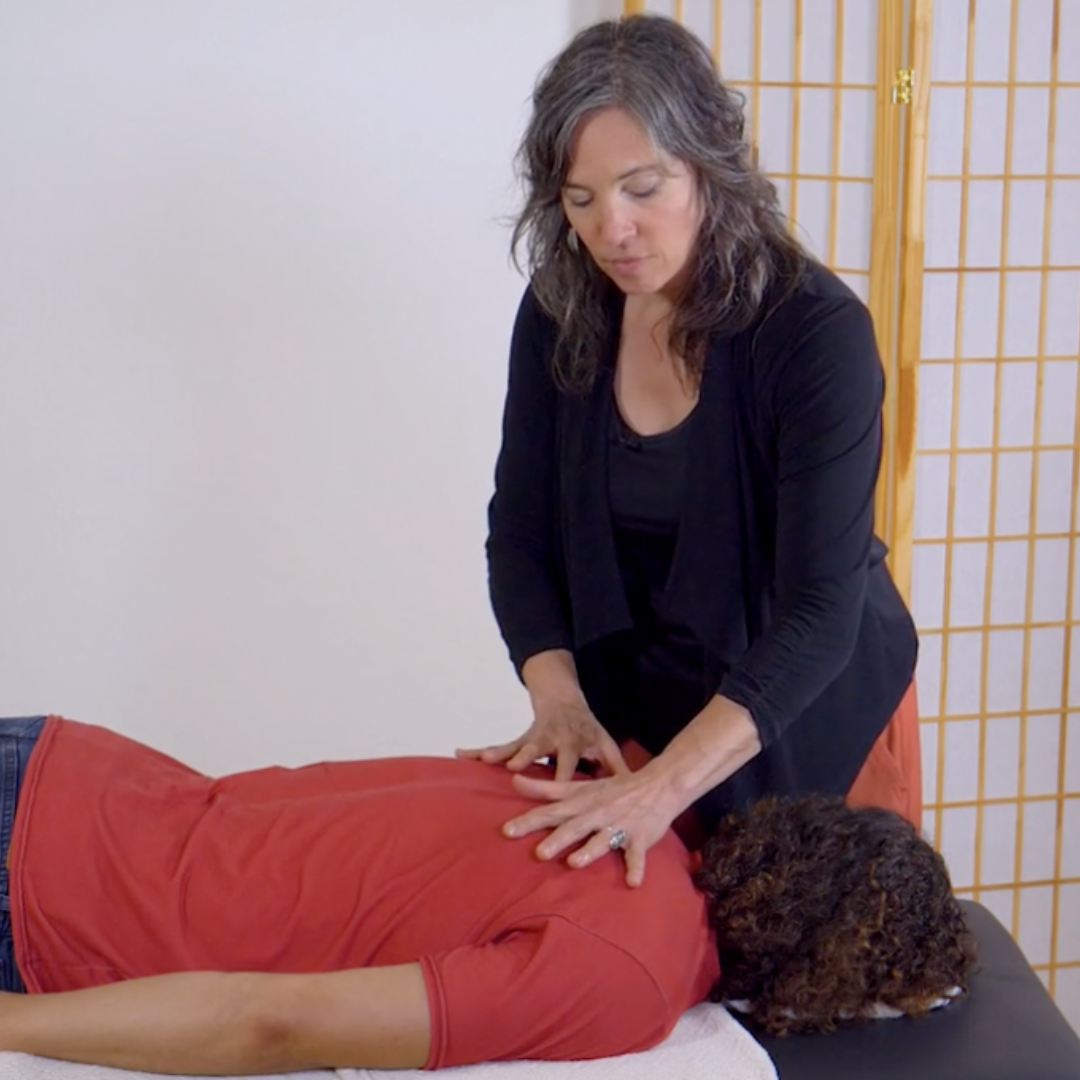


Somatic Therapy Essentials: Core Techniques for Better Clinical Results (CNE)
This course helps nurses understand how somatic principles can support better clinical outcomes by improving body awareness, reducing protective guarding, supporting self-regulation, and helping patients reconnect with safe, comfortable movement. Learners explore how stress, pain, posture, breathing, attention, and movement habits can interact in ways that influence recovery and treatment tolerance. The course is designed to translate somatic techniques into nursing-relevant clinical reasoning. It does not aim to replace rehabilitation, psychotherapy, manual therapy, or specialist assessment. Instead, it helps nurses recognise when somatic-informed education, communication, pacing, grounding, breath awareness, and referral may support safer, more patient-centred care. Understand how somatic awareness may influence pain, muscle guarding, stress response, movement confidence, posture, and recovery behaviour. Explore scope-appropriate concepts such as breath awareness, grounding, gentle movement exploration, pacing, sensory attention, and patient feedback. Use consent, patient choice, trauma-informed language, and careful observation to support comfort without pushing beyond tolerance or scope. Apply somatic-informed reasoning to pain, stress, fatigue, movement avoidance, postural tension, recovery confidence, and care coordination. The learning pathway moves from core somatic principles into observation, patient education, scope-safe support, referral decisions, and clinical integration. Important scope note: Nursing scope varies by country, region, register, employer policy, job role, training, competence, consent requirements, supervision arrangements, and indemnity or insurance. Some nurses may be authorised to use selected somatic-informed techniques in specific settings. Others may not. Learners must follow the requirements that apply to their own professional role and location. This course is suitable for nurses working in clinical practice, rehabilitation, primary care, pain management, mental health, community care, wellness, supportive care, and interdisciplinary settings. It is especially relevant for nurses who want to better understand the relationship between pain, stress, movement, body awareness, communication, and patient participation in care. In support of improving patient care, this course has been planned and implemented by AKH Inc., Advancing Knowledge in Healthcare and Neil Asher. AKH Inc., Advancing Knowledge in Healthcare is jointly accredited by the Accreditation Council for Continuing Medical Education (ACCME), the Accreditation Council for Pharmacy Education (ACPE), and the American Nurses Credentialing Center (ANCC), to provide continuing education for the healthcare team. This activity was planned by and for the healthcare team, and learners will receive 5.00 Interprofessional Continuing Education (IPCE) credit for learning and change.Course Description
What You Will Learn
Clinical Relevance
Core Techniques
Communication and Safety
Clinical Application
Course Pathway
Who This Course Is For