

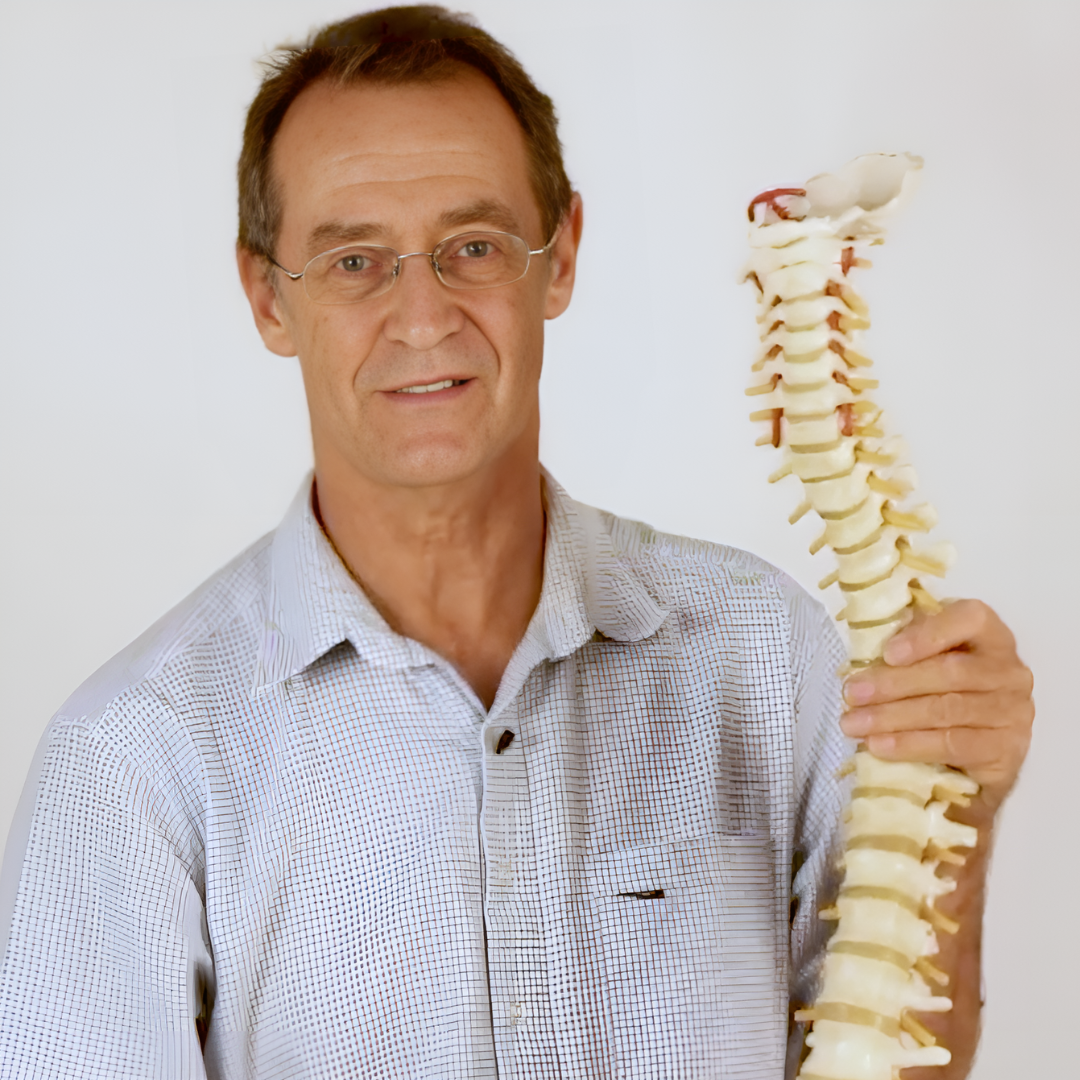
Treating Lower Back Pain (3.5 hrs)
NAT Treating Low Back Pain
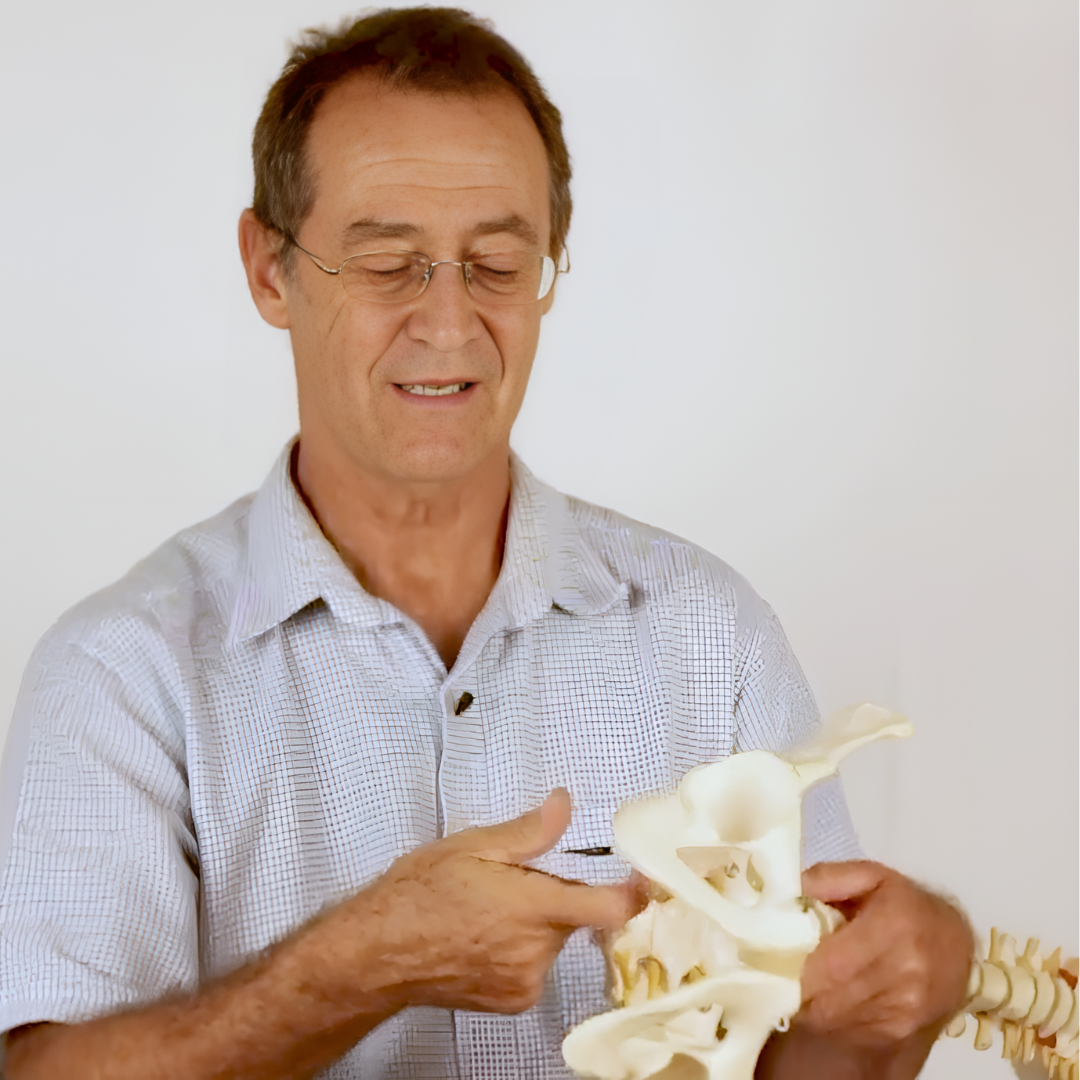
3.5 Hours CE/CPD | Online Course with Dr. Jonathan Kuttner, DPT
Low back pain is one of the most common musculoskeletal complaints seen in clinical practice, and trigger points can play an important role in persistent lumbar discomfort, movement restriction, and referred pain.
NAT Treating Low Back Pain explores the relationship between lumbar back pain, regional anatomy, trigger point formation, and practical treatment strategies for rehabilitation and manual therapy professionals.
Presented by Dr. Jonathan Kuttner, DPT, this course combines video instruction, a fully illustrated course text, practical demonstrations, companion learning, and assessment-based education to support confident clinical application.
Course Overview
Across this 3.5-hour CE/CPD course, participants will examine the anatomy of the lumbar region, the science behind trigger points, and the ways in which myofascial pain may contribute to low back pain presentations.
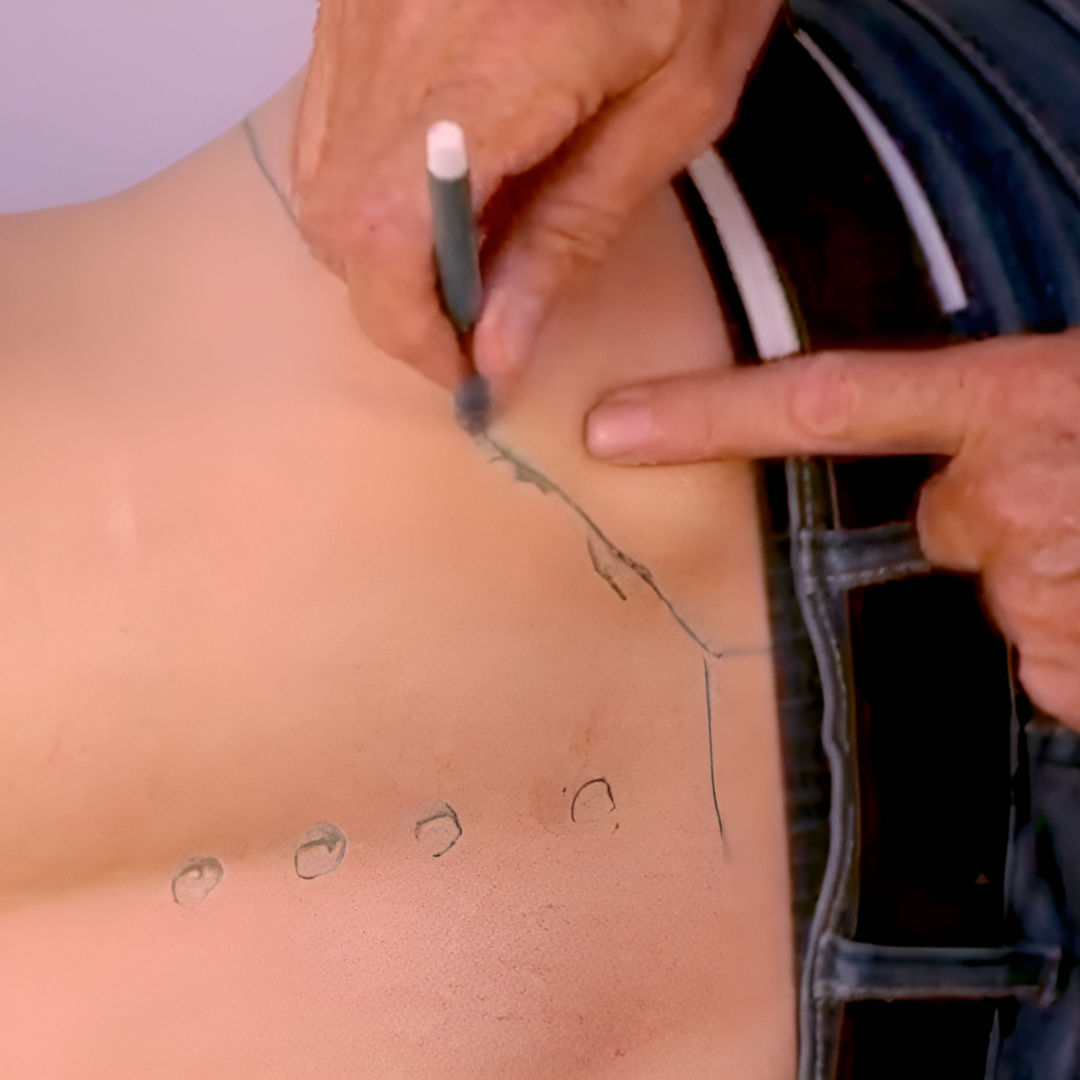
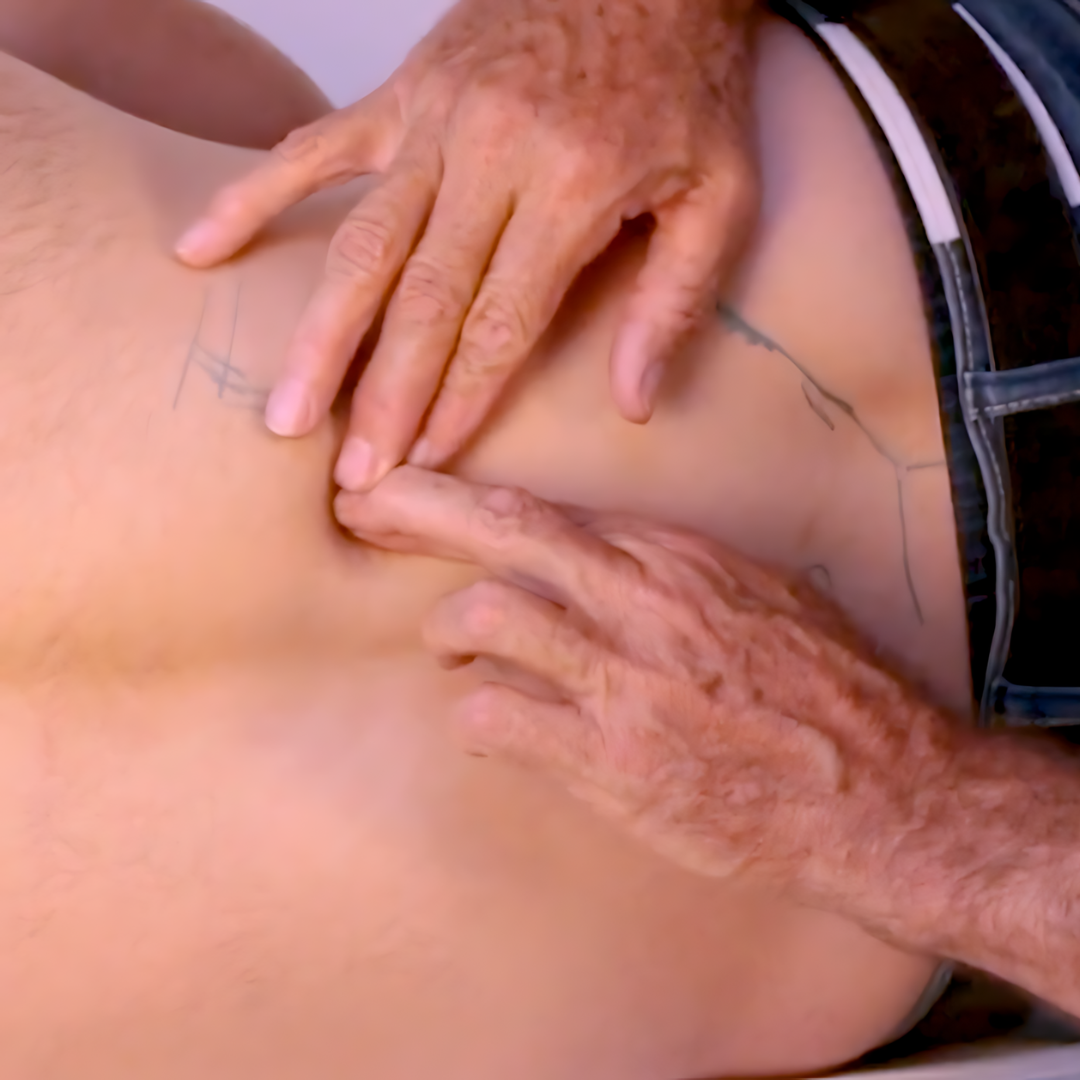
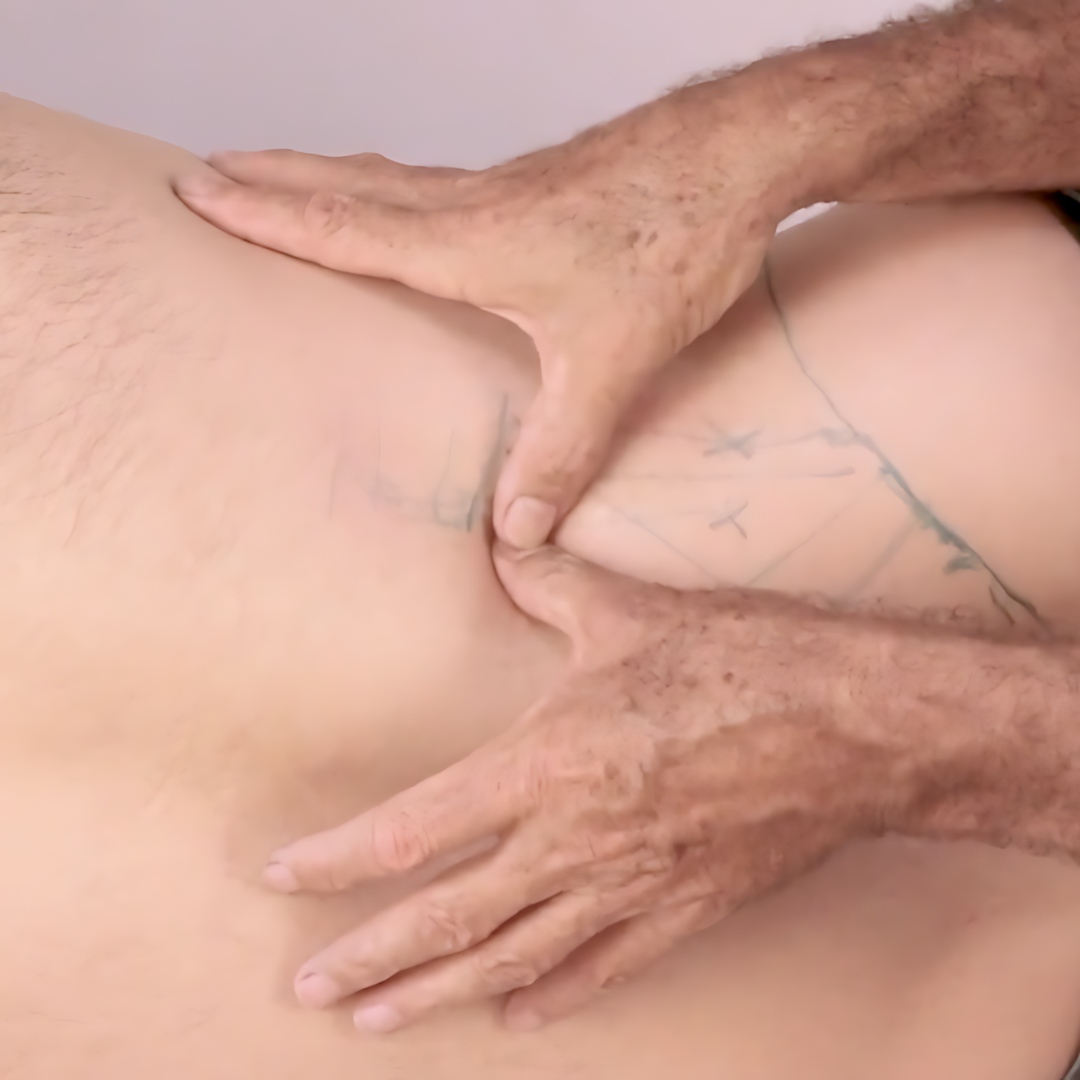
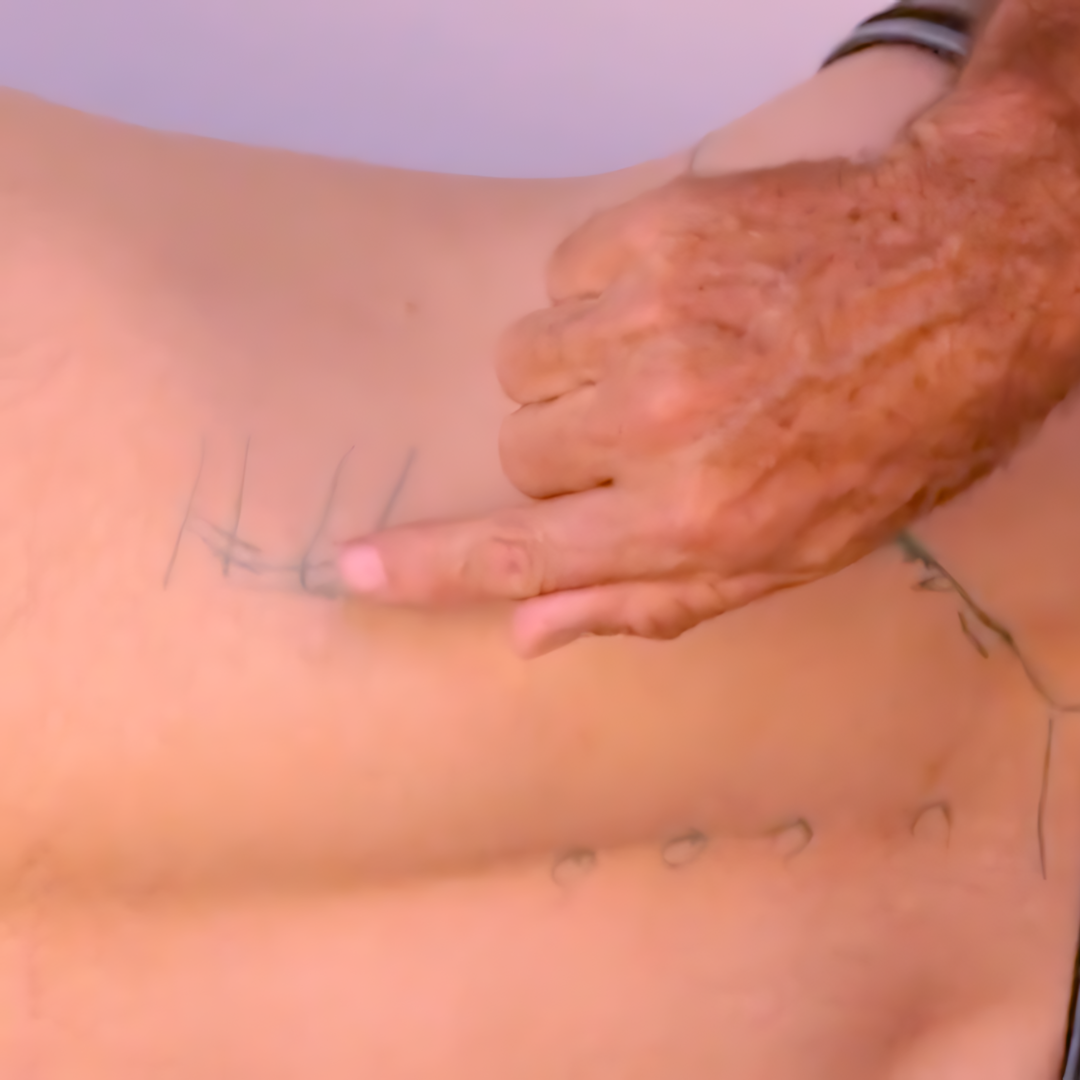
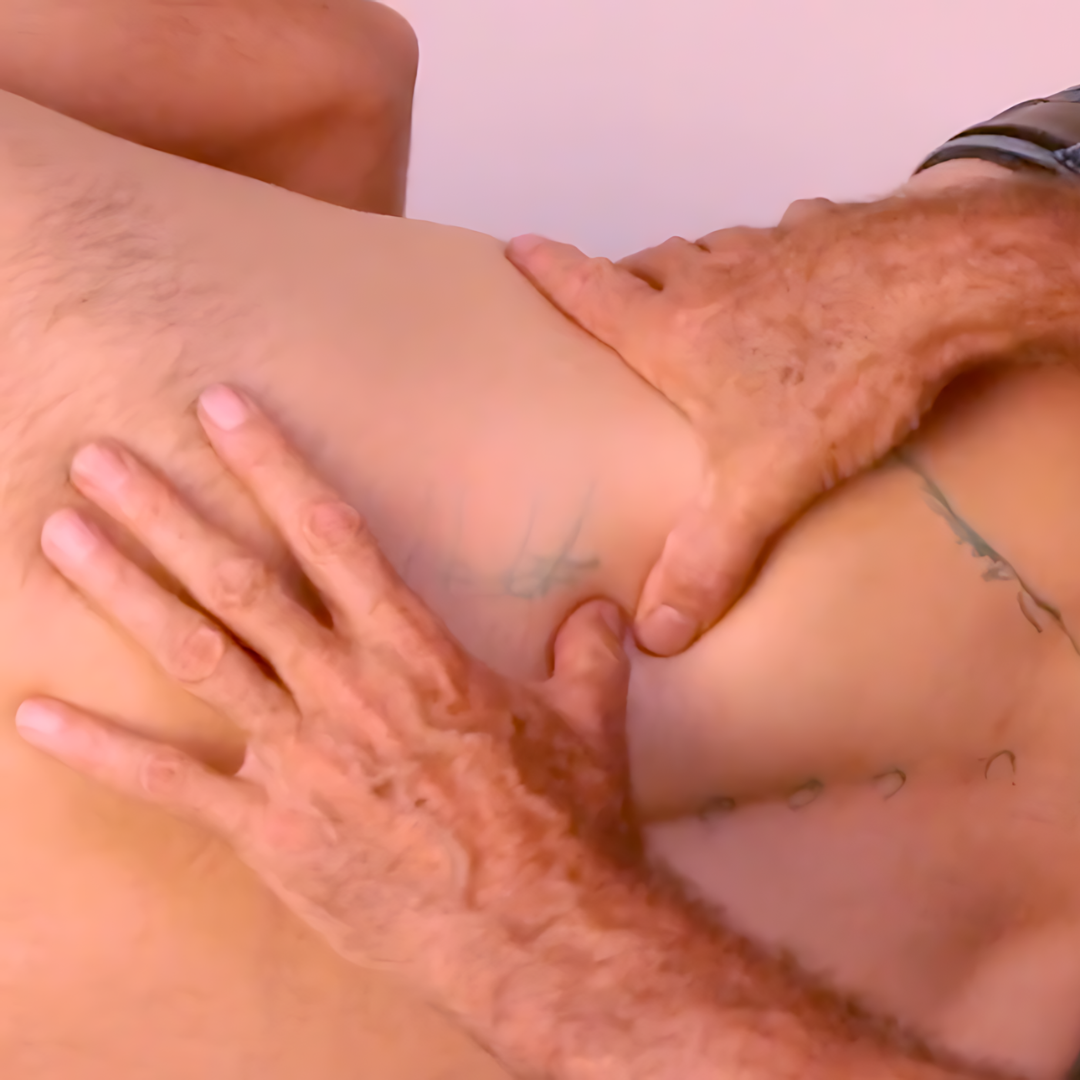
The course includes 2.5 hours of online video classes in which Dr. Kuttner explains lumbar anatomy, trigger point mechanisms, pain referral, and treatment techniques through clear teaching and practical demonstrations.
Students will learn how to identify and treat trigger points effectively and safely, while also developing a broader understanding of clinical reasoning, case-based learning, and patient education.
Supported by a fully illustrated course text, companion course, lesson quizzes, online exam, certificate of completion, subtitles, and lifetime access, this course provides a focused and practical learning experience for therapists working with low back pain.
What You Will Learn
| Topic | Focus |
|---|---|
| Lumbar Anatomy | Understanding key anatomical structures of the lumbar region and their clinical relevance |
| Trigger Point Science | Exploring how trigger points may contribute to low back pain and referred symptoms |
| Assessment and Identification | Developing practical understanding of trigger point identification and treatment decision-making |
| Treatment Techniques | Learning safe and effective approaches for treating lumbar-region trigger points |
| Case-Based Application | Using examples, practical exercises, and clinical reasoning to support real-world application |
| Patient Education | Using course knowledge to support clearer client communication and practical education |
Course Content
The course combines lumbar anatomy, trigger point theory, practical treatment demonstrations, case-based learning, clinical reasoning, and workbook-supported study.
| Module | Focus |
|---|---|
| Understanding Lumbar Back Pain | The lumbar region, common pain presentations, and relevant anatomical considerations |
| Trigger Points and Low Back Pain | How trigger points may contribute to lumbar pain, discomfort, and referred symptoms |
| Assessment and Clinical Reasoning | Identifying relevant trigger points and reasoning through treatment choices |
| Practical Treatment Demonstrations | Diagnosis-focused and treatment-focused video demonstrations presented by Dr. Kuttner |
| Case Studies and Practical Exercises | Applying learning through examples, exercises, and treatment planning |
| Clinical Integration | Using trigger point therapy concepts within rehabilitation, massage, and manual therapy practice |
Who This Course Is For
This course is suitable for rehabilitation professionals, massage therapists, manual therapists, physical therapists, physical therapist assistants, chiropractors, occupational therapists, occupational therapy assistants, athletic trainers, exercise professionals, fitness professionals, and other qualified practitioners.
It is especially valuable for professionals working with clients experiencing low back pain, lumbar trigger points, referred pain, movement restriction, soft tissue dysfunction, and persistent musculoskeletal discomfort.
About Dr. Jonathan Kuttner
Dr. Jonathan Kuttner, DPT, is a respected chronic pain specialist and internationally recognised authority on trigger points and trigger point therapy.
His background includes extensive work in sports medicine, chronic pain management, trigger point therapy, and mind-body healing, with contributions to professional journals and international conferences.
In recognition of his contribution to the field, Dr. Kuttner received a Lifetime Achievement Award from the National Association of Myofascial Trigger Point Therapists.
Included With This Course
| Included | Details |
|---|---|
| Video Classes | 2.5 hours of online video classes presented by Dr. Jonathan Kuttner |
| Fully Illustrated Course Text | Comprehensive course text covering lumbar anatomy, trigger point concepts, case studies, and practical exercises |
| Companion Course | Structured companion learning designed to reinforce and deepen course understanding |
| Lesson Quizzes | Knowledge checks designed to reinforce learning throughout the course |
| Online Exam | Assessment included for course completion |
| Certificate | 3.5 Hours CE/CPD following successful completion |
| Lifetime Access | Study at your own pace and revisit the material whenever required |
| Subtitles | English, French, German, and Spanish subtitles included |
CE Finder
This course has been approved for continuing education by numerous professional boards and associations worldwide. Scroll sideways to find your board or association.
Approvals Listed: 63
CE Broker Provider: #20-658168
3.5
3.5
3.5
3.5
3.5
3.5
3.5
3.5
3.5
3.5
1.4
4
3.5
3.5
3.5
3.5
1.75
3.5
3.5
3.5
3.5
3.5
3.5
3.5
3.5
3.5
3.5
3.5
3.5
3.5
3.5
3.5
3.5
3.5
3.5
3.5
3.5
3.5
3.5
3.5
3.5
3.5
3.5
3.5
3.5
3.5
3.5
3.5
3.5
3.5
3.5
3.5
3.5
3.5
3.5
3.5
3.5
3.5
3.5
3.5
3.5
3.5
3.5
Approval requirements can change. Please confirm acceptance with your own board, association, employer, or regulatory authority before registration.
Treating Lower Back Pain (Trigger Point Therapy)
Professional Reviews & Feedback
The reviews below represent feedback provided by students and practitioners through Trustpilot, Google Reviews, and Judge.me.
“Dr. Kuttner presents lower back pain in a way that is both clinically detailed and highly practical. I learned a great deal from this course.”
“The explanations of trigger points and referred pain patterns helped me better understand many of the back pain cases I see regularly.”
“I appreciated how the course explored multiple potential contributors to lower back pain rather than focusing on a single explanation.”
“The anatomy sections were excellent and provided a strong foundation for the practical treatment demonstrations.”
“This course gave me a more structured approach to assessing muscular involvement in lower back pain presentations.”
“Dr. Kuttner explains complex pain patterns clearly and avoids oversimplifying a notoriously difficult condition.”
“The trigger point content was particularly valuable. I now feel much more confident identifying common referral patterns.”
“The course connected anatomy, biomechanics, and treatment planning in a very logical way.”
“A practical and realistic course that acknowledges the complexity of lower back pain while still providing useful treatment strategies.”
“The demonstrations were detailed without being overwhelming. Everything felt directly applicable to clinical practice.”
“The material helped me better understand the role of quadratus lumborum, gluteal muscles, and psoas trigger points in back pain.”
“I appreciated the emphasis on careful assessment rather than relying on assumptions about the source of pain.”
“The rehabilitation and stretching discussions complemented the hands-on treatment techniques very well.”
“This course helped me think more critically about muscular dysfunction and how it may contribute to persistent lower back symptoms.”
“Dr. Kuttner's teaching style is engaging, evidence-aware, and firmly grounded in clinical experience.”
“The practical examples made it much easier to connect trigger point theory with real-world treatment decisions.”
“A very worthwhile course for therapists looking to deepen their understanding of lower back pain and trigger point therapy.”
“The course improved both my assessment process and my confidence when treating complex back pain cases.”
“Excellent educational content that combines anatomy, trigger point therapy, stretching, and rehabilitation into one coherent framework.”
“One of the most useful lower back pain courses I have completed. Practical, comprehensive, and immediately applicable.”