

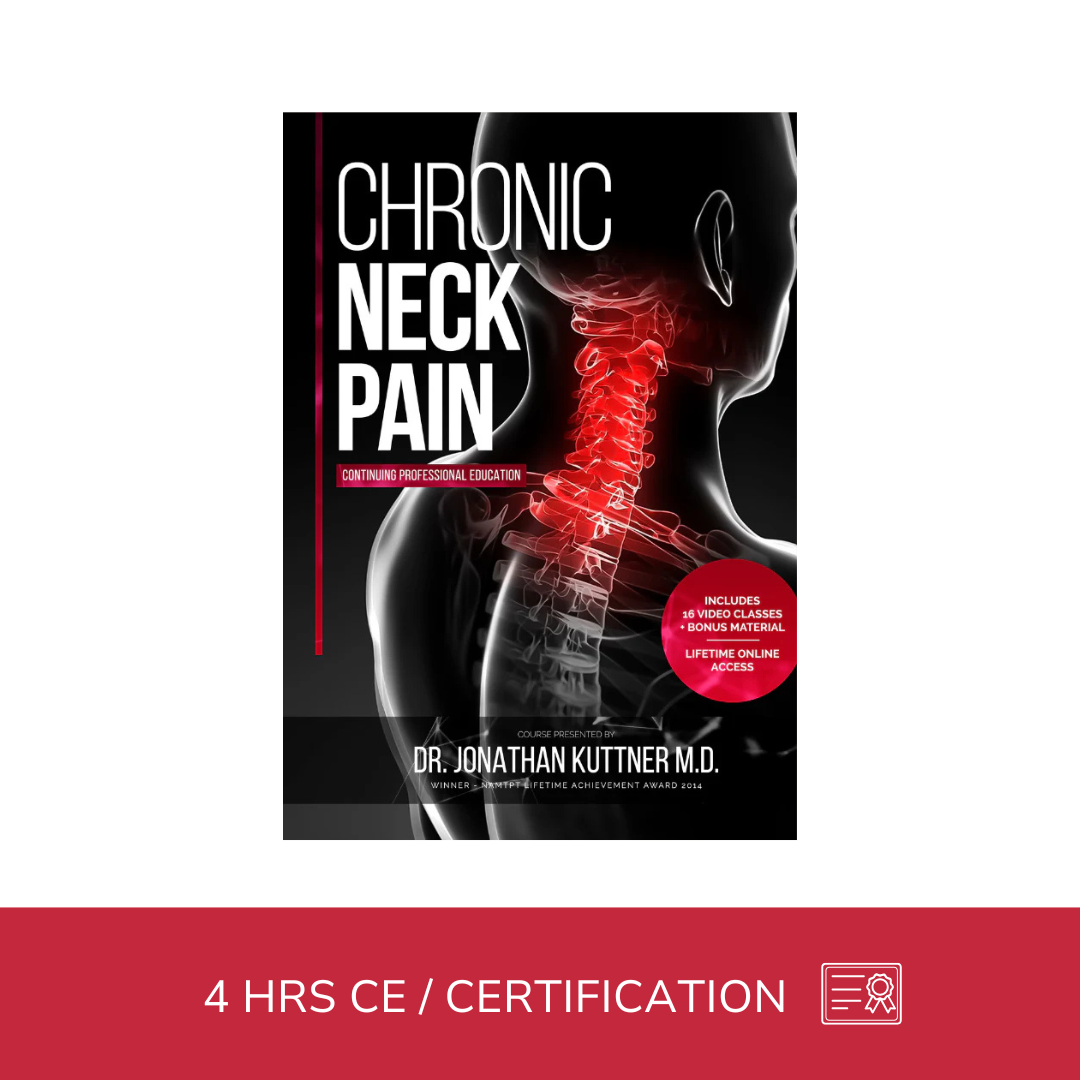

Treating Chronic Neck Pain (4 hrs)
Treating Chronic Neck Pain
4 Hours CE/CPD | Online Course with Dr. Jonathan Kuttner, DPT
Chronic neck pain is rarely the result of a single structure or isolated dysfunction. Persistent symptoms often involve a combination of trigger points, referred pain, movement adaptation, postural stress, thoracic stiffness, breathing mechanics, muscular guarding, and nervous system sensitization.
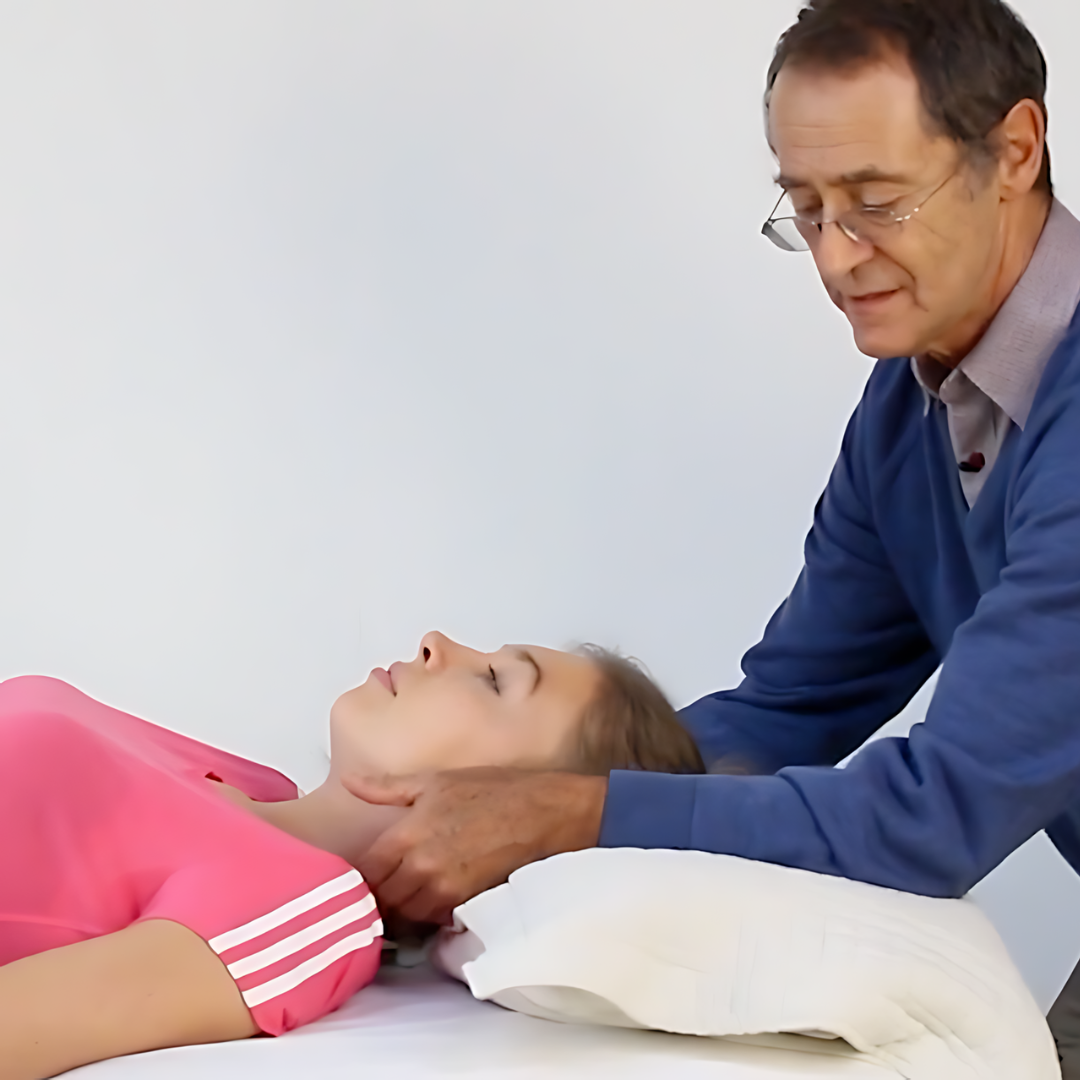
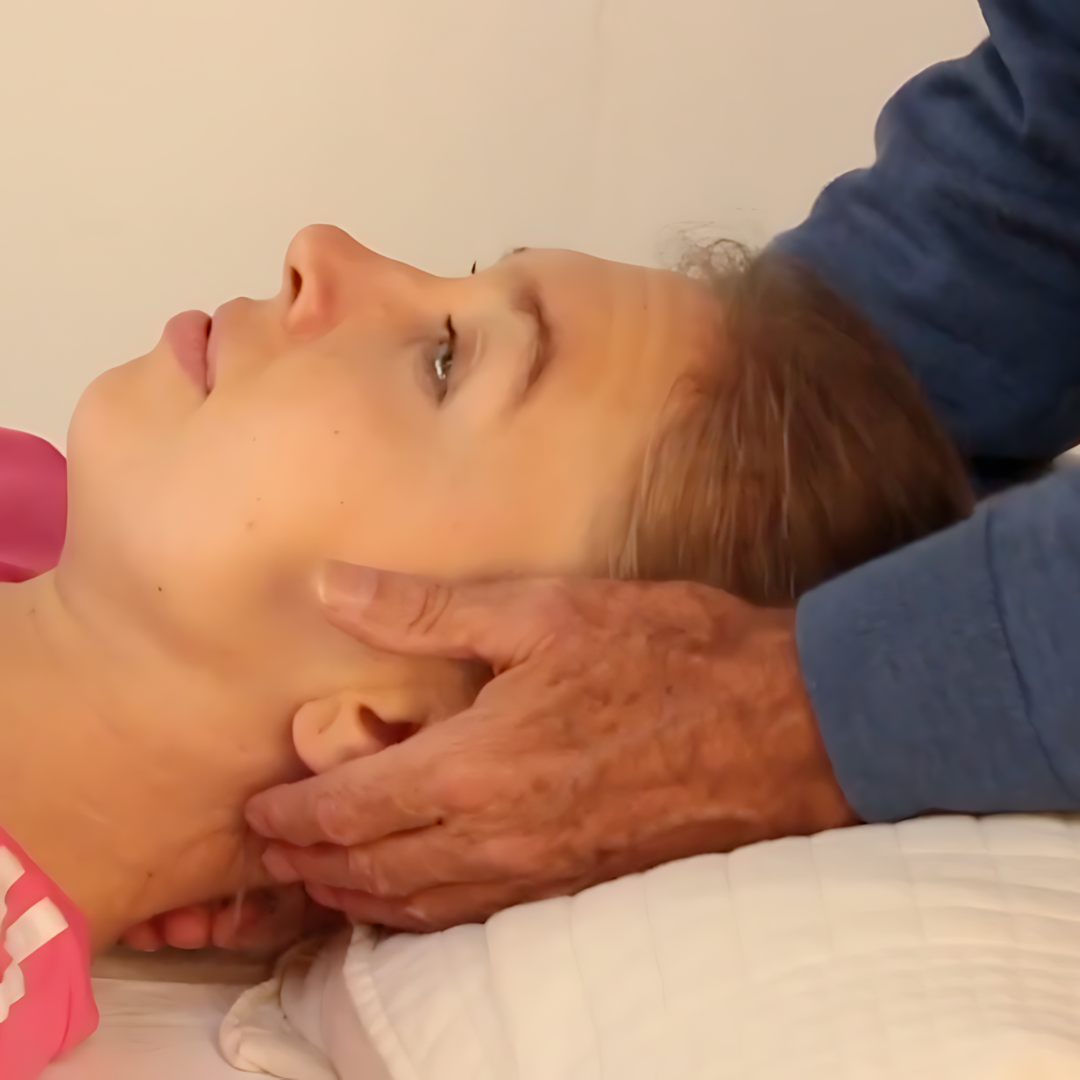
Treating Chronic Neck Pain is a practical, clinically focused course designed to help rehabilitation professionals better understand and manage persistent neck pain presentations through a broader, more integrated treatment approach.
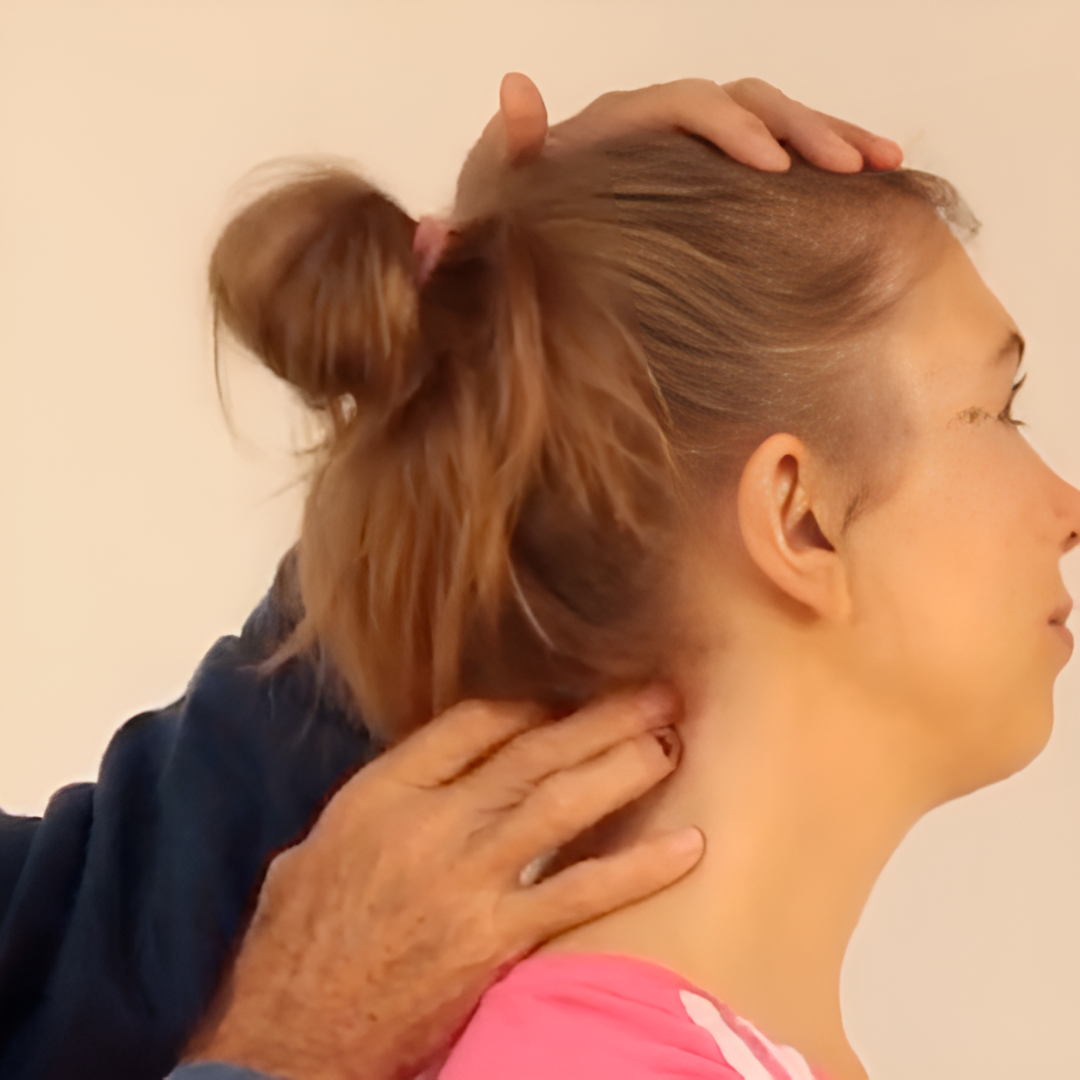
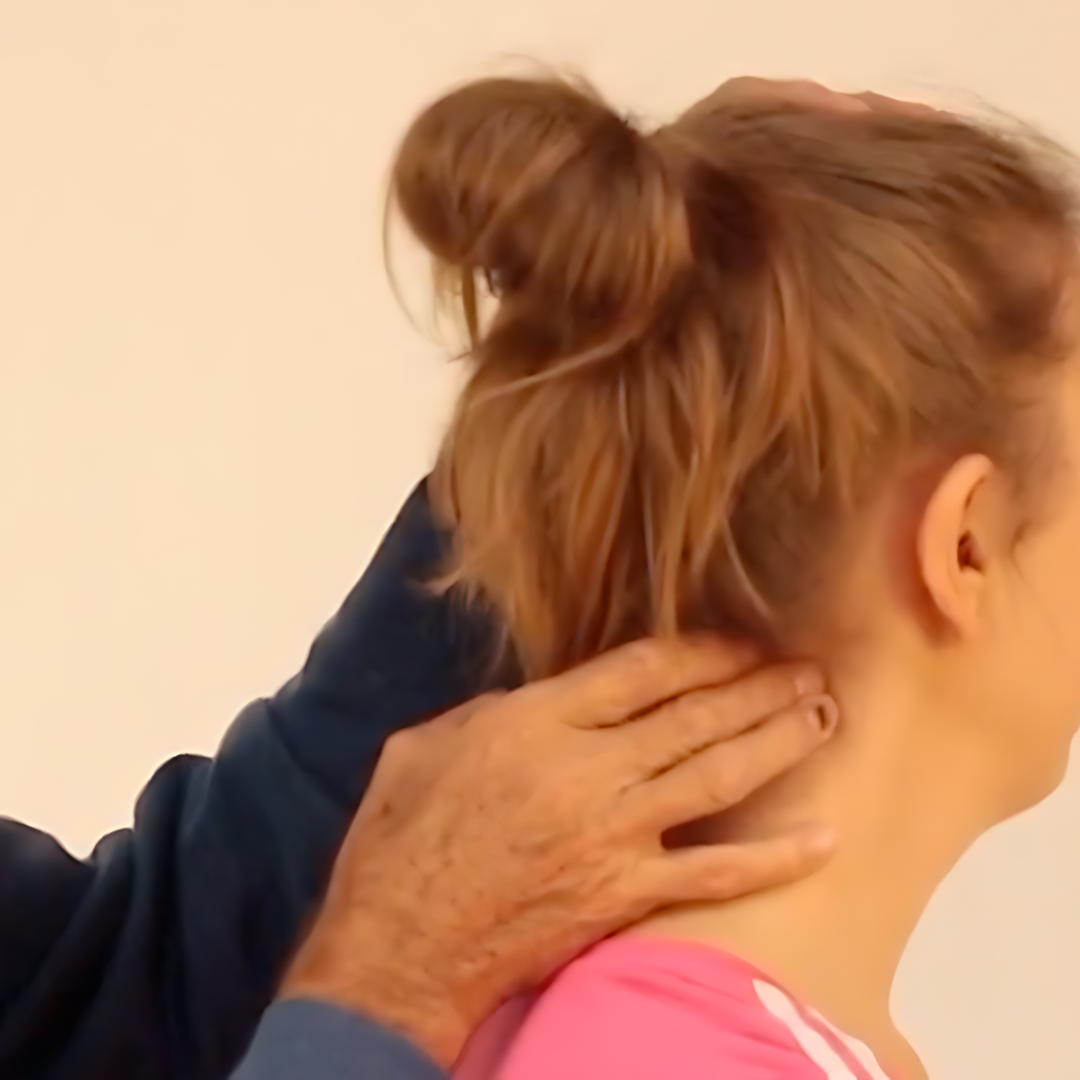
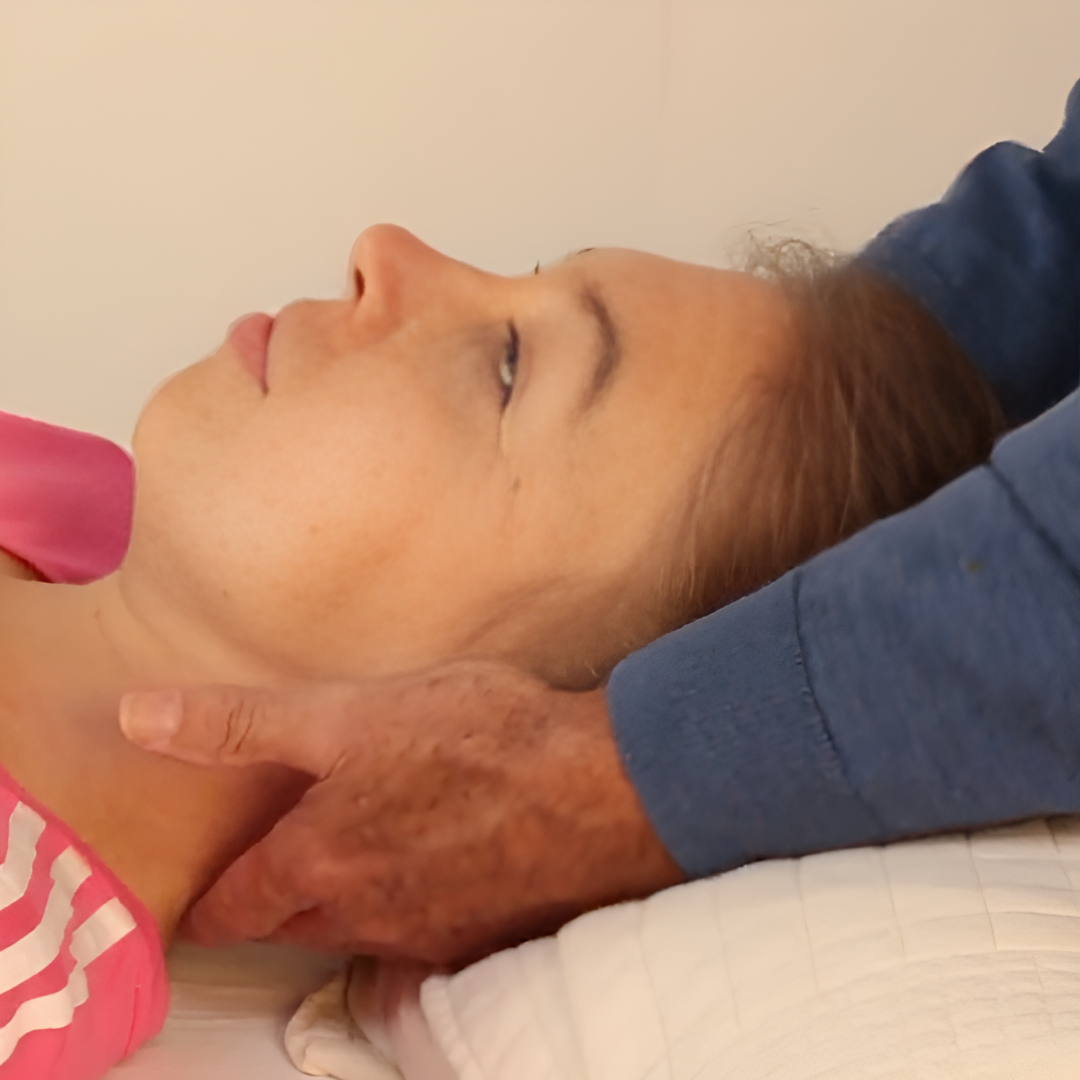
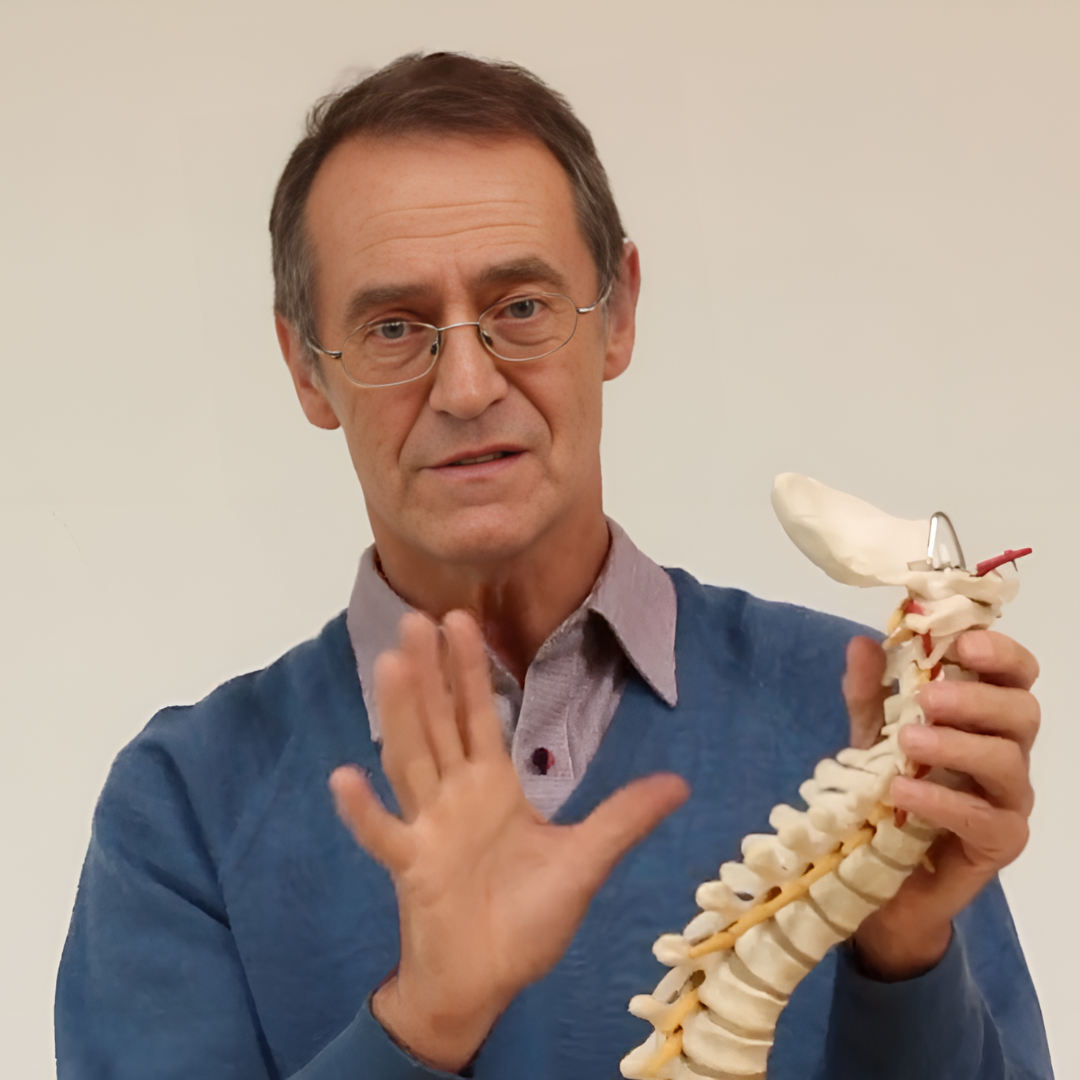
Presented by Dr. Jonathan Kuttner, DPT, this course combines video tutorials, a fully illustrated workbook, companion learning materials, and practical clinical reasoning strategies to help therapists improve assessment, treatment planning, and long-term outcomes for clients with chronic neck pain.
Course Overview
Across this 4-hour CE/CPD course, participants will explore the many factors that contribute to chronic neck pain, including trigger points, referred pain patterns, cervical and thoracic mechanics, postural influences, breathing dysfunction, movement avoidance, and sensitization.
Rather than focusing solely on painful structures, the course encourages therapists to view neck pain within the wider context of movement, function, adaptation, and recovery.
Students will learn how chronic pain presentations develop and persist, how protective movement strategies may contribute to ongoing symptoms, and how manual therapy, rehabilitation, exercise, education, and progressive movement restoration can work together to support recovery.
Supported by video instruction, a fully illustrated workbook, a companion course, lesson quizzes, final examination, certificate of completion, and lifetime access, this course provides a comprehensive framework for treating persistent neck pain presentations.
What You Will Learn
| Topic | Focus |
|---|---|
| Trigger Points & Referred Pain | Understanding common referral patterns and their contribution to persistent symptoms |
| Cervical & Thoracic Mechanics | Exploring the relationship between neck movement, thoracic mobility, and function |
| Posture & Ergonomics | Recognising how sustained positions and movement habits may influence symptoms |
| Breathing & Guarding Patterns | Understanding the influence of breathing mechanics and protective muscular tension |
| Sensitization & Chronic Pain | Examining nervous system adaptation and its role in persistent pain presentations |
| Rehabilitation Strategies | Combining manual therapy, exercise, movement restoration, and client education |
Course Content
The course combines chronic pain science, trigger point therapy concepts, movement analysis, rehabilitation principles, postural influences, breathing mechanics, and practical treatment strategies.
| Module | Focus |
|---|---|
| Understanding Chronic Neck Pain | Exploring why persistent neck pain develops and the factors that maintain symptoms |
| Trigger Points & Referral Patterns | Understanding muscular contributions to neck pain and referred symptoms |
| Movement, Posture & Thoracic Function | Examining cervical mechanics, thoracic mobility, posture, and movement adaptation |
| Breathing, Guarding & Sensitization | Exploring the influence of breathing patterns and nervous system responses |
| Treatment & Rehabilitation Strategies | Integrating manual therapy, movement restoration, endurance training, and rehabilitation planning |
Who This Course Is For
This course is suitable for massage therapists, manual therapists, physiotherapists, physical therapists, athletic trainers, osteopaths, sports therapists, chiropractors, rehabilitation professionals, and movement specialists.
It is particularly valuable for practitioners who regularly work with persistent neck pain, headaches, postural dysfunction, upper quadrant complaints, trigger point-related symptoms, movement restriction, and chronic musculoskeletal presentations.
About Dr. Jonathan Kuttner
Dr. Jonathan Kuttner, DPT, is a respected chronic pain specialist and internationally recognised authority on trigger points and trigger point therapy.
His extensive clinical experience and practical approach to pain management have helped practitioners better understand the relationship between myofascial dysfunction, movement impairment, and persistent pain.
In recognition of his contribution to the profession, he received a Lifetime Achievement Award from the National Association of Myofascial Trigger Point Therapists (NAMTPT) in 2016.
Included With This Course
| Included | Details |
|---|---|
| Video Tutorials | Practical instruction presented by Dr. Jonathan Kuttner, DPT |
| Illustrated Workbook | Visual learning support covering chronic neck pain, trigger points, and rehabilitation concepts |
| Companion Course | Structured lessons reinforcing assessment, treatment reasoning, and rehabilitation principles |
| Lesson Quizzes | Knowledge checks designed to reinforce learning throughout the course |
| Final Exam | Assessment included for course completion |
| Certificate | 4 Hours CE/CPD following successful completion |
| Lifetime Access | Study at your own pace and revisit the material whenever required |
CE Finder
This course has been approved for continuing education by numerous professional boards and associations worldwide. Scroll sideways to find your board or association.
Approvals Listed: 65
CE Broker Provider: #20-757938
4
4
4
4
4
4
4
4
4
4
1.6
2
4 - Primary
4
4
4
4
2
4
4
4
4
4
4
4
4
4
4
4
4
4
4
4
4
4
4
4
4
4
4
4
4
4
4
4
4
4
4
4
4
4
4
4
4
4
4
4
4
4
4
4
4
4
4
4
Approval requirements can change. Please confirm acceptance with your own board, association, employer, or regulatory authority before registration.
Evaluating and Treating Chronic Neck Pain
Professional Reviews & Feedback
The reviews below represent feedback provided by students and practitioners through Trustpilot, Google Reviews, and Judge.me.
“Dr. Jonathan Kuttner presents chronic neck pain in a way that is both clinically detailed and immediately practical.”
“The course helped me better understand why chronic neck pain often persists even after obvious tissue irritation has settled.”
“I appreciated the emphasis on assessment and clinical reasoning rather than relying on a one-size-fits-all treatment approach.”
“The sections on referred pain patterns and trigger points were especially useful for the clients I see most often.”
“This course gave me a more structured process for evaluating complex neck pain presentations.”
“Dr. Kuttner explains difficult concepts in a clear and organised way. The material was easy to follow.”
“The assessment strategies alone were worth the course. They have already improved my treatment planning.”
“A practical course that helped me connect neck pain symptoms with posture, movement habits, and muscular dysfunction.”
“I found the discussion of chronic pain mechanisms particularly valuable. It changed how I approach certain clients.”
“The course provided a balanced view of assessment, manual therapy, and long-term management strategies.”
“The clinical examples were realistic and helped translate theory into practical treatment decisions.”
“I appreciated that the course focused on understanding the client rather than simply treating symptoms.”
“The material helped me become more confident assessing chronic neck complaints that do not fit a simple pattern.”
“A highly useful course for therapists working with office workers, athletes, and clients with persistent neck tension.”
“The explanations around trigger points and referred symptoms were among the clearest I have encountered.”
“The course encouraged a more thoughtful approach to reassessment and treatment progression.”
“Dr. Kuttner combines scientific understanding with practical treatment room experience exceptionally well.”
“The content was relevant, well organised, and directly applicable to the clients I see every week.”
“I particularly liked the focus on identifying contributing factors rather than searching for a single cause.”
“A comprehensive and practical course that has improved how I evaluate and manage chronic neck pain presentations.”