
Looking for a specific topic?
Use the filter below to explore articles by subject, technique, condition, or area of practice.
Blogs and Articles

Understanding Calcific Tendonitis: Why It Happens, How It Heals, and Where Manual Therapy Fits In
A comprehensive guide for manual therapists, rehabilitation professionals, and personal trainers Calcific tendonitis is one of those shoulder conditions that seems to appear out of nowhere. One week a...
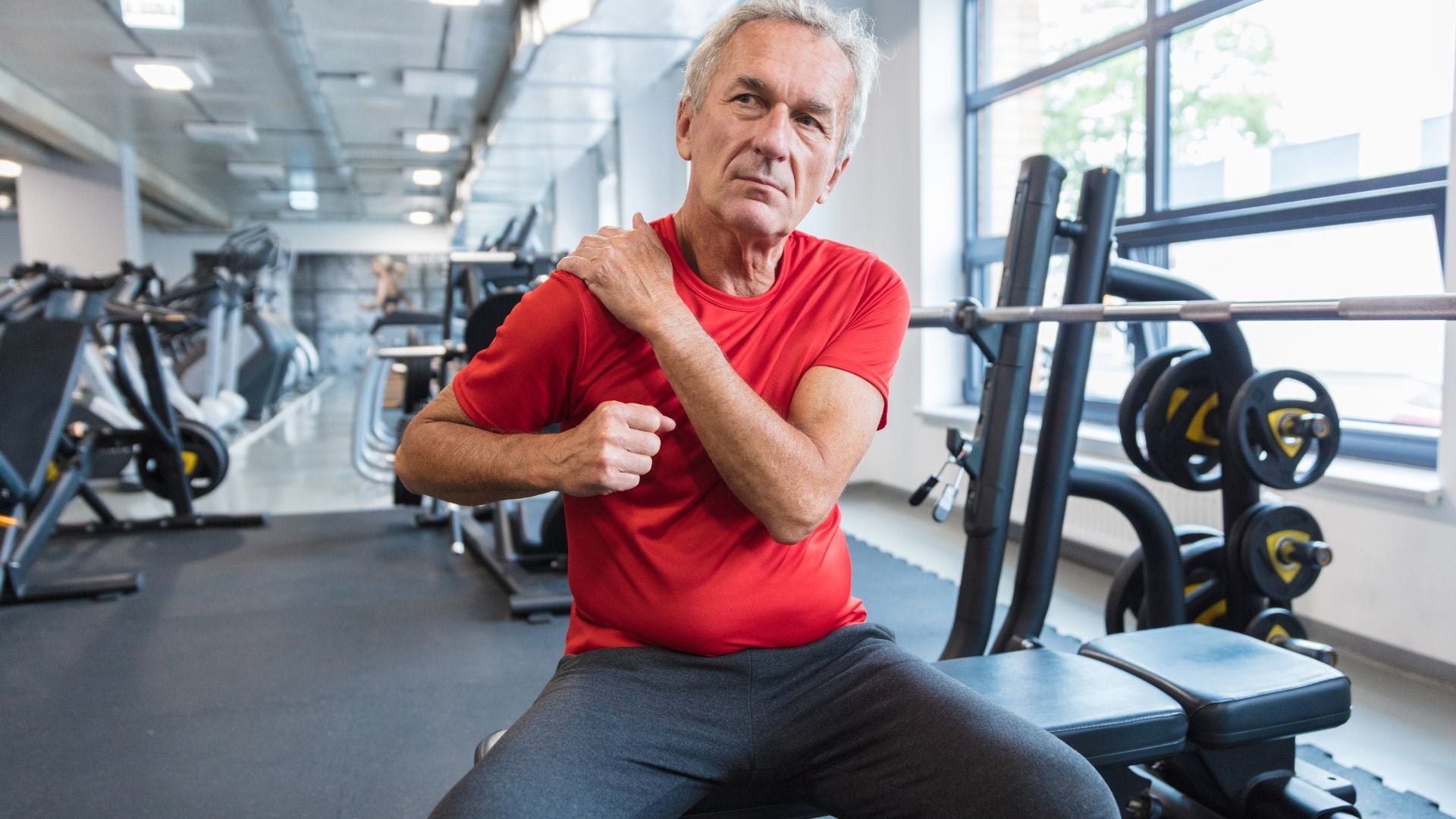
Shoulder Injury Rehabilitation: Why It’s Complicated, How to Approach It, and What Really Works
Shoulder rehabilitation is one of those areas in clinical practice where experience teaches you humility. No matter how well you think you understand the injury in front of you, no...
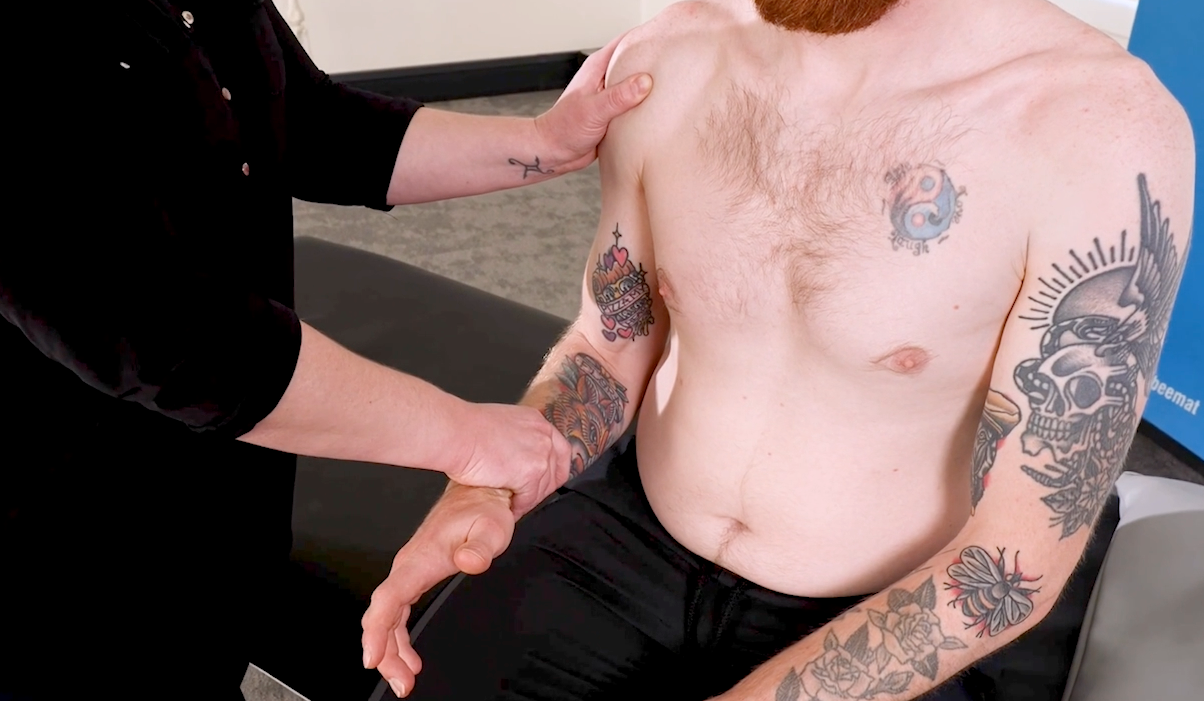
Shoulder Special Tests: A Practical Guide for Manual Therapists
Special Tests: Clues, Not Conclusions There are few joints as fascinating, frustrating, and wonderfully unpredictable as the shoulder. If you’ve treated enough of them, you already know: every shoulder tells...
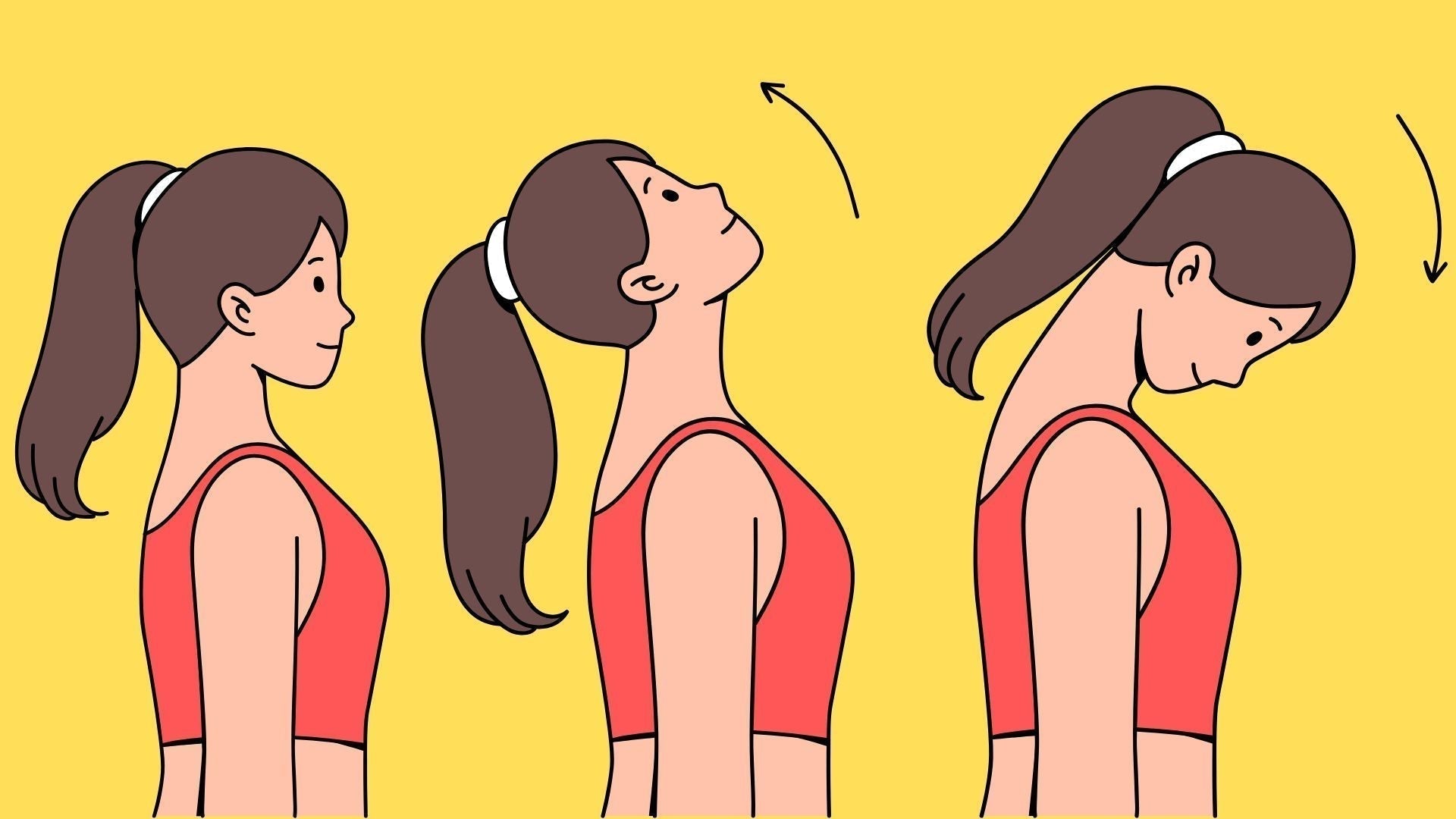
5 Best Shoulder and Neck Stretches to Do Every Morning
Wake Up, Stretch, and Feel Amazing: Why Morning Neck and Shoulder Stretches Matter Let’s be honest—most of us wake up feeling stiff. Whether you slept in an awkward position, spent...
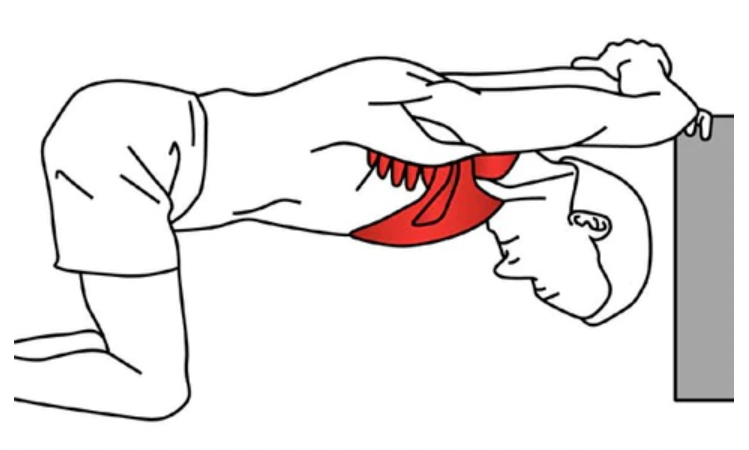
Movement and Rehabilitation - 5 Great Shoulder Stretches
Know your shoulder anatomy! Simple Shoulder Stretches Here are 5 other shoulder stretches that we regularly recommend ... 1. Great for trigger points in the "Pecs"! Technique Kneel...

Top 10 Exercises for a Frozen Shoulder
10 Best Exercises for a Frozen Shoulder: Reclaiming Movement and Easing Pain A frozen shoulder. The name itself evokes a sense of stiffness and immobility, and that's precisely what this...
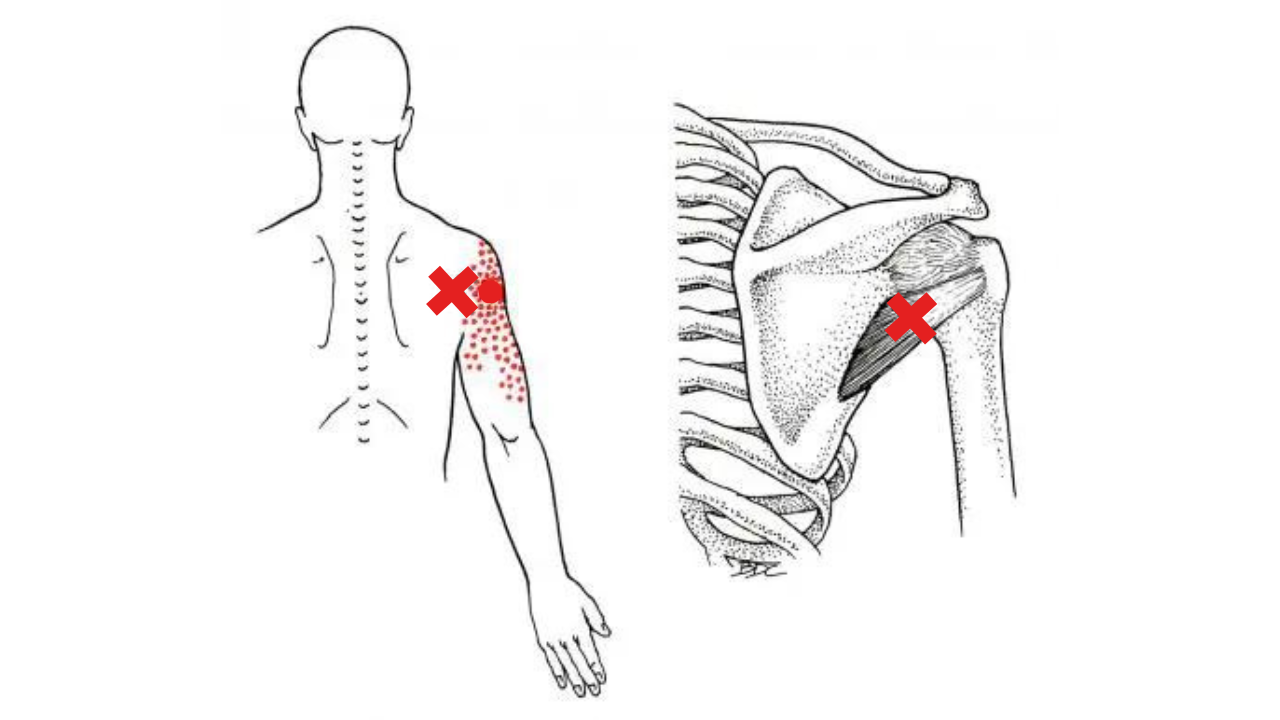
Understanding the Teres Minor Muscle: Anatomy, Trigger Points, and Trigger Point Therapy
The human shoulder is a complex and highly mobile joint that relies on the coordinated function of various muscles. Among the key players in this system is the teres minor,...
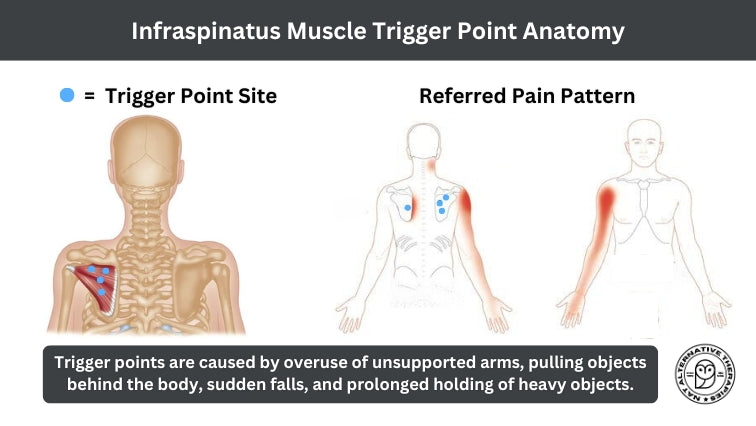
The Infraspinatus Muscle: Function, Injuries, and Treatment Modalities
The infraspinatus muscle is member of the rotator cuff group, which comprises the supraspinatus, infraspinatus, teres minor, and subscapularis The infraspinatus muscle is one of the four muscles that comprise...
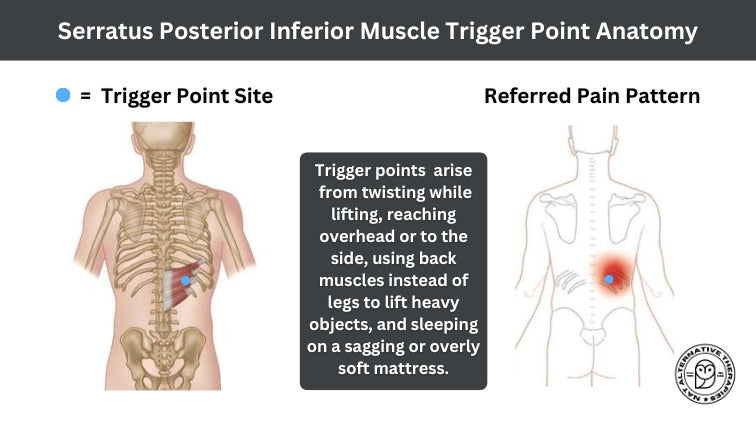
Trigger Point Treatment - Serratus Posterior Inferior
Serratus Posterior Inferior Muscle Serratus Posterior Inferior is an often overlooked cause of lower back pain This muscle may be primarily a muscle of proprioception but it's important to...

Rehabilitation - Simple Shoulder Strengthening Exercises
Shoulder and Upper Body - Resistance Band Exercises with Mike McGurn When you work correctly with a resistance band, every part of both the concentric and eccentric part of...
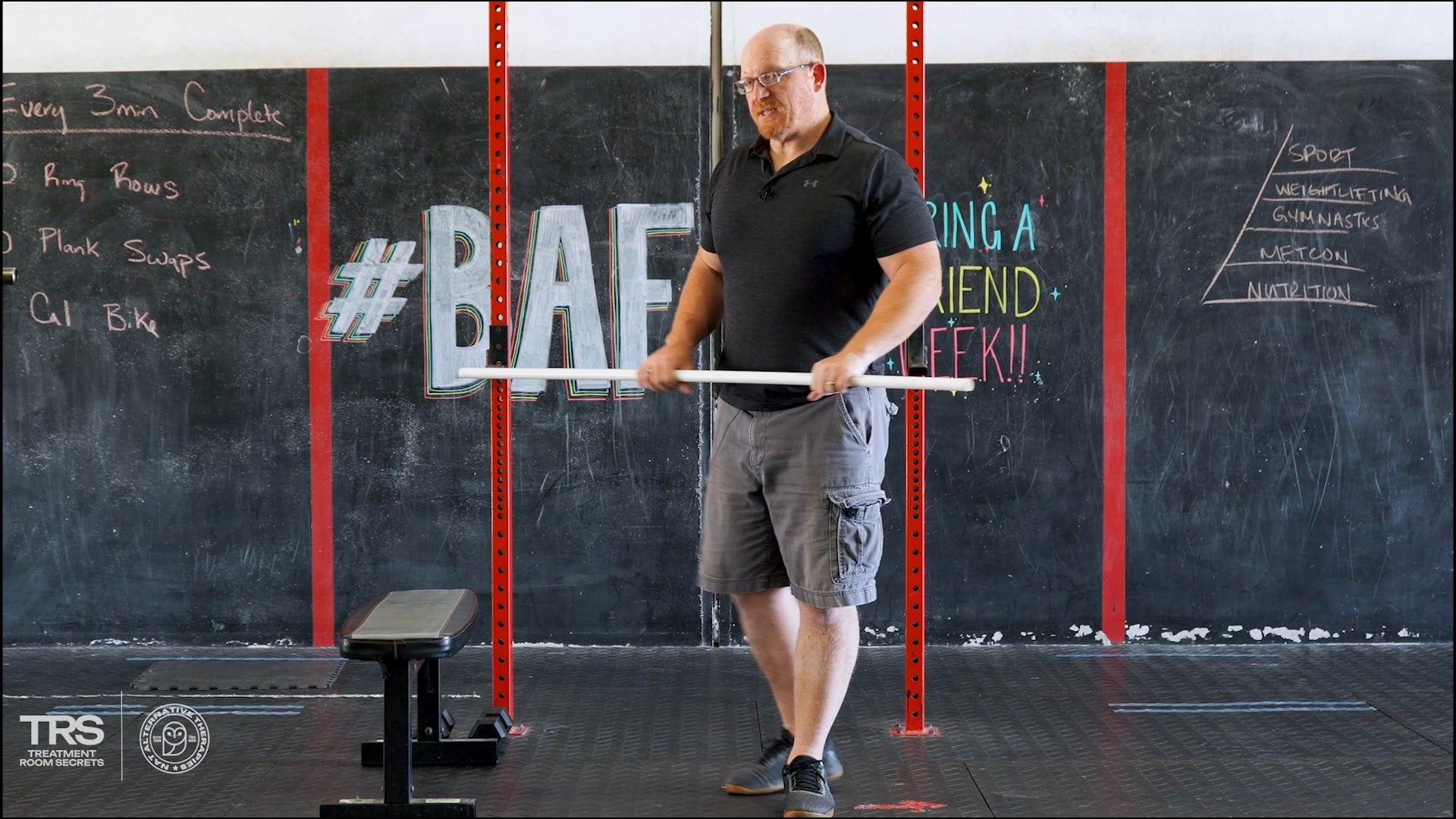
Shoulder Health | Mastering Horizontal Pulling
Mastering Horizontal Pulling: A Comprehensive Guide to Shoulder Health, Injury Avoidance, and Rehab Considerations Introduction: Horizontal pulling exercises are a cornerstone of any well-rounded strength training program, targeting key muscles...
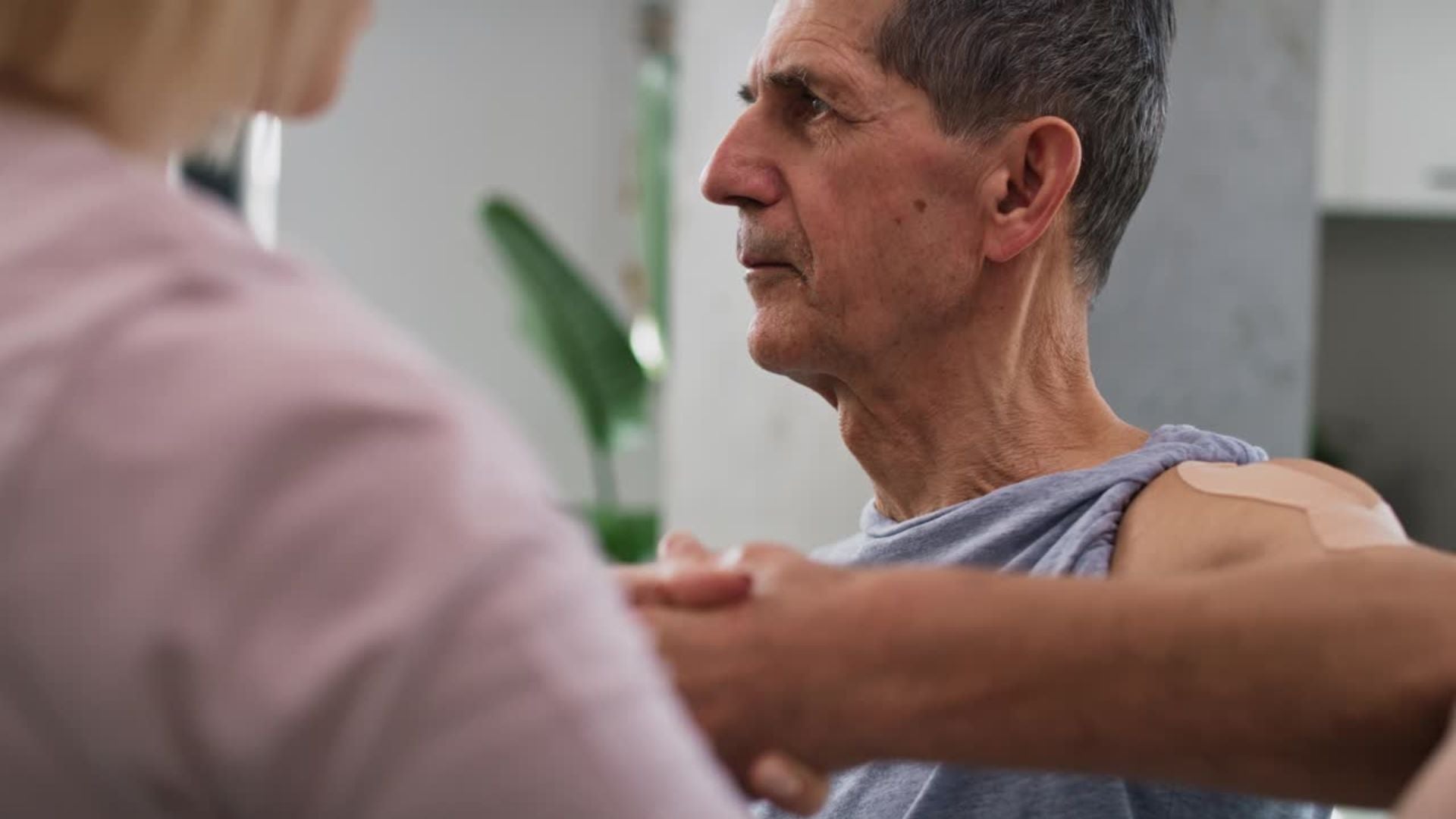
Understanding Rotator Cuff Injuries and Treatment
The rotator cuff—a group of four small but mighty muscles: supraspinatus, infraspinatus, teres minor, and subscapularis—acts as the shoulder’s dynamic stabilizer. These muscles keep the humeral head centred in the glenoid fossa during movement, and they work constantly, even when we’re doing something as simple as reaching for a cup of tea. They control rotation, guide elevation, and prevent the shoulder from collapsing into the kind of sloppy mechanics that lead to impingement and pain.

save on coverage with massage magazine insurance plus