
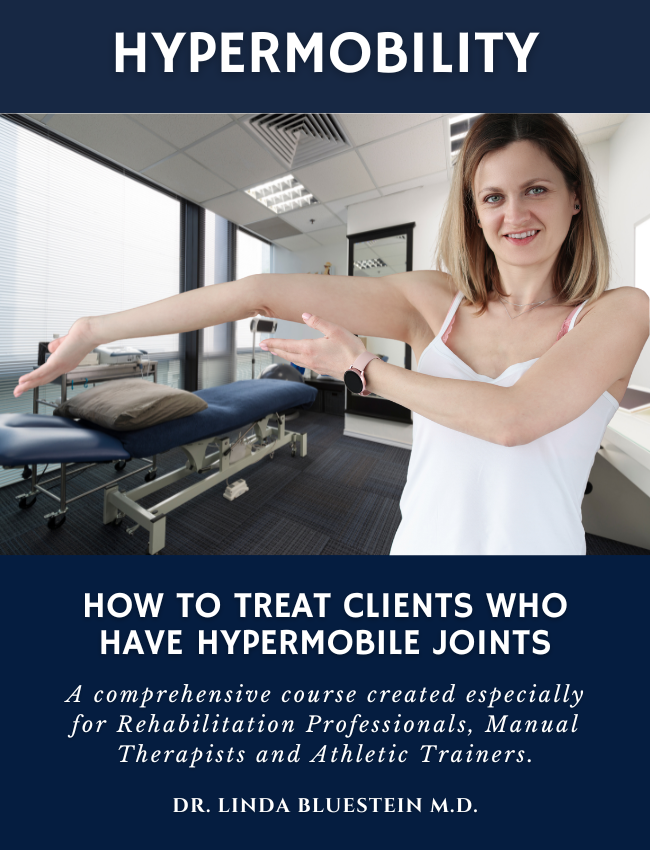


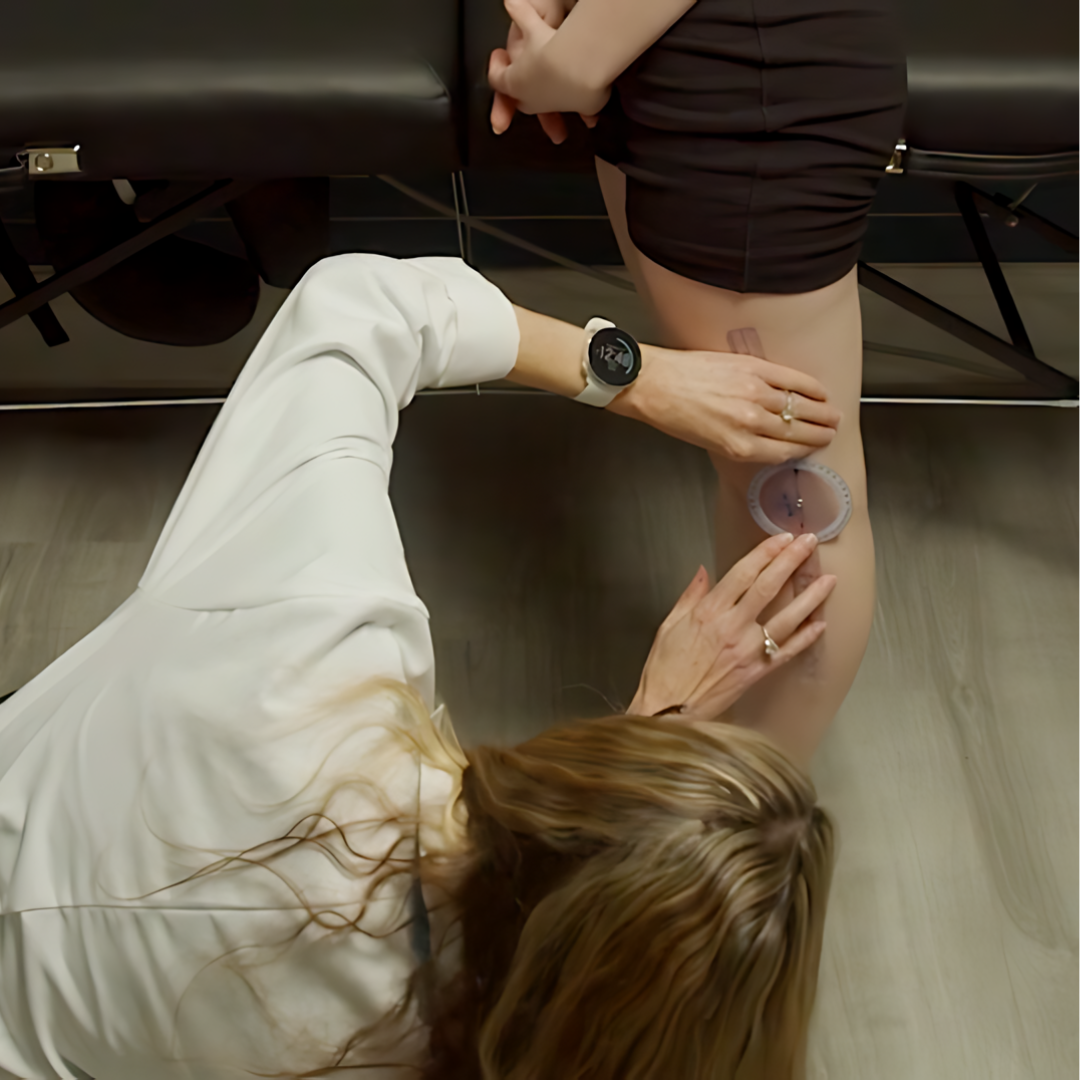
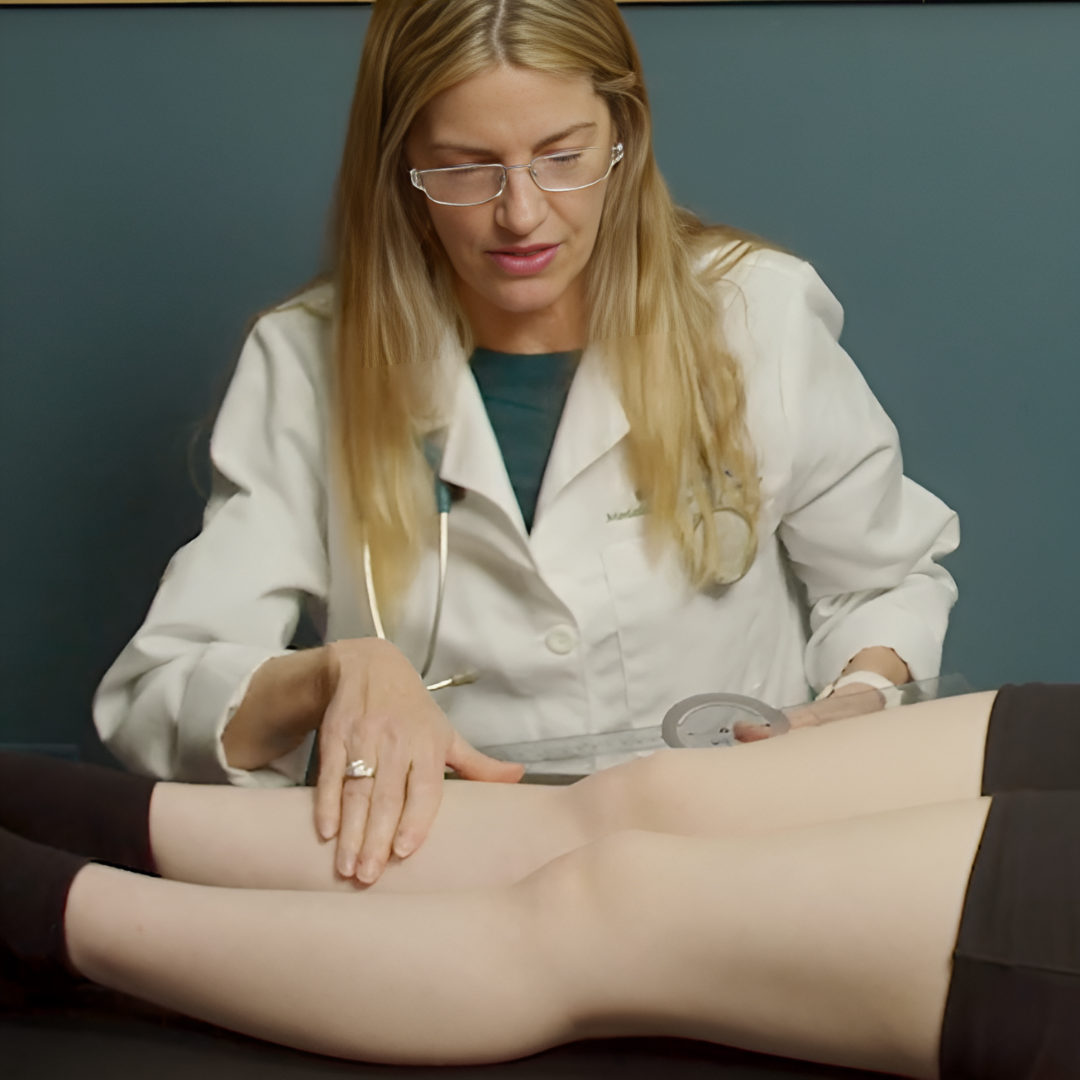
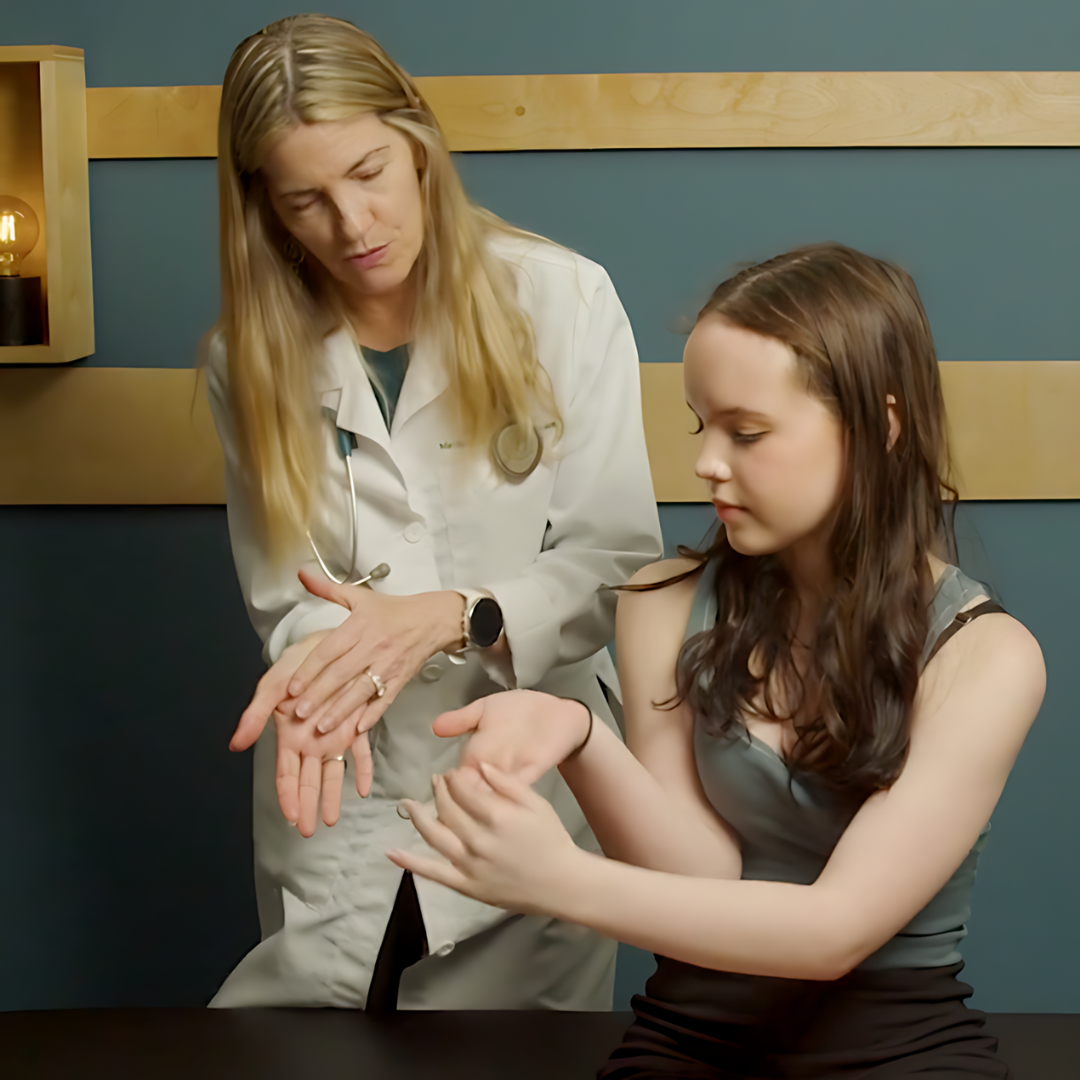
Understanding and Treating Hypermobility (5.5 hrs)
Understanding and Treating Hypermobility
5.5 Hours CE/CPD | Online Course with Dr. Linda Bluestein, M.D.
Hypermobility is often misunderstood as simply being “double-jointed” or unusually flexible. In reality, many hypermobile individuals experience far more than increased range of motion alone.
Understanding and Treating Hypermobility explores hypermobility through a modern, integrated lens that moves beyond purely structural explanations and toward a more complete understanding of whole-body function, recovery, fatigue, pain, and long-term management.
Presented by Dr. Linda Bluestein, M.D., this course helps clinicians and therapists better understand the complex realities of hypermobility-related disorders and their wider effects on movement, stability, nervous system regulation, recovery, and quality of life.
Course Overview
Across this 5.5-hour CE/CPD course, participants will explore hypermobility, connective tissue disorders, chronic pain, fatigue, autonomic dysfunction, exercise intolerance, nervous system dysregulation, and the clinical reasoning required for more sustainable long-term support.
The course examines how connective tissue behavior, movement tolerance, proprioception, recovery capacity, sleep disruption, stress physiology, and multisystem symptoms may all interact within hypermobility-related disorders.
Rather than presenting hypermobility as a simple flexibility issue, the course supports a more compassionate and whole-person approach to care, helping practitioners understand why these conditions can be fluctuating, complex, and difficult to manage.
Supported by professionally presented video education, a comprehensive companion course, reflective learning quizzes, final assessment, downloadable course materials, and certificate of completion, this course provides a structured learning experience for professionals working with clients affected by hypermobility and related conditions.
What You Will Learn
| Topic | Focus |
|---|---|
| Movement & Stability | Understanding how hypermobility affects movement control, proprioception, stability, and physical function |
| Pain & Fatigue | Exploring why chronic pain, fatigue, and nervous system sensitivity are often central features |
| Autonomic Dysfunction | Learning how autonomic symptoms, poor recovery, stress physiology, and sleep disruption may influence symptoms |
| Rehabilitation & Pacing | Developing more sustainable approaches to rehabilitation, pacing, exercise progression, and recovery management |
| Whole-Person Clinical Reasoning | Strengthening integrated and compassionate approaches to care for complex hypermobility presentations |
| Comorbidities & Overlap | Recognizing how hypermobility may overlap with chronic fatigue, digestive symptoms, autonomic dysfunction, and wider multisystem concerns |
Course Content
The course combines medical education, clinical reasoning, rehabilitation principles, pain science, nervous system regulation concepts, and whole-person management strategies to help practitioners better understand hypermobility-related disorders.
| Module | Focus |
|---|---|
| Understanding Hypermobility | Hypermobility, connective tissue disorders, instability, movement tolerance, and long-term function |
| Pain, Fatigue & Recovery | Chronic pain, fatigue, poor recovery, sleep disruption, and nervous system sensitivity |
| Autonomic & Multisystem Symptoms | Autonomic dysfunction, stress physiology, exercise intolerance, digestive symptoms, and overlapping presentations |
| Rehabilitation & Pacing Strategies | Sustainable rehabilitation, pacing, exercise progression, recovery planning, and movement confidence |
| Integrated Clinical Application | Whole-person thinking, compassionate care, and practical support for clients with complex hypermobility-related needs |
Who This Course Is For
This course is suitable for massage therapists, manual therapists, physiotherapists, physical therapists, athletic trainers, rehabilitation professionals, chiropractors, movement practitioners, fitness professionals, and healthcare providers seeking a deeper understanding of hypermobility-related disorders.
It is especially valuable for professionals working with clients experiencing chronic pain, instability, fatigue, recurrent injuries, exercise intolerance, unexplained multisystem symptoms, poor recovery, or long-term rehabilitation challenges.
About Dr. Linda Bluestein
Dr. Linda Bluestein, M.D., is a board-certified anesthesiologist, integrative pain medicine physician, and internationally recognized expert in hypermobility disorders, connective tissue disorders, chronic pain, fatigue, and nervous system dysfunction.
A graduate of UCLA School of Medicine, Dr. Bluestein completed her residency at Mayo Graduate School of Medicine and brings extensive medical expertise to her teaching on EDS, hypermobility disorders, pain, recovery, and whole-person care.
Her background as a former ballet dancer gives her a distinctive perspective on movement, performance, flexibility, injury, and long-term physical function.
Her teaching bridges modern pain science, connective tissue medicine, rehabilitation, autonomic dysfunction, and practical clinical reasoning, helping therapists and clinicians move beyond simplistic biomechanical explanations toward more sustainable and integrated approaches to care.
Included With This Course
| Included | Details |
|---|---|
| Video Education | Professionally presented online education with Dr. Linda Bluestein, M.D. |
| Comprehensive Companion Course | Structured learning designed to support clinical reasoning and practical understanding |
| Downloadable Course Materials | Supporting materials to reinforce key concepts and professional application |
| Lesson Quizzes | Reflective learning quizzes designed to reinforce learning throughout the course |
| Online Exam | Final assessment included for course completion |
| Certificate | 5.5 Hours CE/CPD following successful completion |
| Lifetime Access | Study at your own pace and revisit the material whenever required |
CE Finder
This course has been approved for continuing education by numerous professional boards and associations worldwide. Scroll sideways to find your board or association.
Approvals Listed: 66
CE Broker Provider: #20-945121
5.5
5.5
5.5
5.5
4
5.5
5.5
5.5
5.5
5.5
5
2
5.5
6 - Primary
5.5
5.5
5.5
2.75
2.75
5.5
5.5
5.5
5.5
5.5
5.5
4
5.5
5.5
5.5
5.5
5.5
5.5
5.5
4
5.5
4
5.5
5.5
5.5
5.5
5.5
5.5
5.5
5.5
5
5.5
5.5
5.5
5.5
5.5
5.5
5.5
5.5
5.5
5.5
5.5
5.5
5.5
5.5
5.5
5.5
5.5
5.5
5.5
5.5
5.5
Approval requirements can change. Please confirm acceptance with your own board, association, employer, or regulatory authority before registration.
Understanding and Treating Hypermobility
Professional Reviews & Feedback
The reviews below represent feedback provided by students and practitioners through Trustpilot, Google Reviews, and Judge.me.
“Dr. Linda Bluestein explains hypermobility with rare clarity. Her medical background and movement experience make the course especially valuable.”
“The course helped me understand why hypermobile clients often need a different clinical approach.”
“I appreciated the careful, practical guidance around working with clients who have complex presentations.”
“Dr. Bluestein’s dance background brings an important perspective to movement, control, and joint instability.”
“This course changed how I think about flexibility. It helped me separate healthy mobility from instability and risk.”
“The explanations around pain, fatigue, proprioception, and nervous system sensitivity were very useful.”
“A thoughtful and medically grounded course. I feel better prepared to recognise hypermobility patterns in practice.”
“The course gave me practical ideas for adapting treatment without overloading vulnerable joints.”
“Dr. Bluestein makes a complex topic accessible while still respecting the seriousness of hypermobility disorders.”
“The clinical reasoning was excellent. I now ask better questions during intake when I suspect hypermobility.”
“The material helped me understand why some clients flare after treatments that seem gentle for others.”
“A very relevant course for manual therapists. The emphasis on safety, pacing, and communication was outstanding.”
“I found the sections on stabilization and client education particularly helpful.”
“The course gave me a better framework for supporting hypermobile clients without encouraging excessive stretching.”
“Dr. Bluestein’s teaching is clear, compassionate, and clinically useful. This is a course I will revisit.”
“The discussion of dancers and active clients made the material feel especially real and practical.”
“This course helped me become more cautious and more effective when treating clients with laxity and pain.”
“The content connected medical understanding with day-to-day treatment decisions in a way that made sense.”
“I appreciated the focus on listening to the client, respecting fatigue, and avoiding assumptions about flexibility.”
“A highly practical and compassionate course for anyone working with hypermobile clients.”