






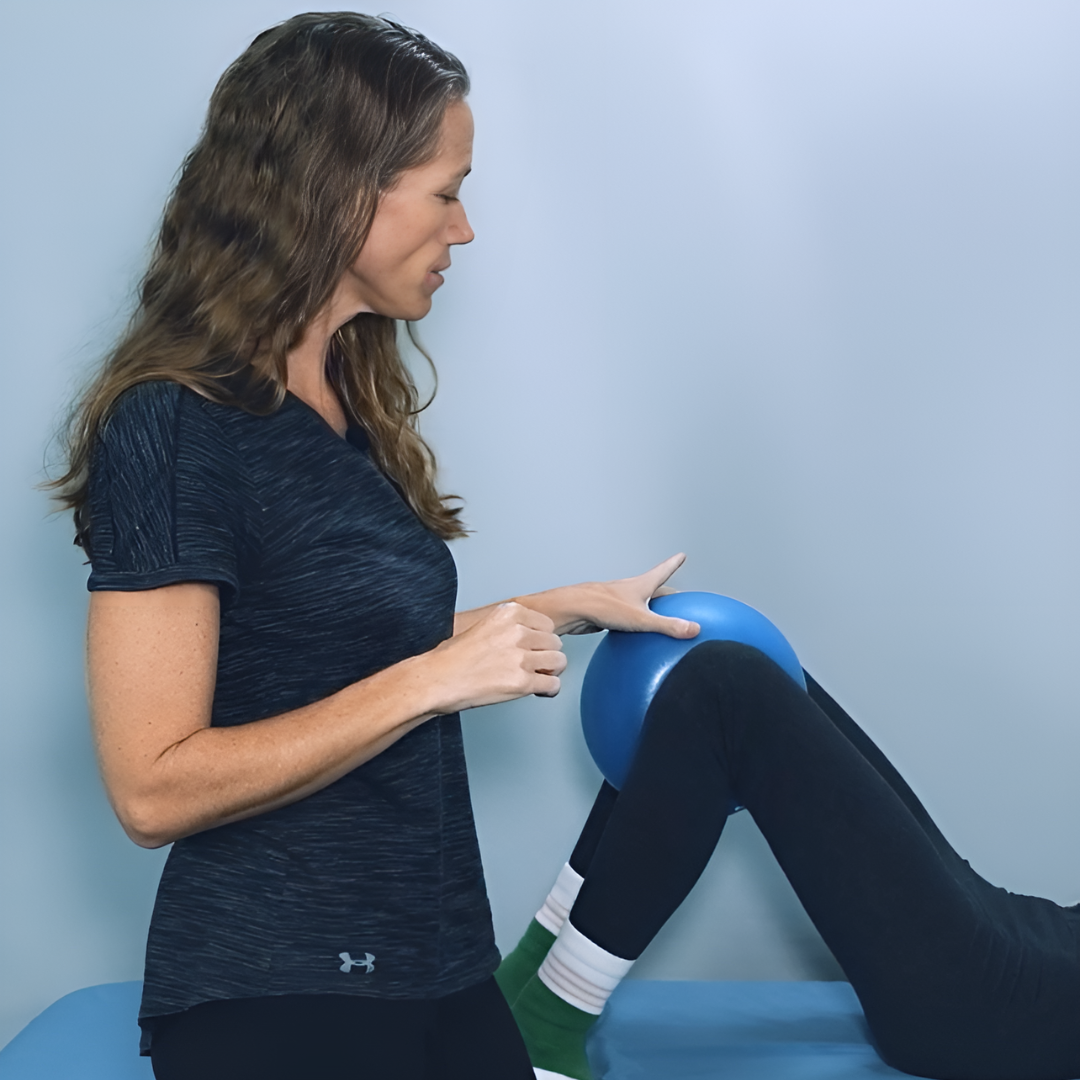

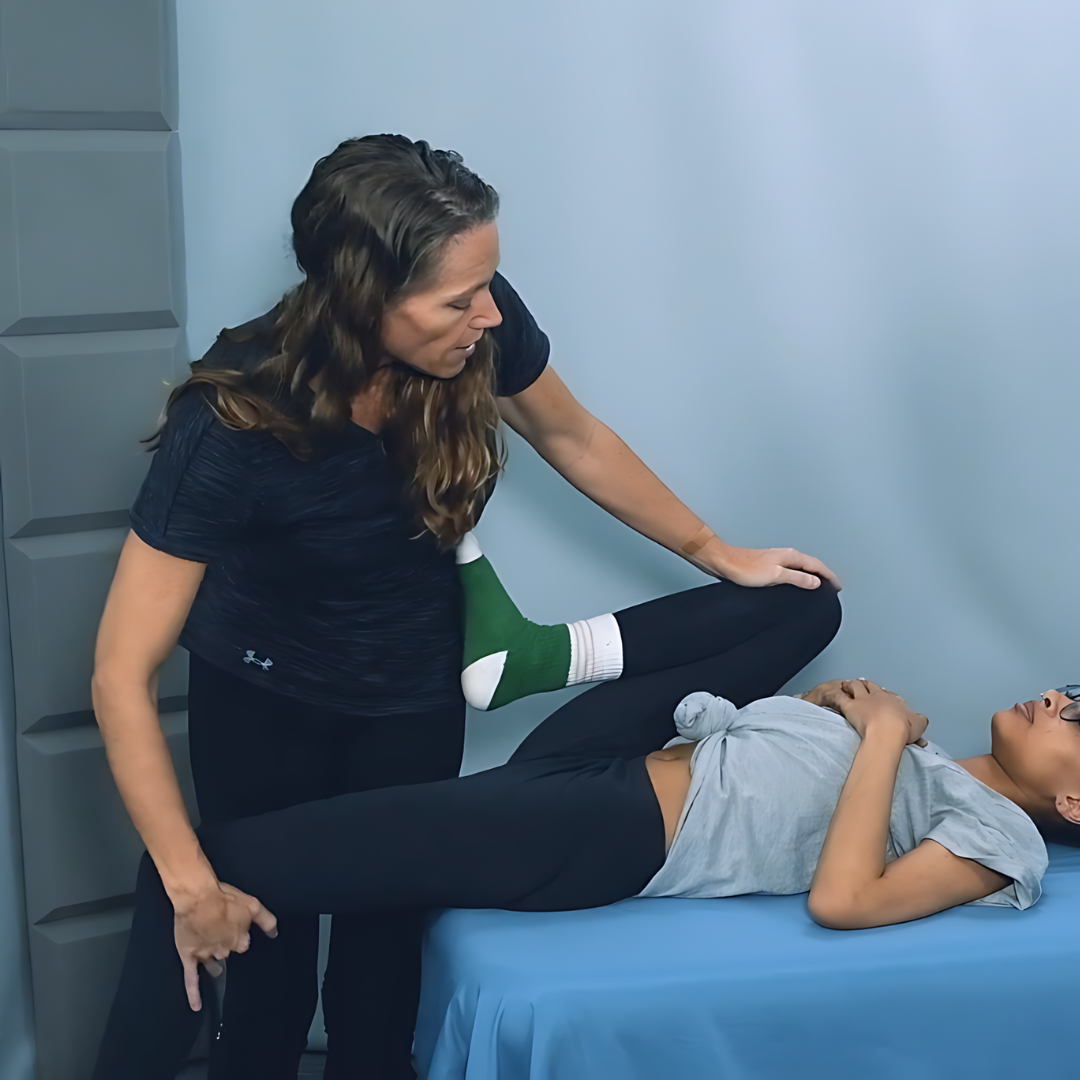

The Vital Multidimensional Psoas (7 hrs)
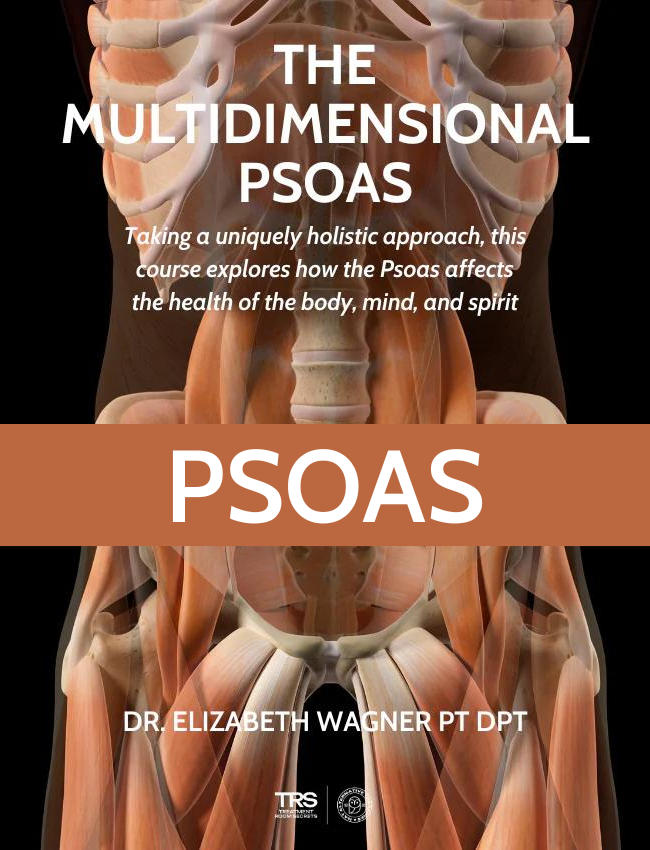
The Vital Multidimensional Psoas
7 Hours CE/CPD | Online Course with Dr. Elizabeth Wagner, DPT
The psoas is often described simply as a hip flexor, but its clinical importance reaches much further.
The Vital Multidimensional Psoas explores the psoas as a complex, multidimensional structure involved in posture, breathing, stabilization, gait, pelvic control, spinal organization, movement compensation, and nervous system regulation.
Presented by Dr. Elizabeth Wagner, DPT, PT, this course helps therapists move beyond simplistic ideas of “tightness” and develop a more integrated understanding of how the psoas functions within the whole movement system.
Course Overview
Across this 7-hour CE/CPD course, participants will explore the psoas in relation to the lumbar spine, pelvis, diaphragm, hips, fascia, breathing mechanics, gait, and functional movement.
The course encourages practitioners to think beyond isolated muscle length and instead consider how psoas-related patterns may involve pressure regulation, trunk control, pelvic stability, postural habits, and compensation strategies.
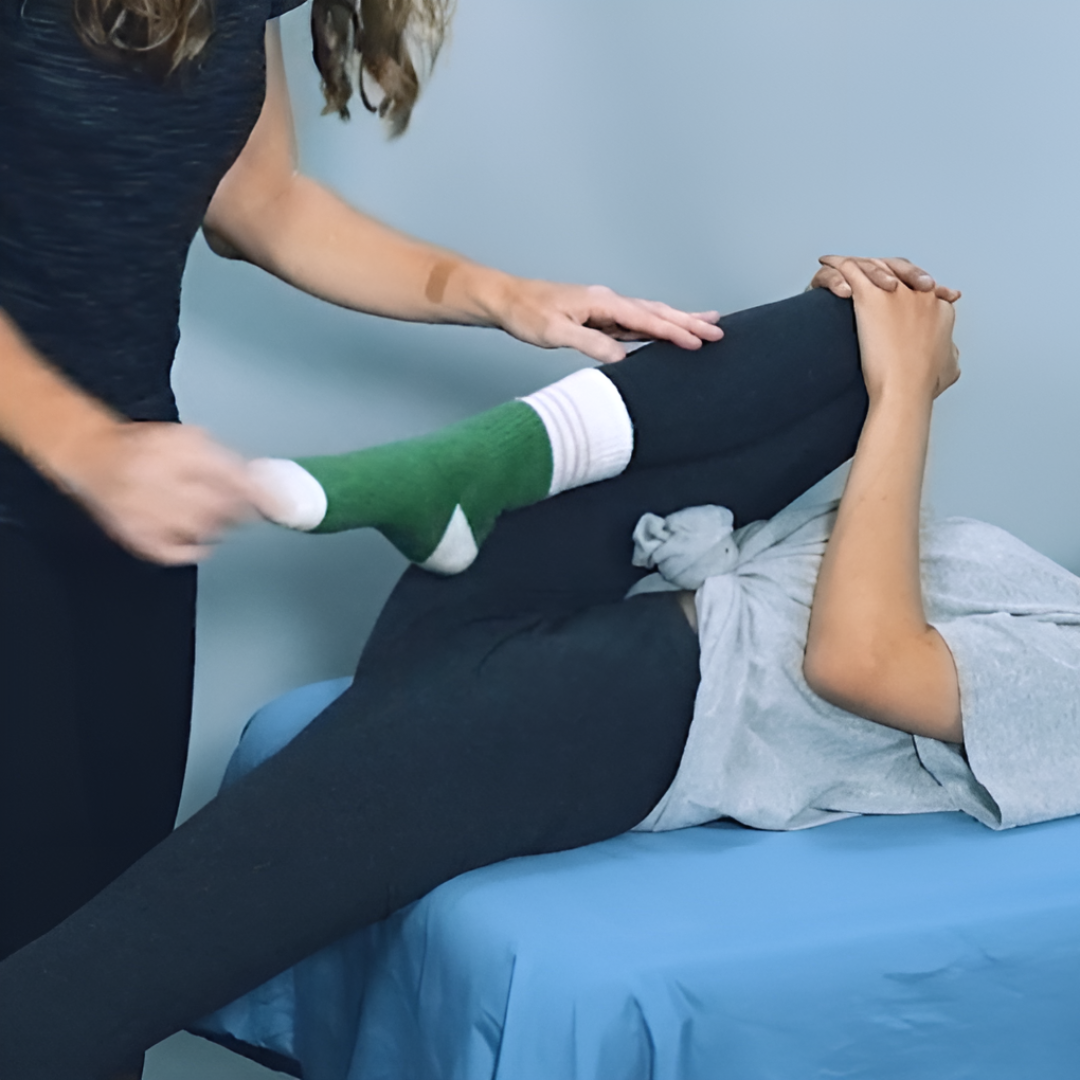
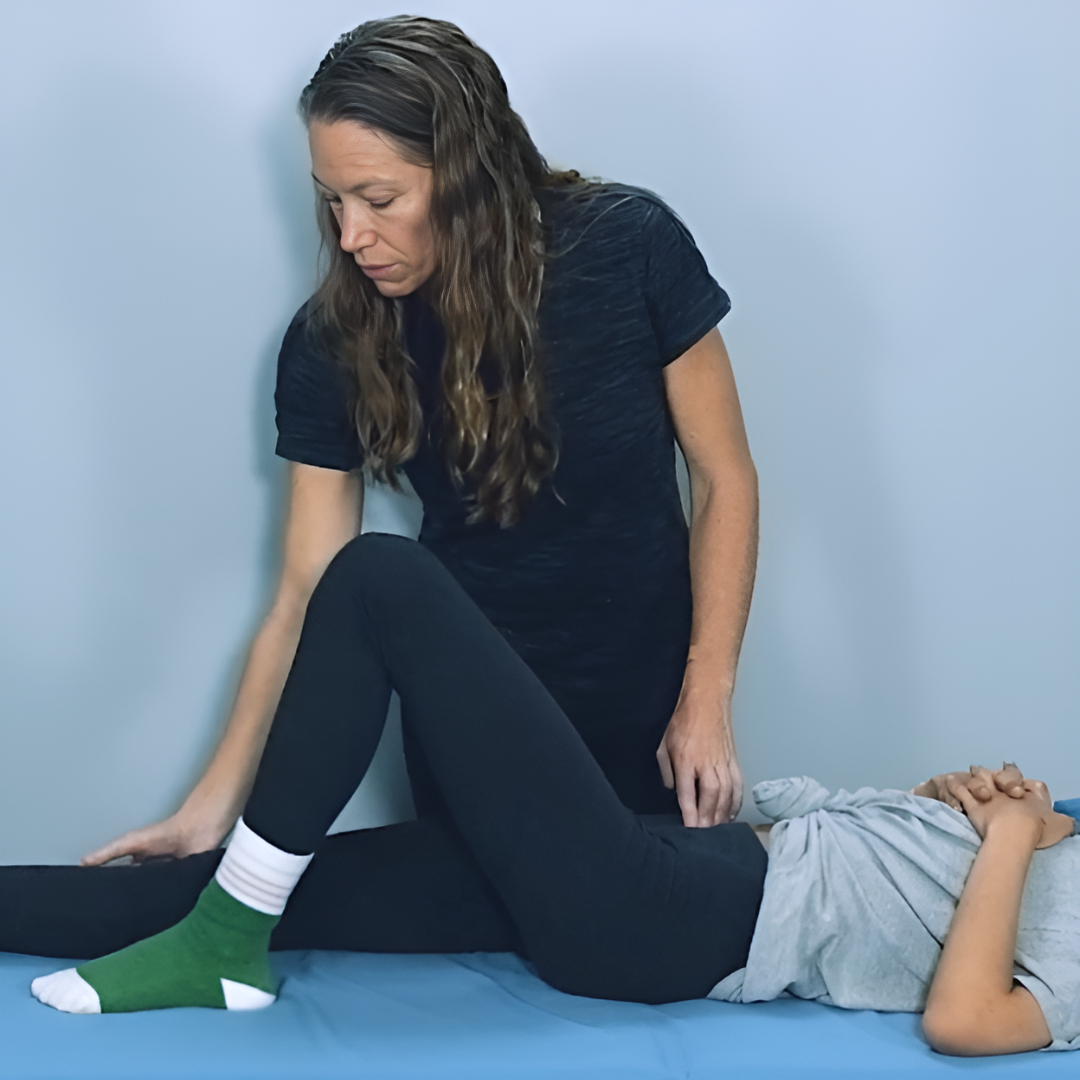
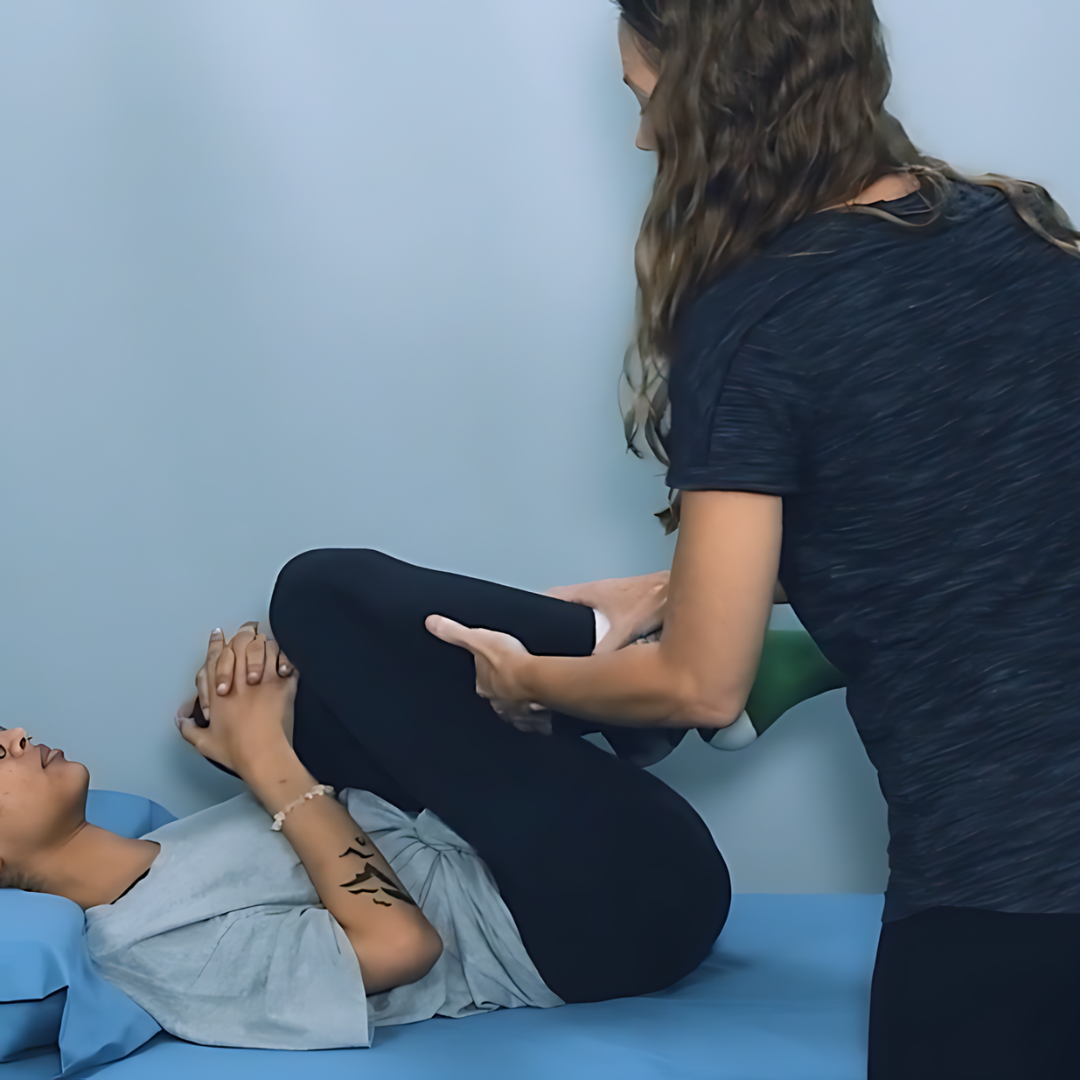
Participants will develop a more thoughtful approach to observing gait, breathing, pelvic control, posture, and movement quality, while learning how to apply movement-based reasoning within manual therapy, stabilization, breathing, and functional retraining.
Supported by extensive video tutorials, an illustrated psoas anatomy workbook, companion course, lesson quizzes, final exam, certificate of completion, and lifetime access, this course provides a practical and integrated learning experience for rehabilitation, movement, and manual therapy professionals.
What You Will Learn
| Topic | Focus |
|---|---|
| Integrated Psoas Anatomy | Understanding the psoas in relation to the lumbar spine, pelvis, diaphragm, hips, and fascia |
| Breathing & Stabilization | Exploring how breathing mechanics, pressure regulation, and trunk control influence psoas function |
| Posture & Compensation | Recognising how postural habits and movement adaptations may involve the psoas |
| Clinical Assessment | Observing gait, breathing, pelvic control, and movement quality with greater clarity |
| Therapeutic Integration | Applying movement-based reasoning to manual therapy, stabilization, breathing, and functional retraining |
Course Content
The course combines integrated psoas anatomy, breathing mechanics, postural assessment, gait observation, pelvic control, stabilization principles, and functional rehabilitation strategies.
| Module | Focus |
|---|---|
| The Psoas as a Multidimensional Structure | Moving beyond the idea of the psoas as simply a hip flexor |
| Anatomy, Fascia & Spinal Organization | Understanding relationships between the psoas, lumbar spine, pelvis, diaphragm, hips, and fascia |
| Breathing, Pressure & Stabilization | Exploring breathing mechanics, pressure regulation, trunk control, and nervous system regulation |
| Gait, Pelvic Control & Movement Quality | Observing gait, pelvic control, compensation, and movement patterns involving the psoas |
| Clinical Reasoning & Treatment Integration | Applying psoas-related reasoning within manual therapy, movement retraining, and rehabilitation |
Who This Course Is For
This course is designed for qualified healthcare, rehabilitation, movement, and manual therapy professionals who want a deeper understanding of the psoas and its role in whole-body function.
It is suitable for massage therapists, bodyworkers, physical therapists, physiotherapists, osteopaths, manual therapists, athletic trainers, rehabilitation professionals, chiropractors, Pilates teachers, yoga teachers, and movement professionals.
It is especially valuable for practitioners working with clients who present with low back pain, hip restriction, pelvic instability, altered gait, postural fatigue, compensation patterns, or movement control challenges.
About Dr. Elizabeth Wagner
Dr. Elizabeth Wagner DPT is a highly accomplished physical therapist with a Doctorate in Physical Therapy from the University of Washington and a Bachelor’s degree in Psychology from the University of Puget Sound.
Her postgraduate expertise includes vestibular rehabilitation, Mechanical Diagnosis and Therapy, movement education, functional rehabilitation, and integrated patient care.
In 2016, Elizabeth undertook a one-year sabbatical through South America and Asia, including volunteer assignments in Bhutan and Vietnam where she served as a clinical and academic instructor for local physical therapy staff.
She brings a thoughtful, movement-focused, globally informed clinical perspective to NAT Global Campus, helping therapists deepen their understanding of functional movement, rehabilitation, and integrated patient care.
Included With This Course
| Included | Details |
|---|---|
| Video Tutorials | Extensive video instruction presented by Dr. Elizabeth Wagner, DPT |
| Illustrated Psoas Anatomy Workbook | Supporting workbook covering psoas anatomy, movement, assessment, and functional integration |
| Companion Course | Structured online lessons designed to reinforce and deepen course understanding |
| Lesson Quizzes | Reflective learning quizzes designed to reinforce learning throughout the course |
| Final Exam | Assessment included for course completion |
| Certificate | 7 Hours CE/CPD following successful completion |
| Lifetime Access | Study at your own pace and revisit the material whenever required |
CE Finder
This course has been approved for continuing education by numerous professional boards and associations worldwide. Scroll sideways to find your board or association.
Approvals Listed: 94
CE Broker Provider: #20-1050416
7
7
7
7
7
7
7
7
7
7
7
7
5
2
5
7
7
7
7
3.5
7
7
7
7
7
7
7
7
7
7
7
7
7
7
7
7
7
7
7
7
7
7
7
7
7
7
7
7
7
7
7
7
7
7
7
7
5
7
7
7
7
7
7
7
7
7
7
7
7
7
7
7
7
7
7
7
7
7
7
7
7
7
7
7
7
7
7
7
7
7
7
7
7
7
Approval requirements can change. Please confirm acceptance with your own board, association, employer, or regulatory authority before registration.
The Vital Multidimensional Psoas
Professional Reviews & Feedback
The reviews below represent feedback provided by students and practitioners through Trustpilot, Google Reviews, and Judge.me.
“Dr. Wagner explains the psoas in a way that finally makes its role in posture, movement, and pain patterns easy to understand.”
“The course helped me connect hip flexor function, pelvic position, gait, and lower back symptoms much more clearly.”
“I appreciated the practical approach. The psoas can be confusing, but this course made the anatomy and function feel clinically useful.”
“The demonstrations gave me a better framework for assessing psoas involvement without over-assuming its role.”
“This course changed how I think about hip mobility, core control, and lower back discomfort.”
“Dr. Wagner’s teaching is clear, organised, and grounded in functional movement.”
“The material helped me understand why the psoas is so often discussed, but also why it needs to be assessed carefully.”
“I found the sections on pelvic stability and lumbar mechanics especially helpful.”
“A useful course for therapists working with hip restriction, lower back pain, and movement compensation.”
“The explanations around psoas anatomy, attachments, and function were clear and clinically meaningful.”
“The course helped me avoid simplistic ‘tight psoas’ explanations and look at the client more fully.”
“Dr. Wagner connects anatomy, movement, and treatment planning in a way that is easy to apply.”
“The movement examples gave me practical ideas for supporting clients with hip and trunk control issues.”
“This course improved how I assess hip flexor dominance and compensatory movement patterns.”
“The content was well paced and directly relevant to manual therapy, rehabilitation, and corrective exercise.”
“I appreciated the balanced tone. The course explains why the psoas matters without making it the answer to everything.”
“A practical course that helped me understand the psoas as part of the whole body rather than an isolated muscle.”
“The material gave me more confidence discussing psoas function with clients in clear, non-alarming language.”
“Dr. Wagner makes the anatomy feel relevant, practical, and connected to real movement problems.”
“A strong course for therapists who want to better understand psoas function, pelvic control, and lower back mechanics.”