


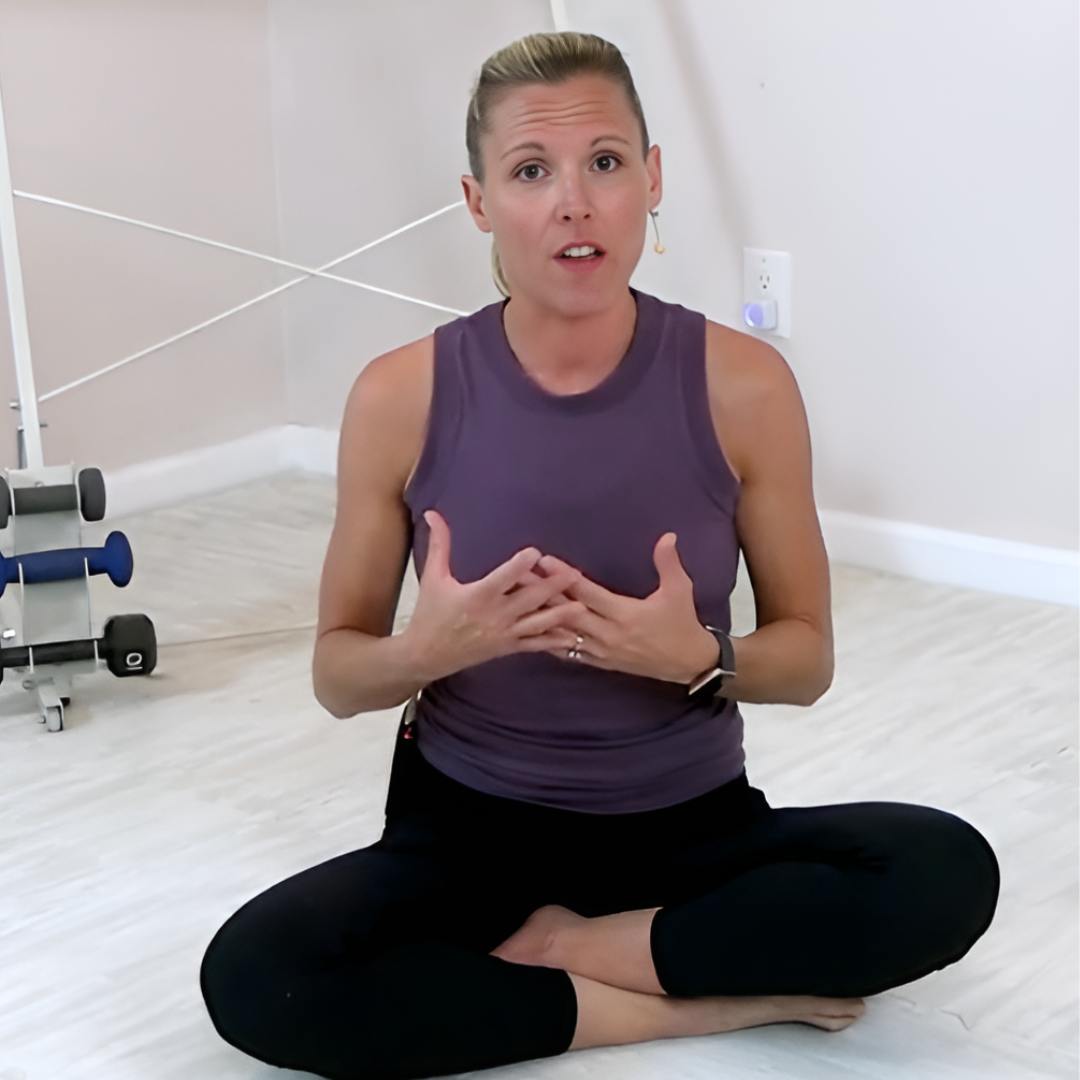
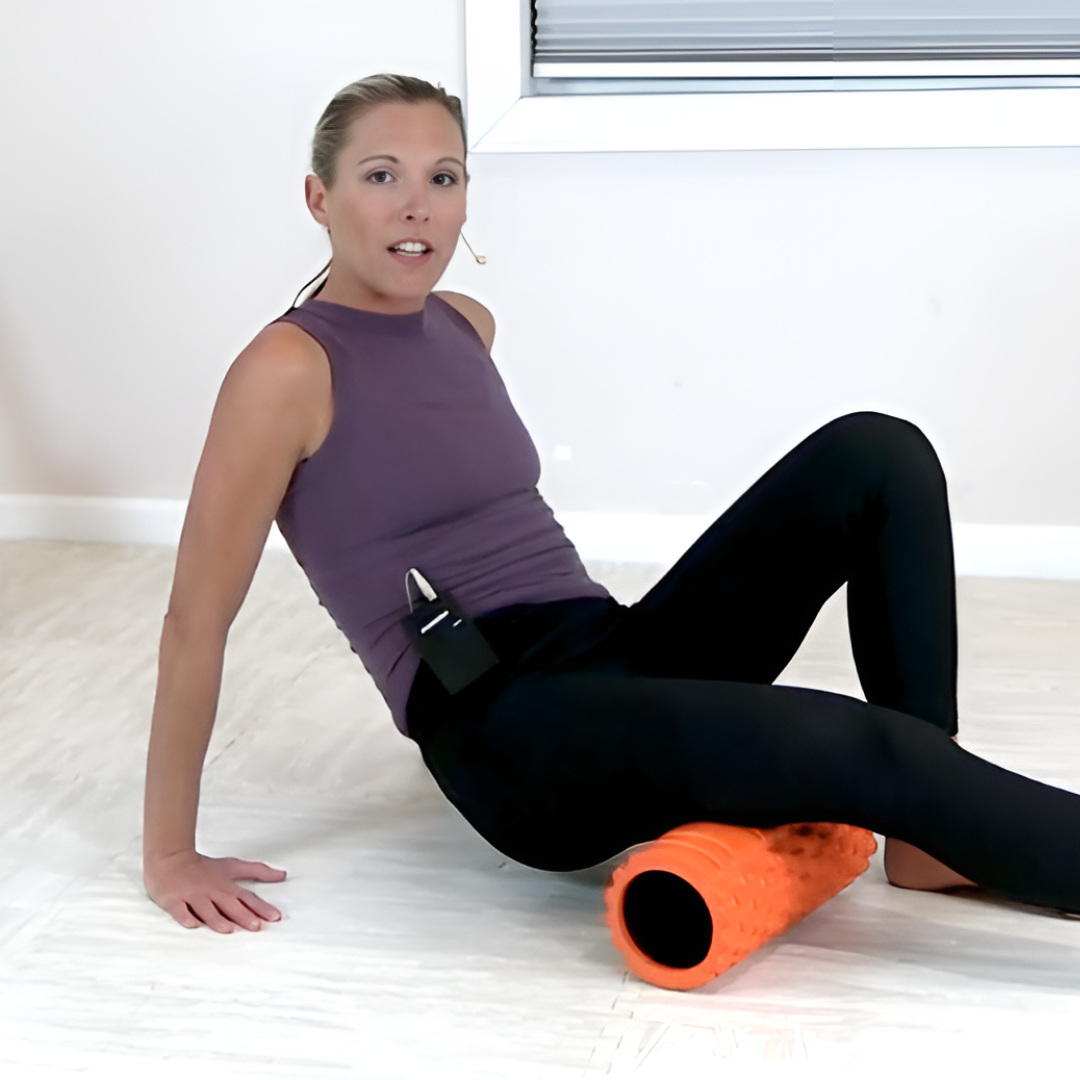
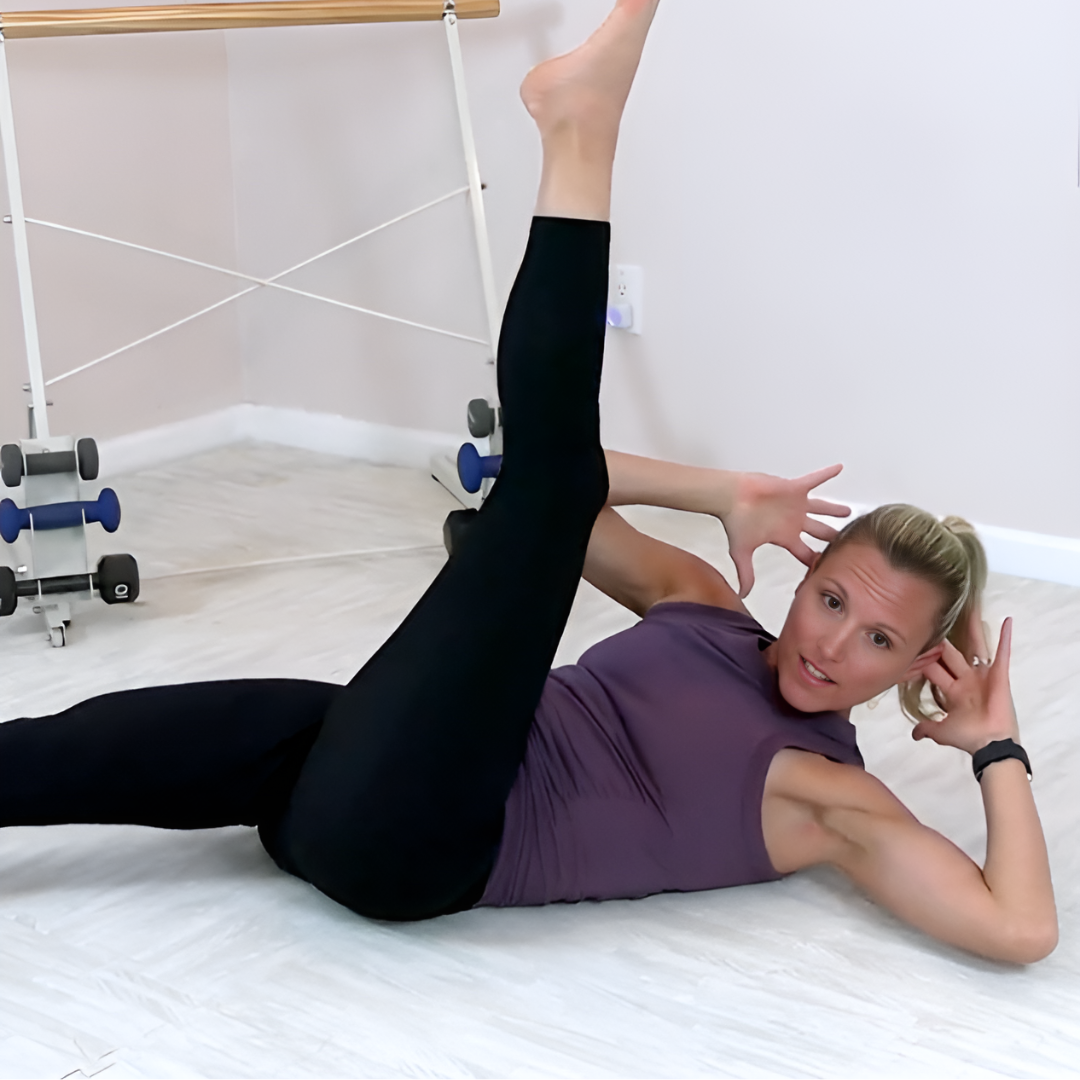


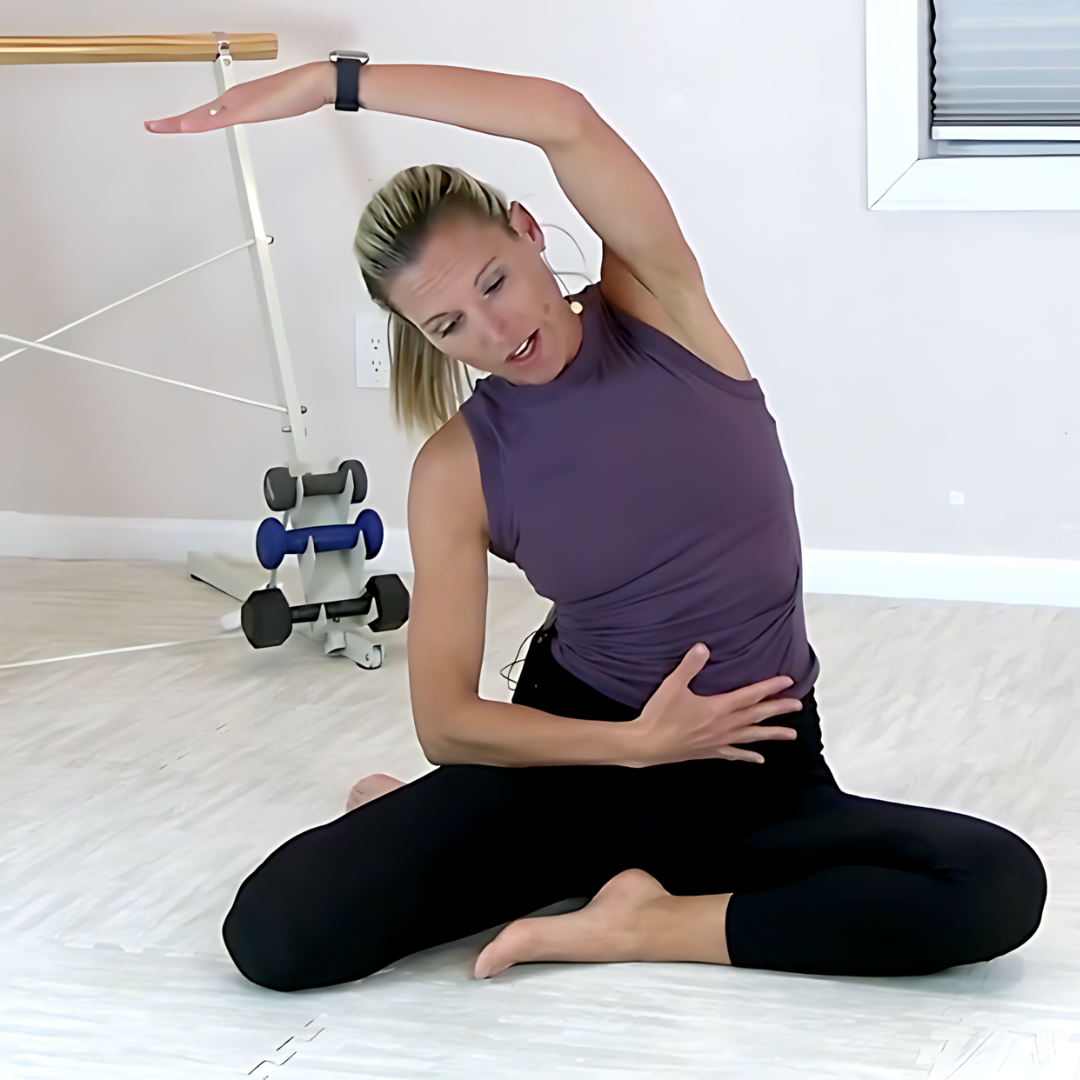
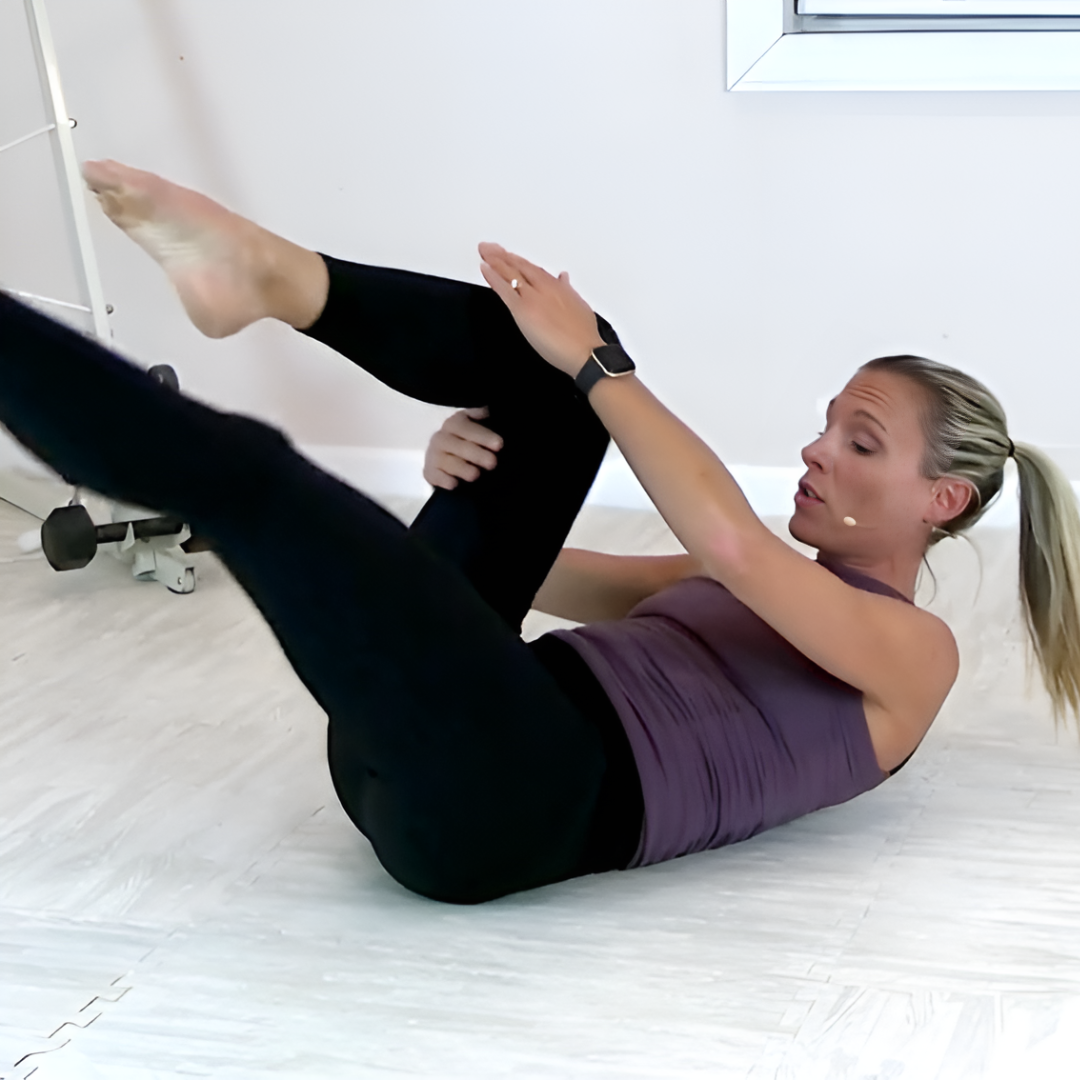
Pilates Principles - Pilates Foundation Course (6 hrs)
Pilates Principles: Pilates Foundation Course
6 Hours CE/CPD | Online Course with Karen Vizueta
Pilates is built on principles that support movement quality, core control, breathing, balance, concentration, and functional coordination.
Pilates Principles: Pilates Foundation Course combines current research around core stabilization with the six fundamental Pilates principles to help practitioners support more comfortable, efficient, and pain-free movement.
Presented by Karen Vizueta, this course provides Pilates practitioners, massage therapists, manual therapists, rehabilitation professionals, and movement specialists with a practical foundation in core function, stabilization, breathing, fascia, neuroplasticity, and movement retraining.
Course Overview
Across this 6-hour CE/CPD course, participants will explore how the core functions and how stabilization may help support healthier movement patterns through balanced muscle activity, joint alignment, breath control, and improved body awareness.
The course introduces the six fundamental Pilates principles: Centering, Concentration, Control, Precision, Breath, and Flow. These principles are explored through the lens of current research on neuroplasticity, fascia, movement habits, and functional rehabilitation.
Students will learn how breathing techniques, self-myofascial release, core control, and movement awareness can support the parasympathetic nervous system, help identify habitual movement patterns, and promote improved functional balance.
Supported by video classes, a fully illustrated course text, companion course, lesson quizzes, online exam, certificate of completion, subtitles, and lifetime access, this course provides a structured and practical introduction to Pilates-based movement principles.
What You Will Learn
| Topic | Focus |
|---|---|
| Six Pilates Principles | Understanding Centering, Concentration, Control, Precision, Breath, and Flow |
| Functional Core Control | Exploring how the core should operate to support efficient and pain-free movement |
| Breathing & Myofascial Balance | Learning how breathing can help balance deep and superficial myofascial systems |
| Neuroplasticity & Movement Habits | Understanding how the brain adapts and how daily habituation may influence posture and movement |
| Self-Myofascial Release | Using self-myofascial release techniques to support relaxation, recovery, and parasympathetic activity |
| Movement Restoration | Applying Pilates principles to restore functional balance and promote optimal movement patterns |
Course Content
The course combines Pilates principles, core stabilization, functional anatomy, fascia education, neuroplasticity, breathing strategies, self-myofascial release, and movement retraining.
| Module | Focus |
|---|---|
| Foundations of Pilates Principles | Introducing the six fundamental principles and their role in movement quality |
| Functional Anatomy of the Pilates Core | Understanding core function, stabilization, joint alignment, and balanced muscle activity |
| Breath, Fascia & Myofascial Systems | Using breath and body awareness to support deep and superficial myofascial balance |
| Neuroplasticity and Movement Re-Education | Exploring how new movement patterns can be learned and reinforced |
| Self-Myofascial Release and Nervous System Support | Applying self-care strategies that may promote relaxation and parasympathetic tone |
| Clinical and Movement Integration | Using Pilates principles to support posture, movement quality, and functional balance |
Who This Course Is For
This course is suitable for rehabilitation professionals, massage therapists, manual therapists, physical therapists, physical therapist assistants, occupational therapists, occupational therapy assistants, athletic trainers, exercise professionals, fitness professionals, Pilates practitioners, and movement educators.
It is especially valuable for practitioners who want to better understand core function, stabilization, movement habits, breathing, fascia, and Pilates-based strategies for supporting pain-free movement.
About Karen Vizueta
Karen Vizueta graduated with honors and holds a BSc in Communications from the University of Rhode Island.
Her professional certifications and training include STOTT Pilates Mat and Reformer, NASM CPT, AFAA Primary Group Exercise, AFAA Step, TRX, BOSU Kids, and Precision Nutrition Level 1.
She is also trained in Balanced Body Jumpboard, Power House Pilates Integrated Tower, and IMX Pilates Mat and Reformer, bringing a broad and practical movement background to her teaching.
Included With This Course
| Included | Details |
|---|---|
| Video Classes | Online video instruction presented by Karen Vizueta |
| Fully Illustrated Course Text | Functional Anatomy of the Pilates Core with full-colour illustrations and quick-reference learning format |
| Companion Course | Structured companion lessons designed to reinforce and deepen course understanding |
| Lesson Quizzes | Knowledge checks designed to reinforce learning throughout the course |
| Online Exam | Multiple-choice assessment included for successful completion |
| Certificate | 6 Hours CE/CPD following successful completion |
| Lifetime Access | Study at your own pace and revisit the material whenever required |
| Subtitles | English, French, German, and Spanish subtitles included |
CE Finder
This course has been approved for continuing education by numerous professional boards and associations worldwide. Scroll sideways to find your board or association.
Approvals Listed: 65
CE Broker Provider: #20-896448
6
6
6
6
6
6
6
6
6
6
2.4
6
6
6
6
6
3
6
6
6
6
6
6
6
6
6
6
6
6
6
6
6
6
6
6
6
6
6
6
6
6
6
6
6
6
6
6
6
6
6
6
6
6
6
6
6
6
6
6
6
6
6
6
6
6
Approval requirements can change. Please confirm acceptance with your own board, association, employer, or regulatory authority before registration.
Pilates Principles
Professional Reviews & Feedback
The reviews below represent feedback provided by students and practitioners through Trustpilot, Google Reviews, and Judge.me.
“Karen Vizuetta explains the foundations of Pilates in a way that is clear, practical, and easy to apply with clients.”
“The course helped me understand the Pilates principles as a movement framework, not just a set of exercises.”
“I appreciated the focus on breath, control, precision, and movement quality throughout the course.”
“A very useful foundation course for therapists who want to better understand Pilates-based movement.”
“Karen’s teaching style is calm and organised. The material felt accessible even without a strong Pilates background.”
“The course gave me practical language for explaining core control and movement awareness to clients.”
“The six Pilates principles were explained clearly and connected to real movement practice.”
“I found the sections on concentration, control, and flow especially useful for client education.”
“The course helped me see how Pilates can support posture, stability, balance, and functional movement.”
“A thoughtful introduction to Pilates foundations with strong relevance for rehabilitation and movement professionals.”
“The movement demonstrations were easy to follow and helped connect the principles to practical application.”
“I appreciated the focus on controlled, intelligent movement rather than simply performing routines.”
“This course gave me a better understanding of how Pilates principles can support core stability and body awareness.”
“Karen presents the material professionally and makes the foundational concepts easy to remember.”
“The course helped me integrate Pilates-inspired cues into my existing treatment and movement sessions.”
“I liked the emphasis on breath, alignment, and mindful movement as part of functional rehabilitation.”
“A practical, well-paced course that makes Pilates principles relevant for both therapists and movement educators.”
“The foundation material was clear without feeling basic. It gave me a stronger appreciation of Pilates as a system.”
“The course improved how I think about movement control, breathing, and stability in client care.”
“An excellent Pilates foundation course for professionals interested in movement, rehabilitation, and client education.”