


Biodynamic Craniosacral Therapy (7 hrs)
Biodynamic Craniosacral Therapy
7 Hours CE/CPD | Online Course with John Wilks MA RCST FRSA
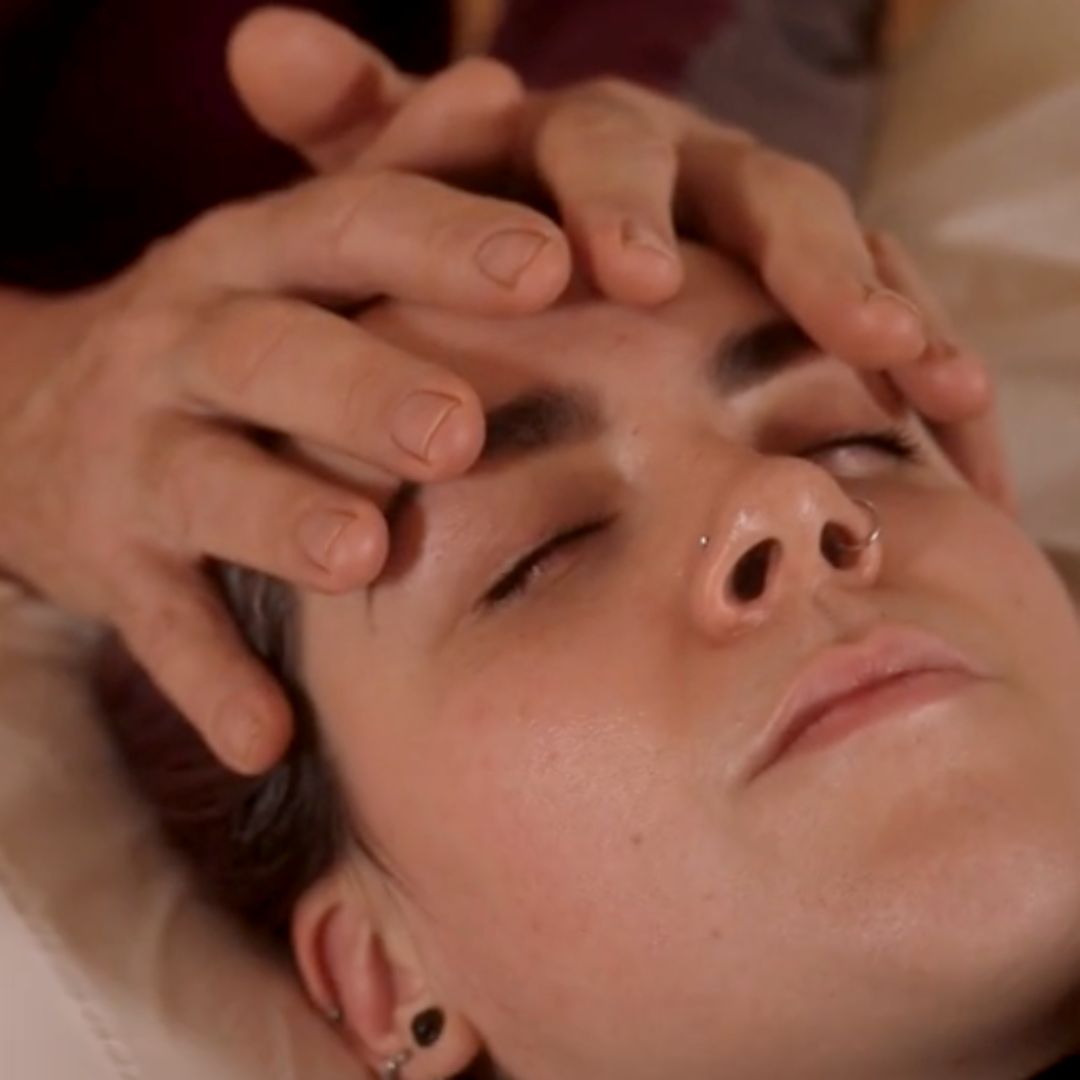
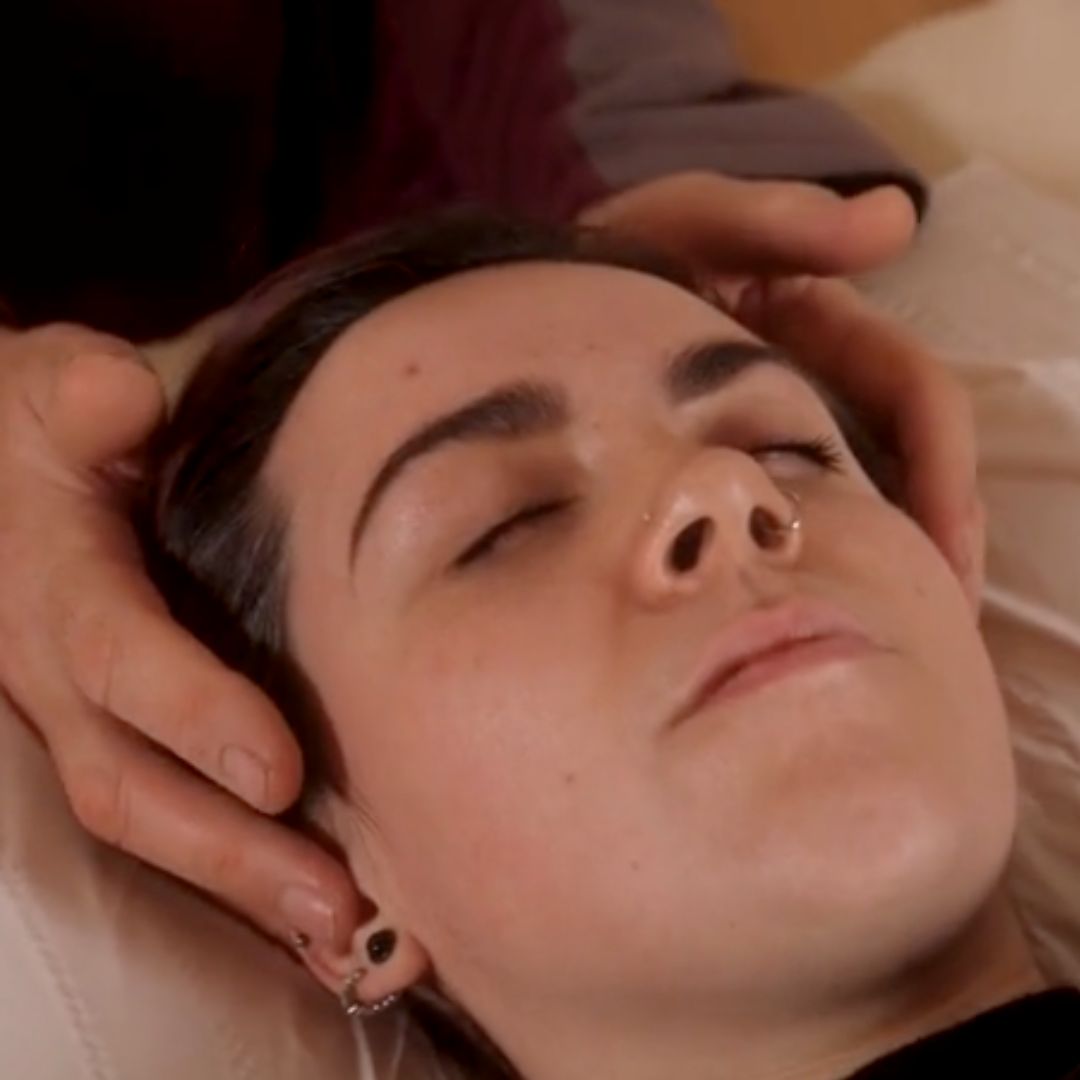
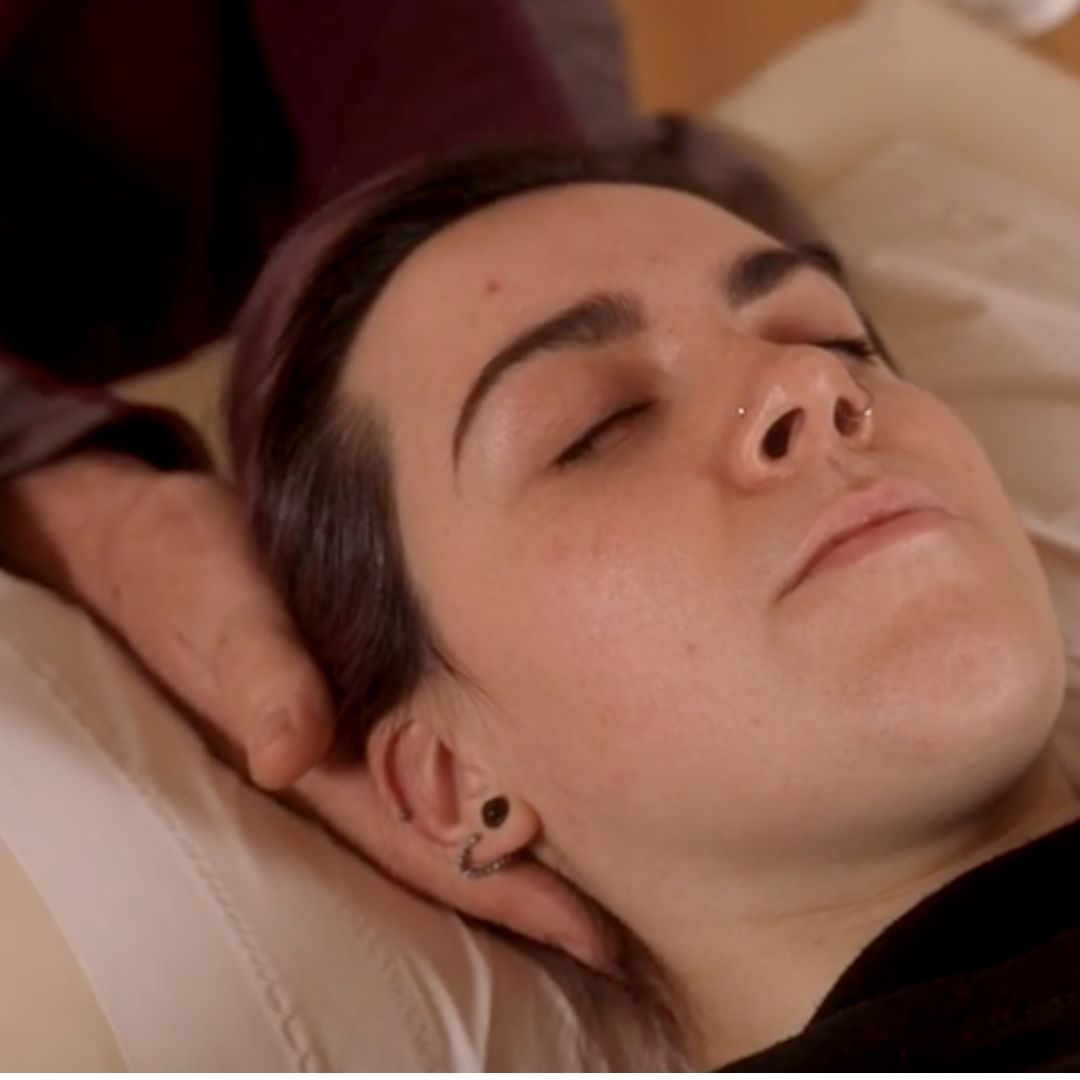
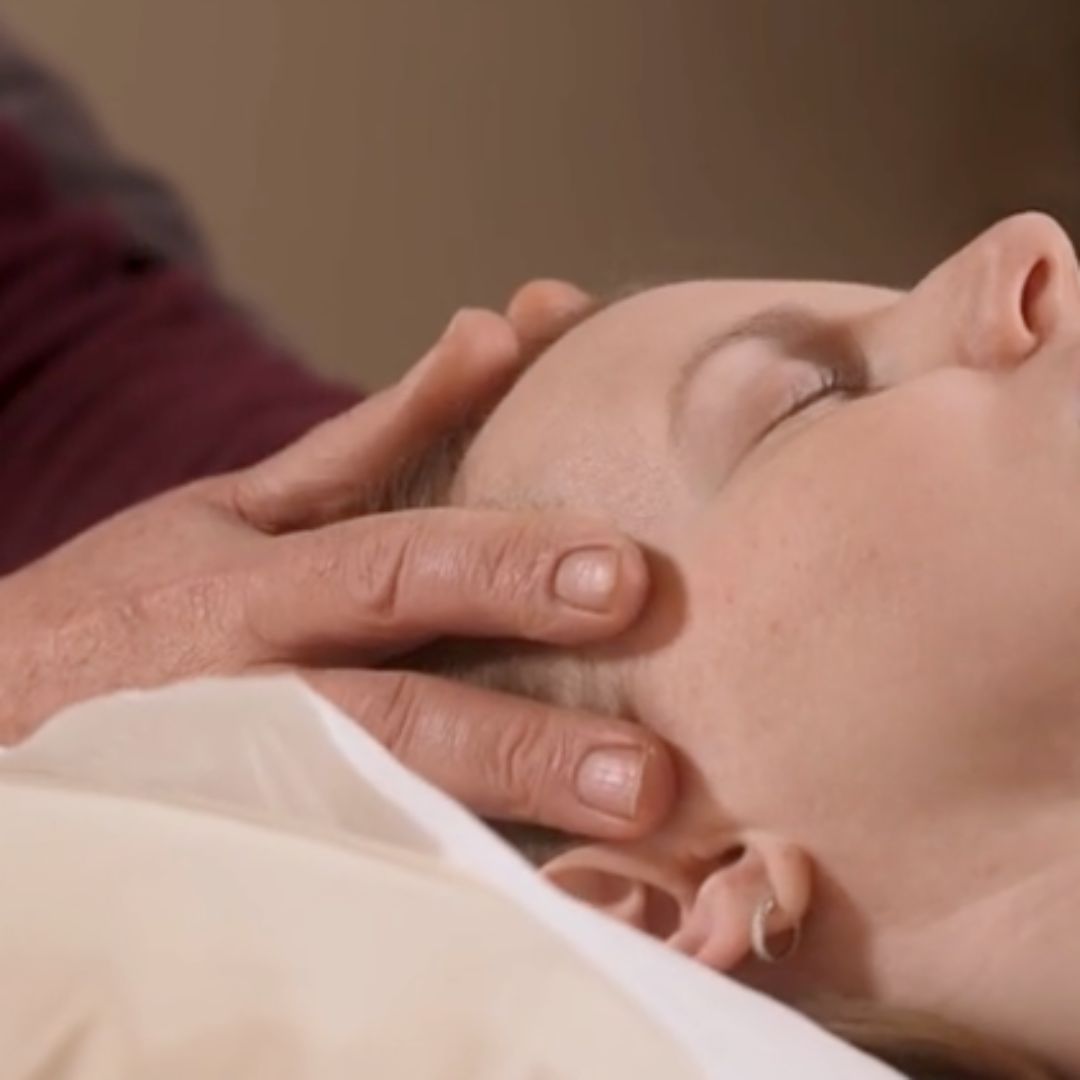
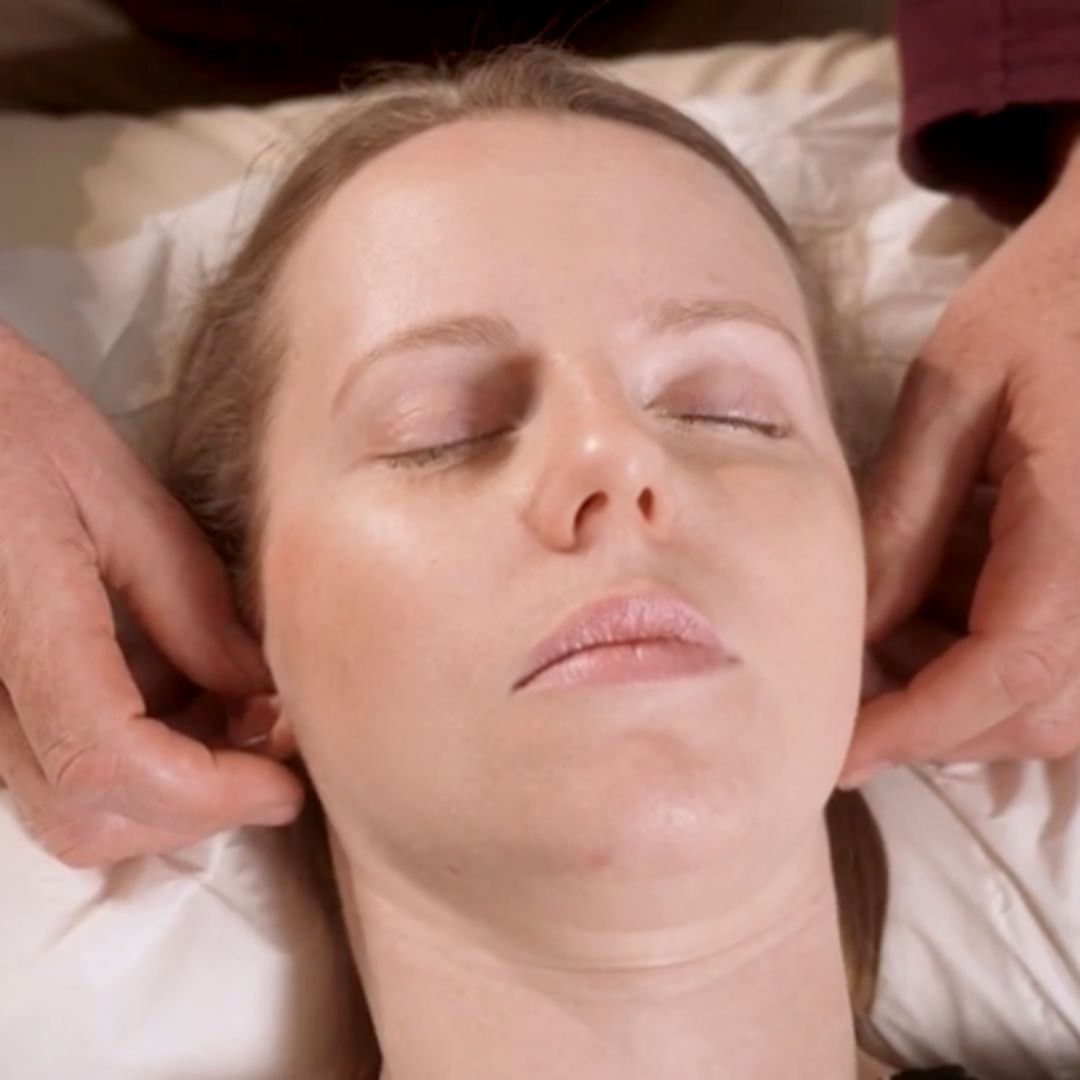
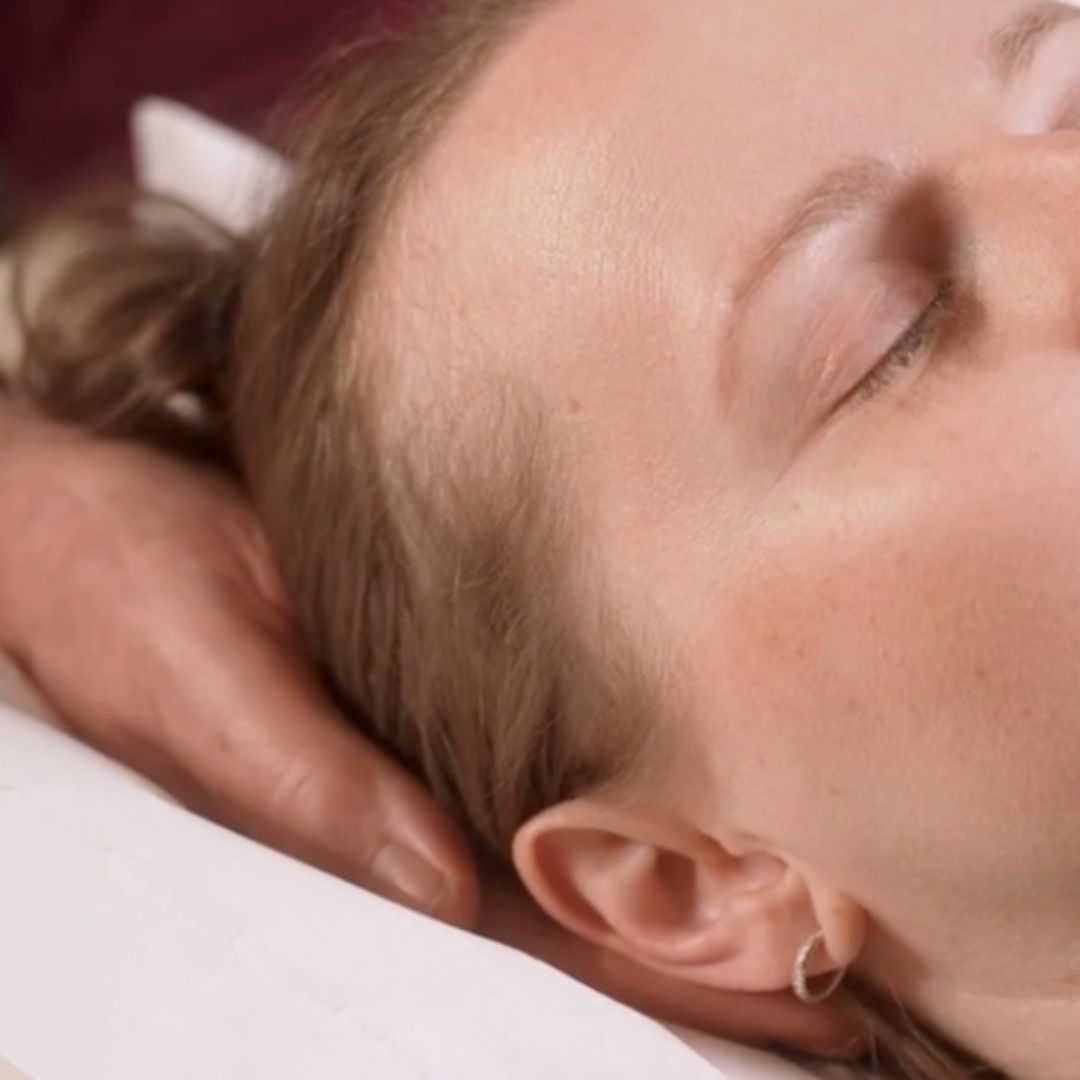
Biodynamic Craniosacral Therapy is a gentle, subtle, and deeply attentive approach to bodywork that emphasizes therapeutic presence, nervous system regulation, and whole-person care.
Biodynamic Craniosacral Therapy is a comprehensive online course with John Wilks MA RCST FRSA that introduces practitioners to the foundational principles, presence, and practical application of this gentle therapeutic approach.
The course is designed to help healthcare and bodywork professionals develop a clearer understanding of stillness, neutrality, refined listening, and respectful therapeutic contact, while supporting the body’s innate capacity for balance, regulation, and healing.
Course Overview
Across this 7-hour CE/CPD course, John Wilks introduces the essential principles of Biodynamic Craniosacral Therapy, including Primary Respiration, the Breath of Life, the fluid body, inherent health, therapeutic presence, and subtle palpation.
The emphasis is on developing a more spacious, sensitive, and client-centred way of working rather than simply learning a set of techniques. Participants are encouraged to understand the therapeutic importance of stillness, neutrality, practitioner awareness, and gentle contact.
The course brings together professionally produced video tutorials, a comprehensive digital workbook, and a Clinical Companion Course designed to reinforce key concepts, support reflection, and help practitioners integrate the learning more confidently into practice.
What You Will Learn
| Topic | Focus |
|---|---|
| Biodynamic Foundations | Core concepts including Primary Respiration, the Breath of Life, the fluid body, and inherent health |
| Therapeutic Presence | Stillness, neutrality, non-doing, practitioner awareness, and respectful contact |
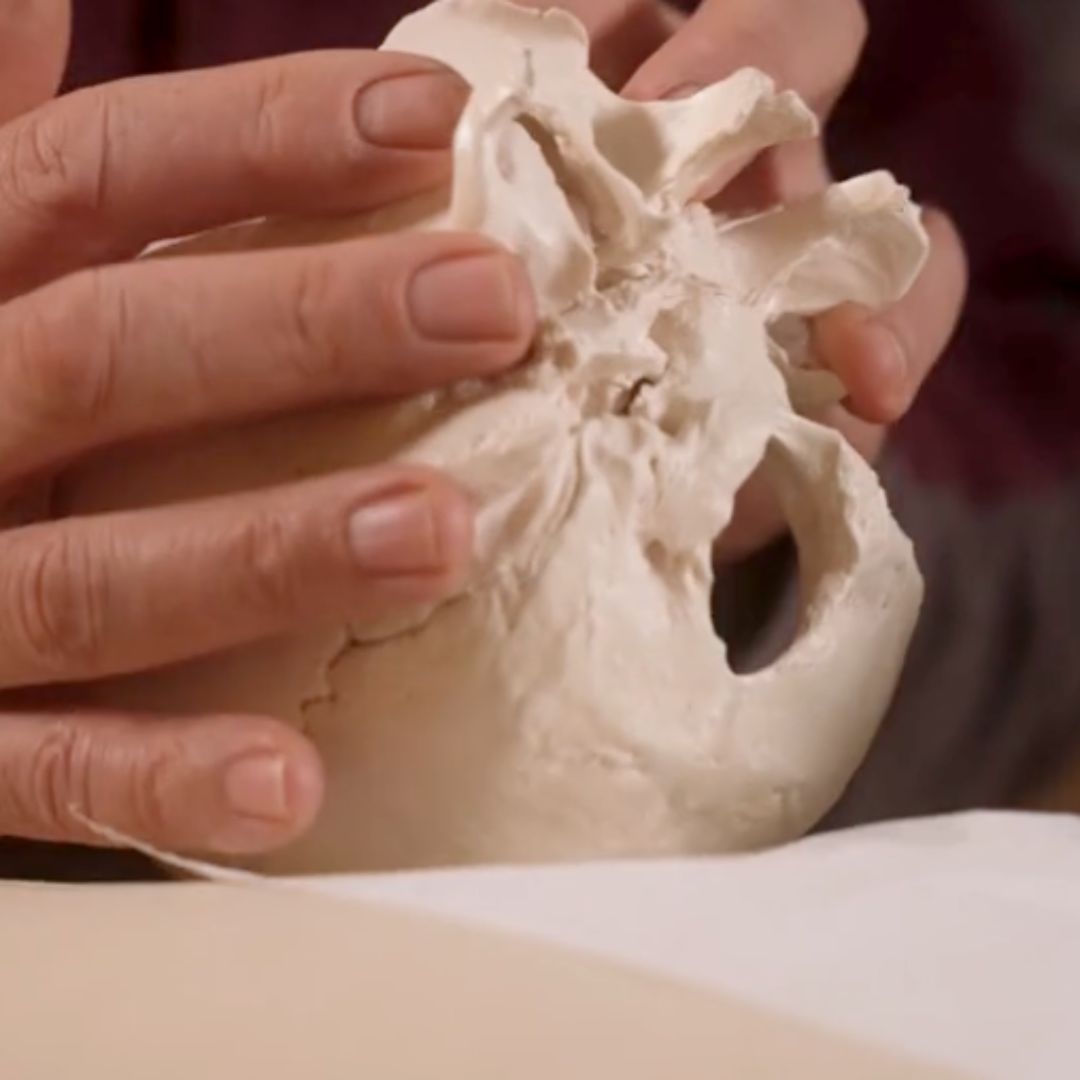
| Subtle Palpation | Developing refined listening skills and greater sensitivity to subtle rhythms and expressions within the body |
| Nervous System Support | How gentle, non-invasive contact may support regulation, calm, and therapeutic connection |
| Clinical Integration | Applying biodynamic principles responsibly within professional practice and scope of work |
Course Content
The course combines foundational teaching, practical demonstrations, workbook study, and companion learning material. The content is designed to help practitioners understand both the principles behind Biodynamic Craniosacral Therapy and the therapeutic qualities that support this subtle work in practice.
| Module | Focus |
|---|---|
| Foundations of Biodynamic Craniosacral Therapy | Core principles, therapeutic orientation, and the wider context of biodynamic work |
| Primary Respiration and the Breath of Life | Key biodynamic concepts including the fluid body, inherent health, and subtle rhythmic expression |
| Stillness, Neutrality, and Presence | The practitioner’s role in creating a calm, respectful, and receptive therapeutic environment |
| Subtle Palpation and Listening | Developing sensitivity, awareness, and refined contact in therapeutic practice |
| Nervous System and Whole-Person Care | Exploring the relationship between gentle contact, regulation, and therapeutic connection |
| Clinical Companion Course | Additional learning content designed to reinforce understanding, reflection, and integration |
Who This Course Is For
This course is suitable for massage therapists, manual therapists, bodyworkers, physiotherapists, physical therapists, osteopaths, chiropractors, nurses, and other qualified healthcare or wellness professionals interested in gentle, client-centred therapeutic approaches.
It is especially relevant for practitioners interested in nervous system regulation, trauma-informed bodywork, subtle palpation, therapeutic presence, and whole-person care.
About John Wilks
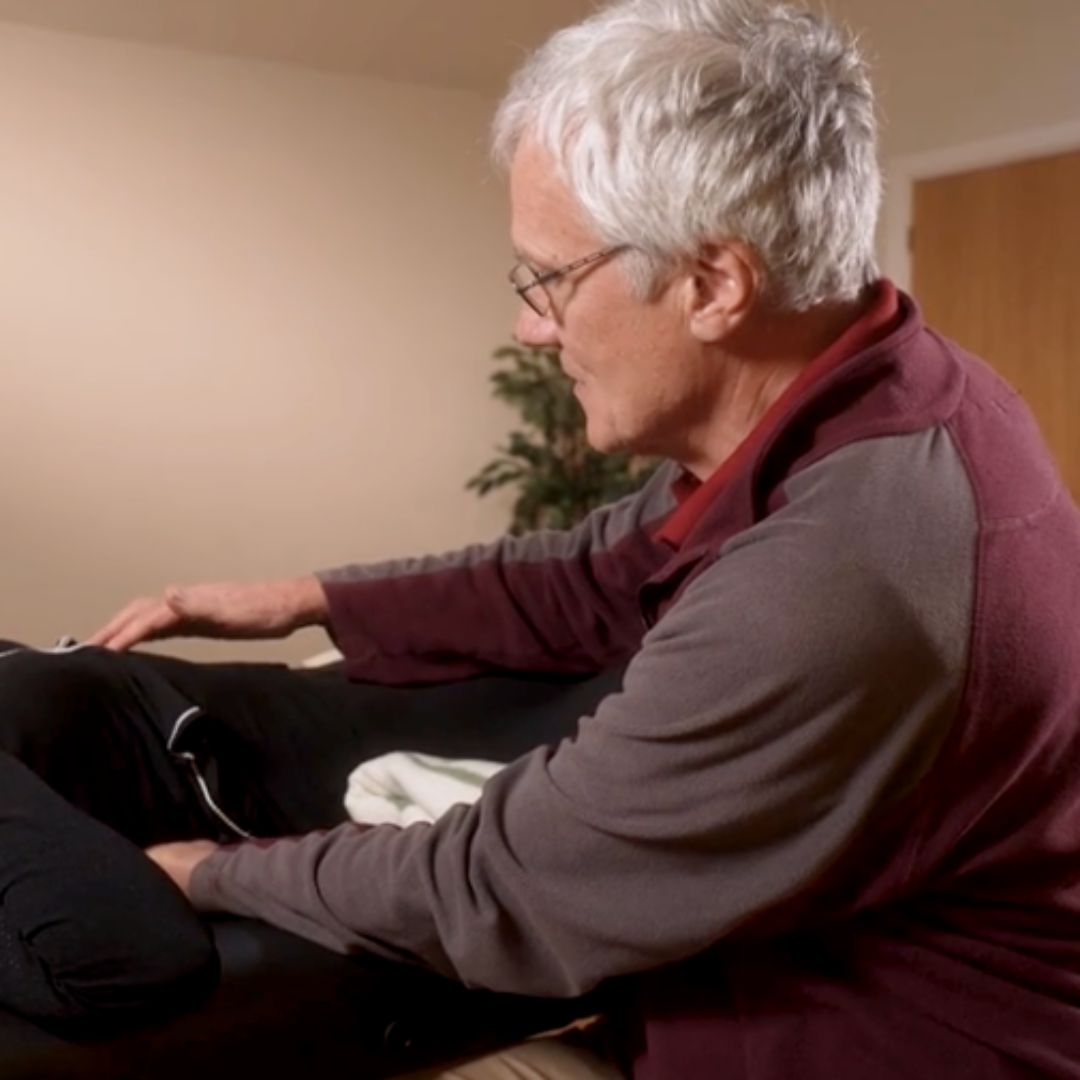
John Wilks MA RCST FRSA is a highly respected Biodynamic Craniosacral Therapy teacher, author, and practitioner with decades of experience in the field.
Known for his clarity, depth, and grounded teaching style, John has helped many practitioners develop a more refined understanding of craniosacral therapy, subtle bodywork, and therapeutic presence.
His teaching brings together practical experience, deep respect for the body’s intelligence, and a thoughtful approach to complex biodynamic concepts, making this course accessible, professionally relevant, and clinically valuable.
Included With This Course
| Included | Details |
|---|---|
| Video Tutorials | Professionally produced video teaching and demonstrations presented by John Wilks |
| Digital Workbook | Comprehensive 160-page workbook for study, review, and ongoing reference |
| Clinical Companion Course | Structured companion learning designed to reinforce key concepts and support integration |
| Online Exam | Assessment included for course completion |
| Certificate | 7 Hours CE/CPD after successful completion |
| Lifetime Access | Study at your own pace and revisit the material anytime |
CE Finder
This course has been approved for continuing education by numerous professional boards and associations worldwide. Scroll sideways to find your board or association.
Approvals Listed: 63
CE Broker Provider: #20-1343556
7
7
7
7
7
7
7
7
7
7
7
7 - Primary
7
7
7
3.5
7
7
7
7
7
7
7
7
7
7
7
7
7
7
7
7
7
7
7
7
7
7
7
7
7
7
7
7
7
7
7
7
7
7
7
7
7
7
7
7
7
7
7
7
7
7
7
Approval requirements can change. Please confirm acceptance with your own board, association, employer, or regulatory authority before registration.
Biodynamic Craniosacral Therapy
Professional Reviews & Feedback
The reviews below represent feedback provided by students and practitioners through Trustpilot, Google Reviews, and Judge.me.
“An excellent introduction to Biodynamic Craniosacral Therapy. The concepts were presented clearly and with appropriate depth.”
“The course helped me better understand the principles of stillness, listening, and therapeutic presence.”
“I appreciated the calm and professional teaching style. The material was both engaging and thought provoking.”
“A valuable course for clinicians interested in broadening their understanding of gentle therapeutic approaches.”
“The explanations of biodynamic principles were far clearer than in any previous training I have attended.”
“This course encouraged me to slow down and observe more carefully. It has influenced my clinical approach in a positive way.”
“The course materials were excellent and supported the video content very well.”
“I found the discussion of self-regulation and therapeutic interaction particularly useful.”
“A thoughtful and professionally presented course that expanded my understanding of craniosacral concepts.”
“The material was presented in a balanced and accessible manner. I learned a great deal.”
“Excellent continuing education. The concepts were introduced progressively and were easy to follow.”
“The course deepened my appreciation for subtle assessment and treatment approaches.”
“One of the most interesting courses I have completed. It encouraged me to think differently about therapeutic interaction.”
“The instructor explained complex ideas in a calm and understandable way. Highly recommended.”
“The course balanced theory and practical application very effectively.”
“I appreciated the emphasis on observation, presence, and clinical awareness.”
“A very professional learning experience. The material was presented with appropriate care and clarity.”
“The biodynamic approach was explained in a way that felt practical rather than overly theoretical.”
“This course has influenced how I approach client interaction and treatment planning.”
“The concepts were presented respectfully and without exaggeration. I appreciated the professional tone.”
“A valuable resource for therapists interested in expanding their understanding of craniosacral work.”
“The course strengthened my appreciation for subtle clinical observations and patient-centred care.”
“Very well organised and easy to navigate. The supporting materials complemented the instruction perfectly.”
“An engaging and professionally delivered course that broadened my perspective on manual therapy.”