
Osteoporosis: Safe Treatment and Rehab Strategies for Better Outcomes (CNE)
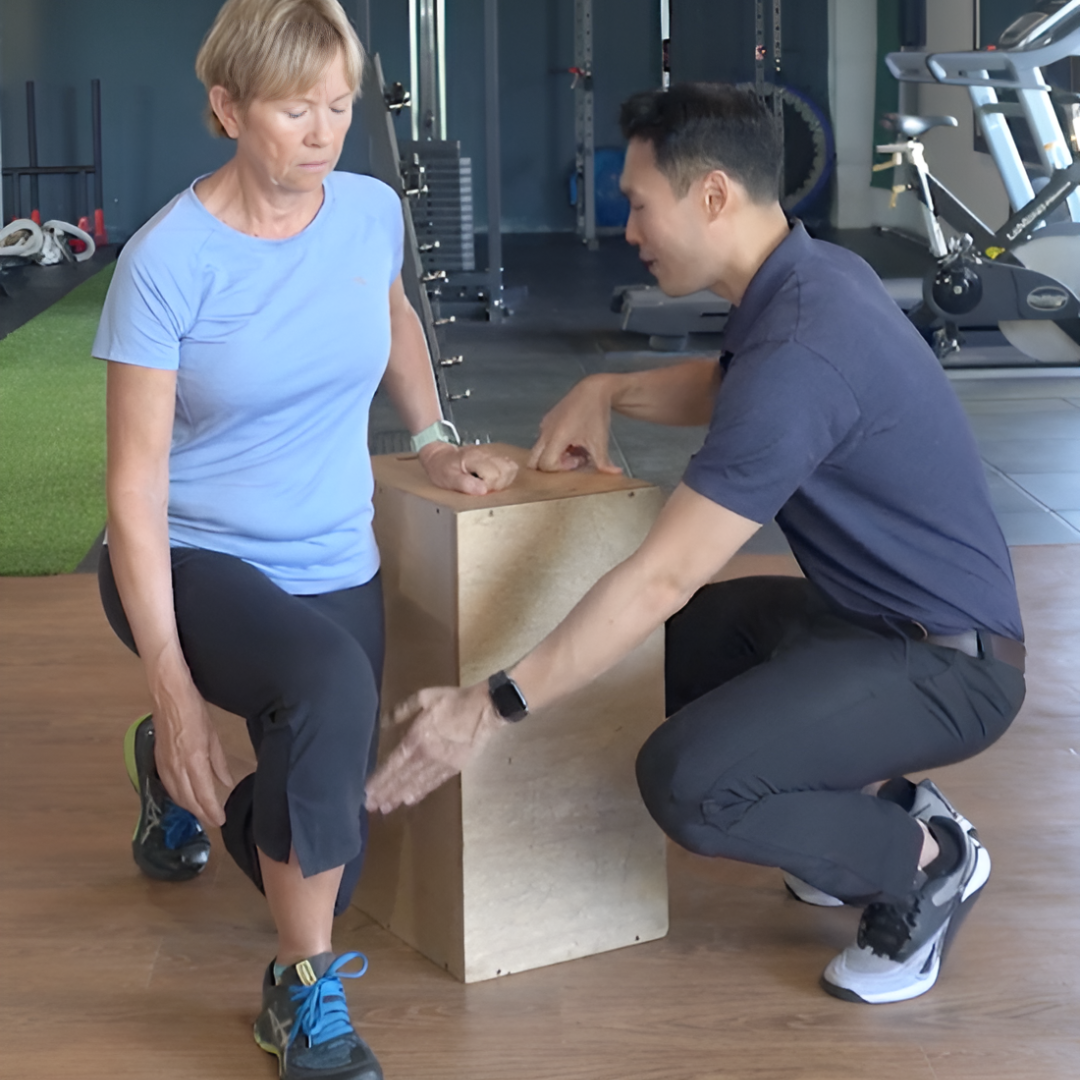
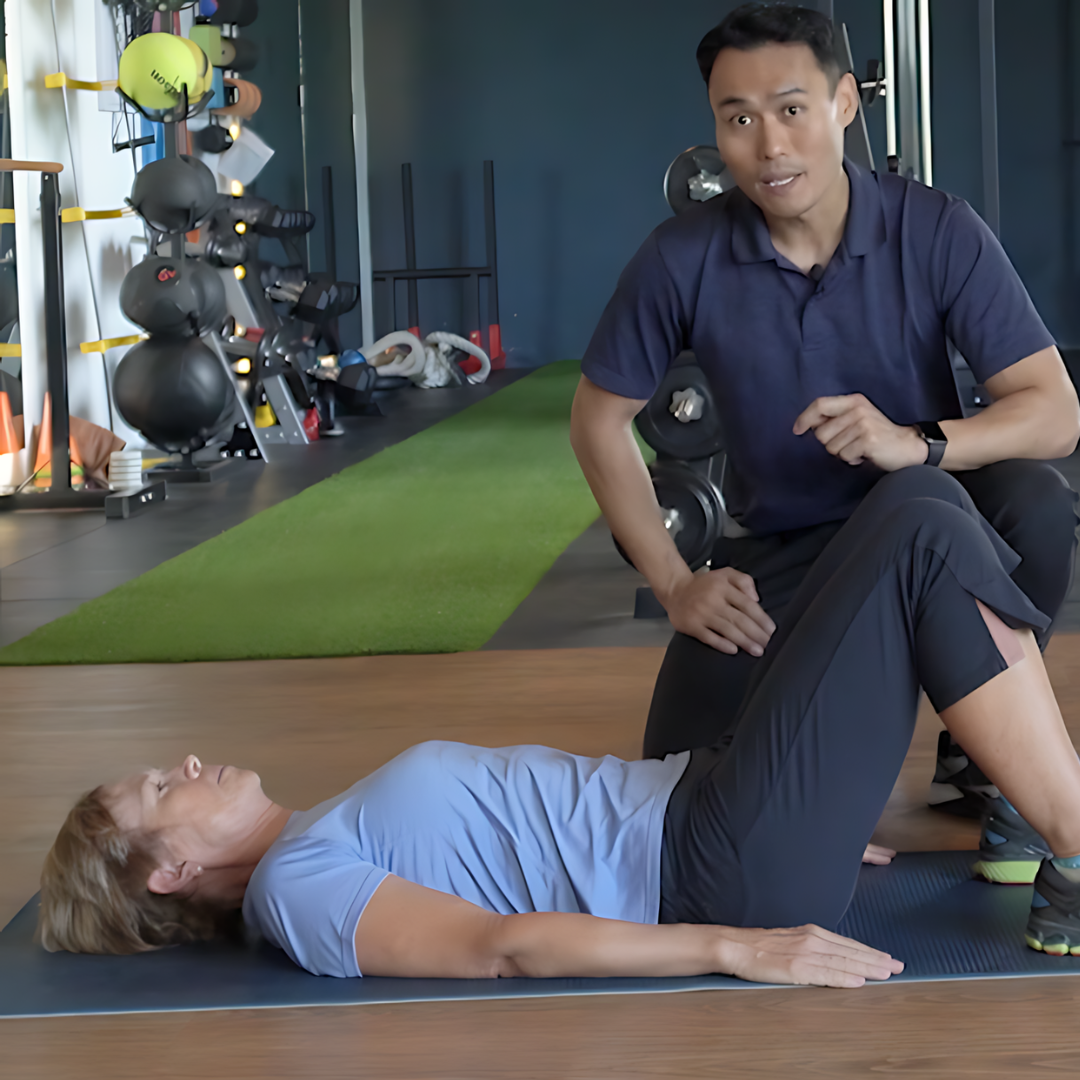
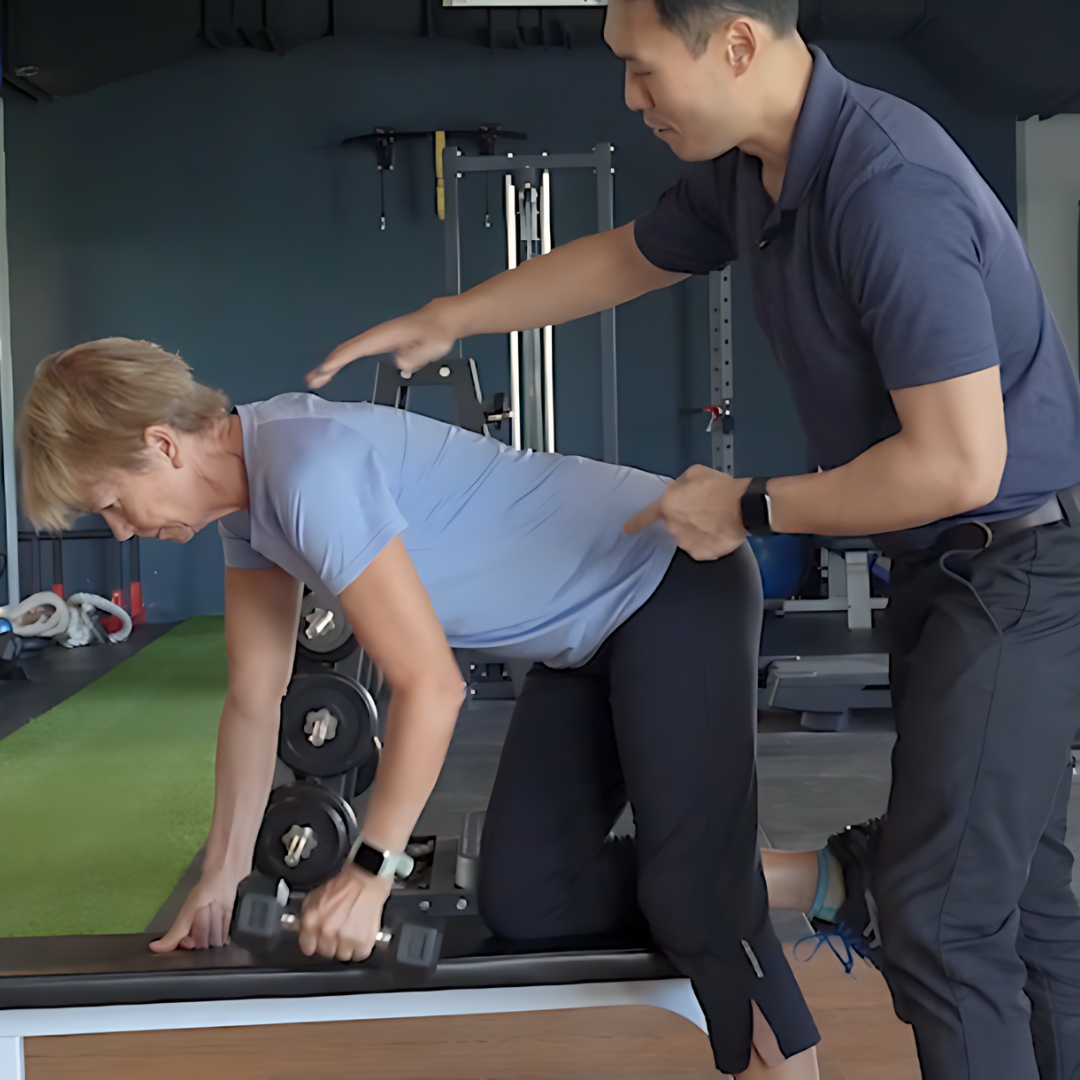
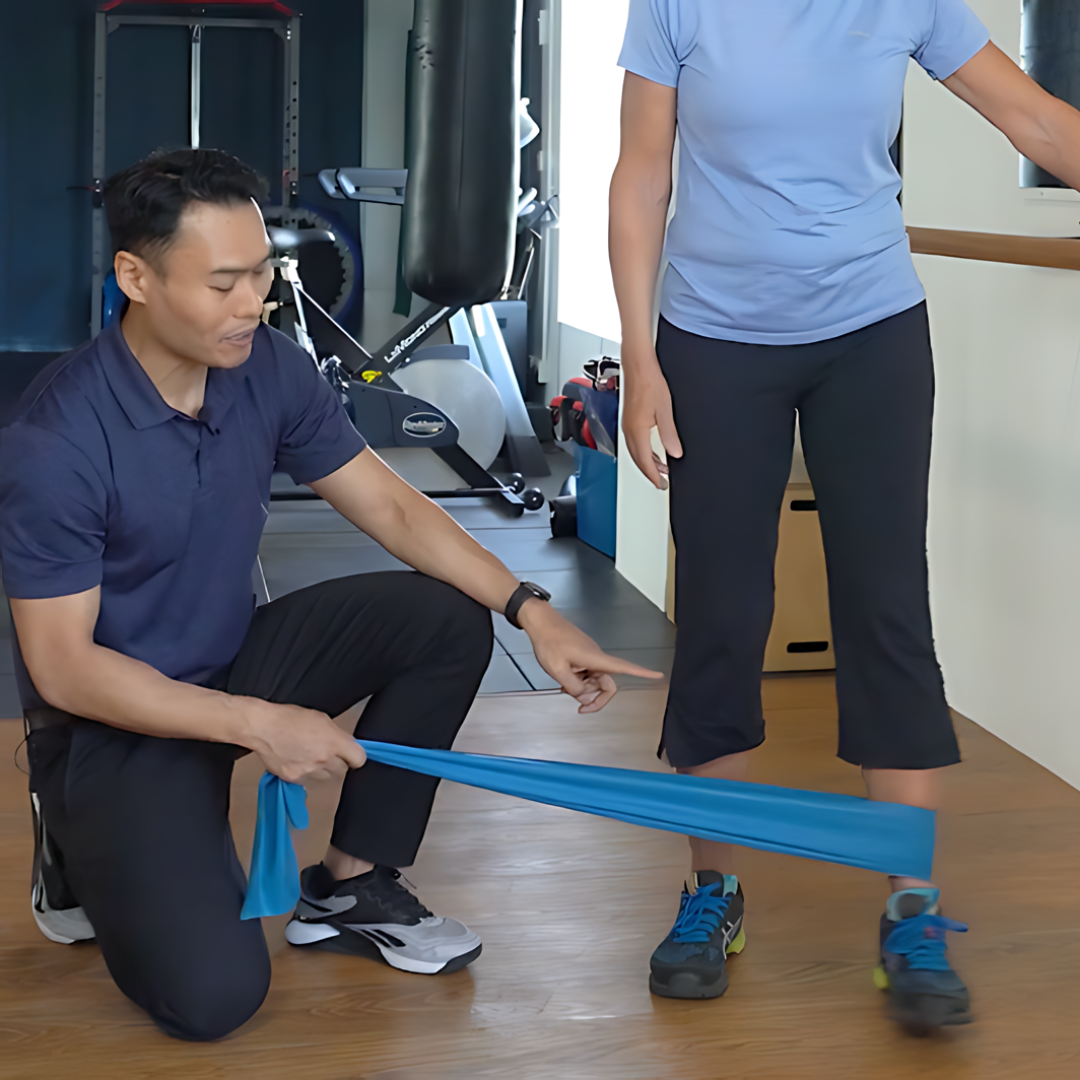
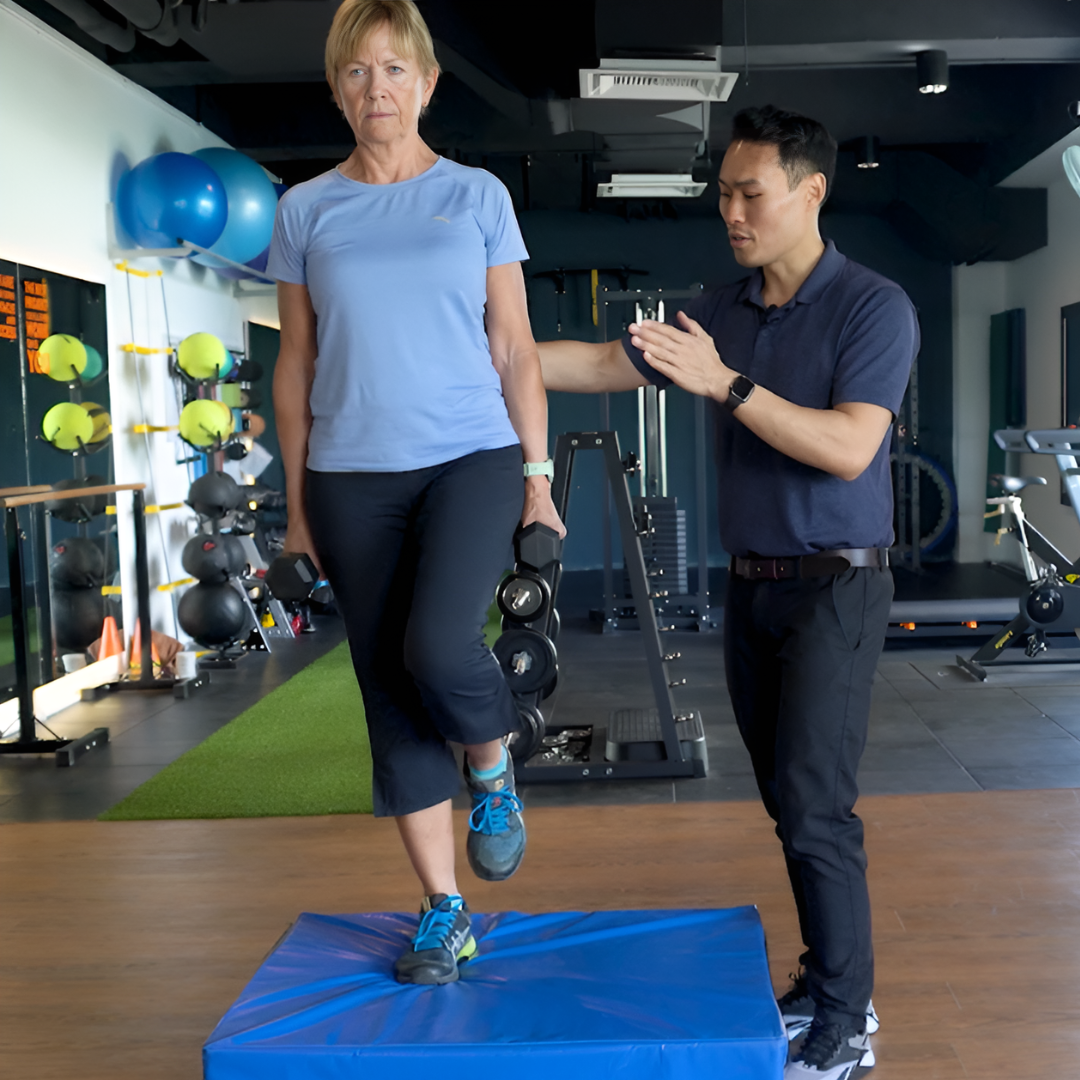
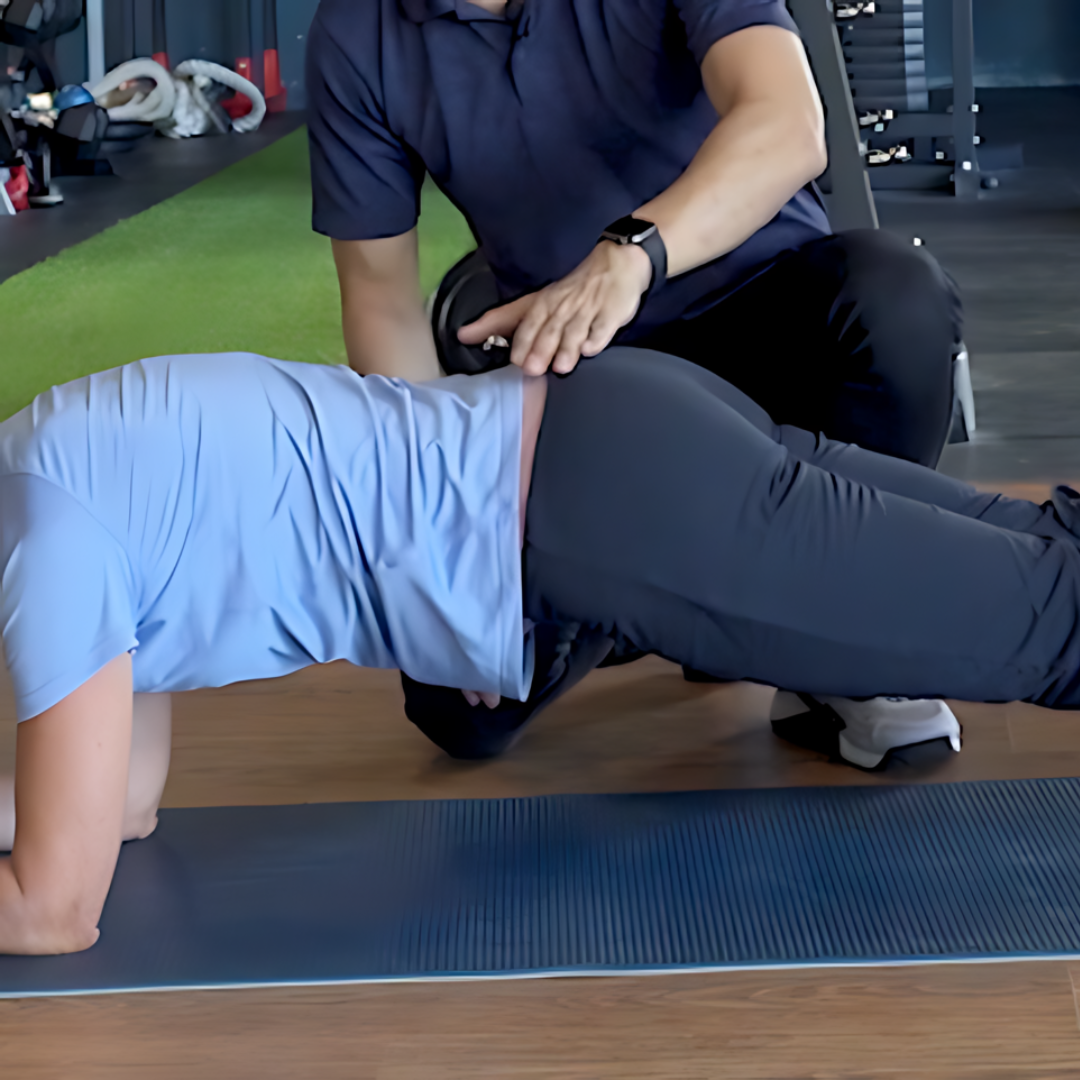
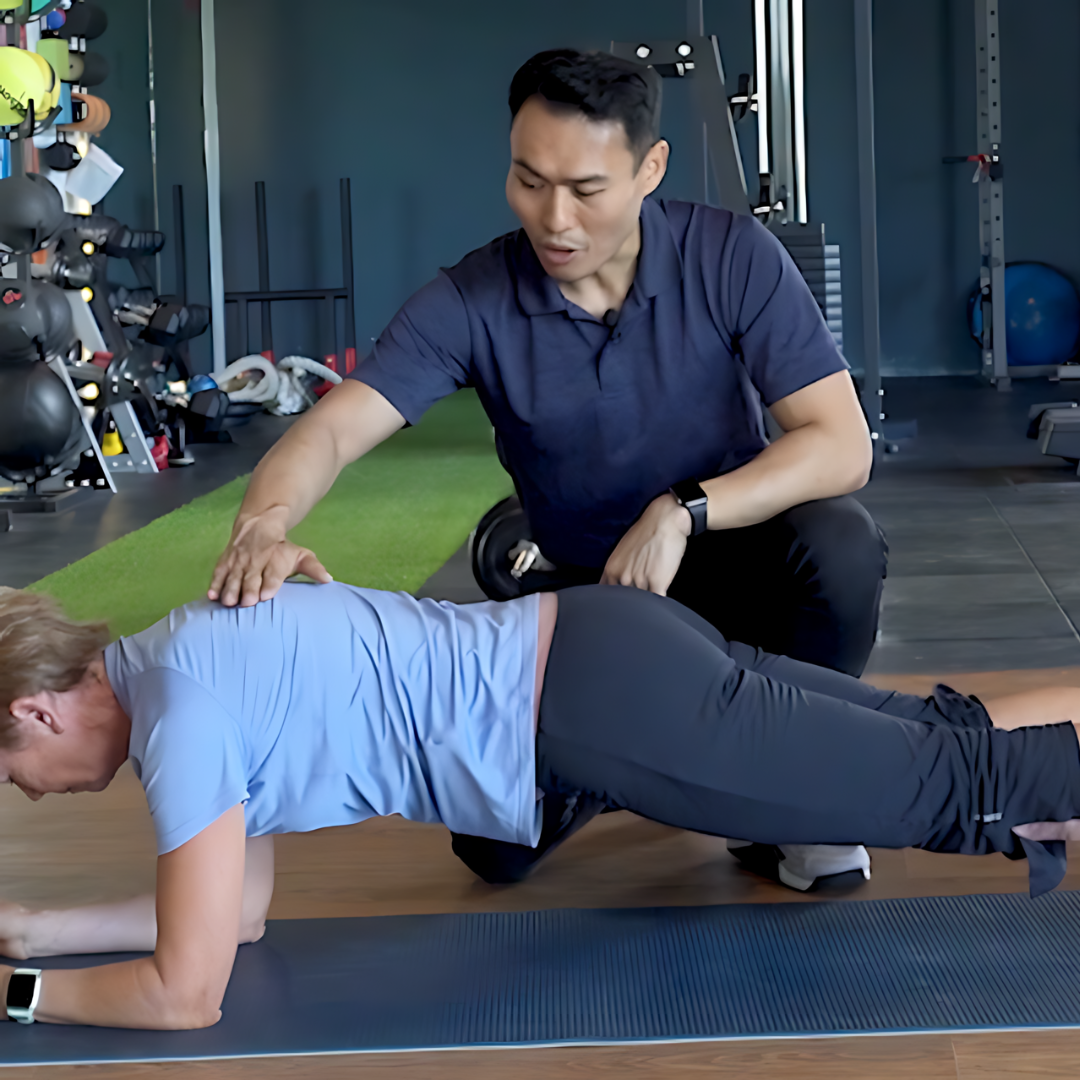
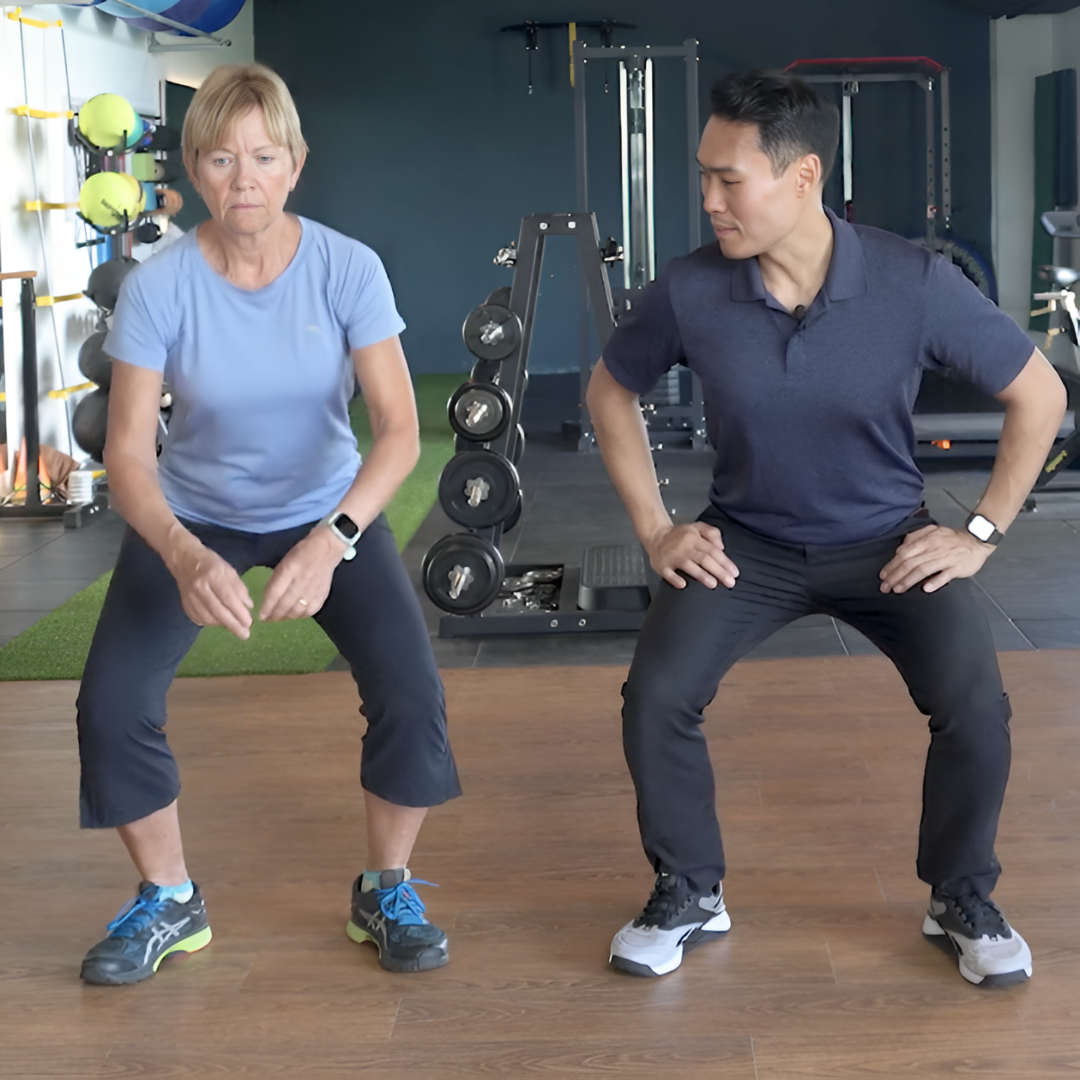
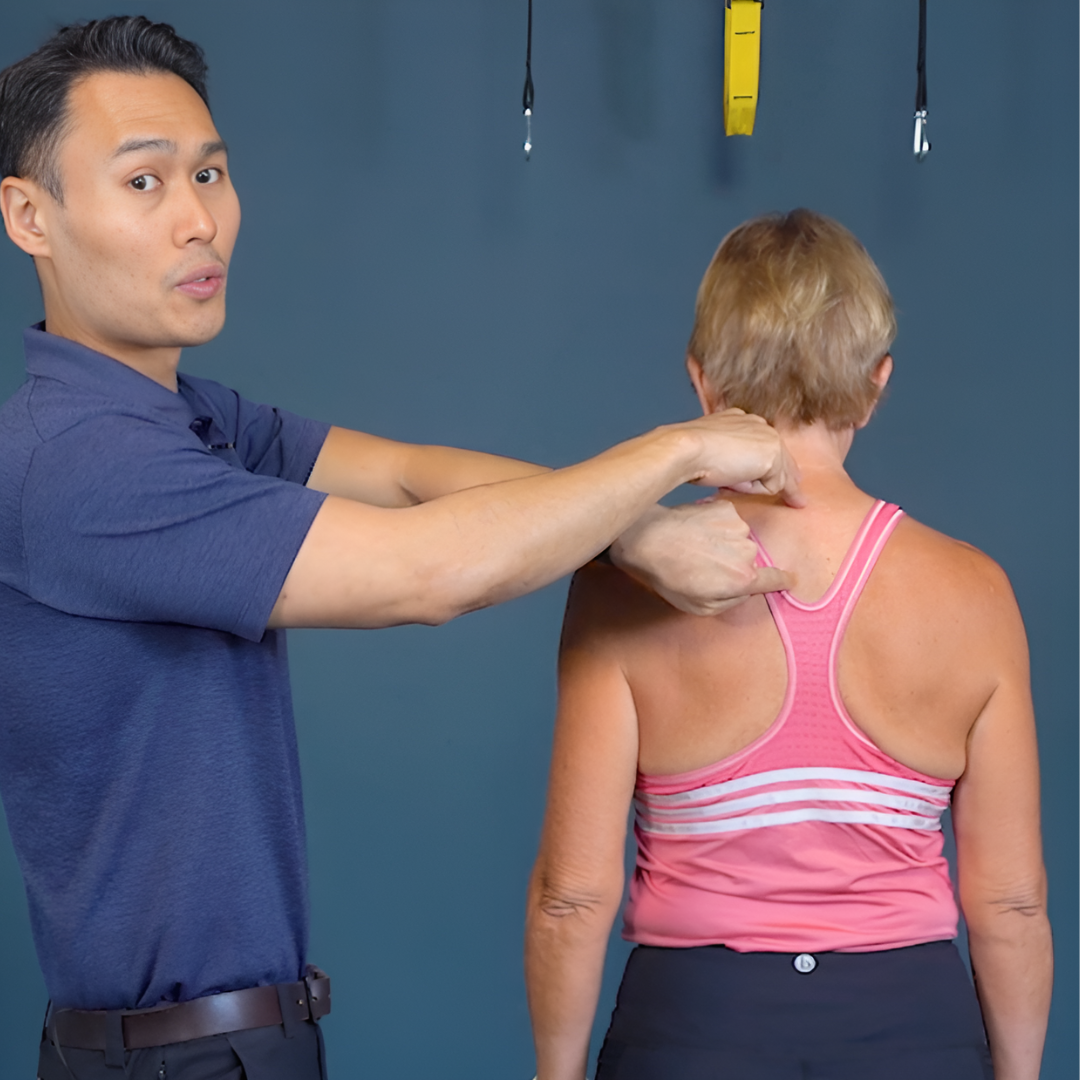
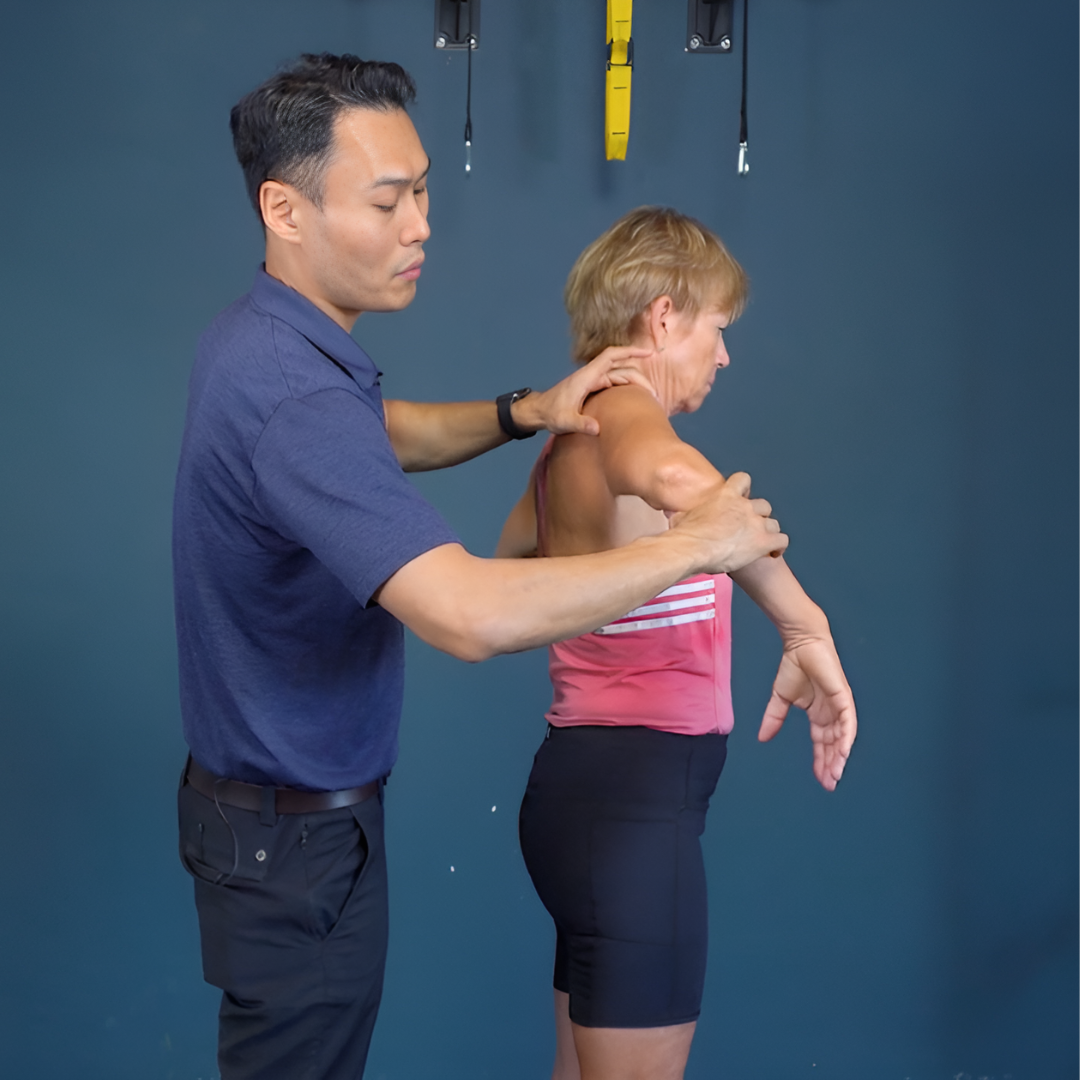
Osteoporosis affects bone strength, fracture risk, confidence, independence, mobility, and quality of life. Nurses may encounter patients with known osteoporosis, osteopenia, previous fragility fracture, height loss, kyphosis, back pain, fear of falling, reduced activity, medication concerns, or uncertainty about which movements and exercises are safe. This course helps nurses understand osteoporosis through a practical rehabilitation and safety lens. Learners explore how strength, weight-bearing activity, balance, posture, safe body mechanics, fall prevention, confidence, and individualised progression can support better long-term outcomes. The course does not train nurses to diagnose osteoporosis, prescribe individual rehabilitation programmes, or replace physiotherapy, medical, pharmacy, or specialist bone-health review. It supports safer clinical conversations, better observation, clearer documentation, appropriate referral, and reinforcement of agreed care plans. Recognise why osteoporosis matters clinically, including fragility fracture history, spinal precautions, falls risk, pain, posture change, fear of movement, and loss of independence. Understand why posture, controlled movement, safe lifting, avoiding risky forward flexion or forceful twisting where appropriate, and individualised advice matter. Connect muscle strengthening, weight-bearing activity, balance training, functional mobility, and confidence-building with fall prevention and better daily function. Improve patient education, documentation, escalation, medication-review prompts, physiotherapy referral quality, and communication with the wider bone-health team. The learning pathway moves from osteoporosis risk awareness into safe movement, functional support, fall prevention, referral, and practical care coordination. Important scope note: Nursing scope varies by country, region, register, employer policy, job role, training, competence, consent requirements, supervision arrangements, and indemnity or insurance. Some nurses may be authorised to reinforce selected exercise, movement, falls-prevention, or bone-health education in specific settings. Others may not. Diagnosis, medication decisions, fracture-risk stratification, and individual rehabilitation prescription require appropriate professional authority, training, and local approval. This course is suitable for nurses and healthcare professionals working in primary care, rehabilitation, orthopaedics, geriatrics, community care, long-term care, falls prevention, pain management, wellness, women's health, post-fracture care, and interdisciplinary practice. It is especially relevant for clinicians who want to support safer movement, improve patient confidence, recognise fracture-risk concerns, document functional changes, and coordinate care for people living with osteoporosis or increased fracture risk. Ke Wynn Lee is a physiotherapist, athletic trainer, internationally respected educator, and exercise specialist with extensive experience in rehabilitation, healthy aging, movement education, and exercise prescription. His teaching combines practical clinical reasoning with evidence-informed exercise strategies. In this course, Ke Wynn Lee provides a clear and accessible framework for understanding osteoporosis and supporting clients in maintaining strength, independence, movement confidence, and quality of life. In support of improving patient care, this course has been planned and implemented by AKH Inc., Advancing Knowledge in Healthcare and Neil Asher. AKH Inc., Advancing Knowledge in Healthcare is jointly accredited by the Accreditation Council for Continuing Medical Education (ACCME), the Accreditation Council for Pharmacy Education (ACPE), and the American Nurses Credentialing Center (ANCC), to provide continuing education for the healthcare team. This activity was planned by and for the healthcare team, and learners will receive 4.00 Interprofessional Continuing Education (IPCE) credit for learning and change.Course Description
What You Will Learn
Fracture-Risk Awareness
Safe Movement Principles
Strength, Balance, and Confidence
Referral and Care Coordination
Course Pathway
Who This Course Is For
About the Presenter