

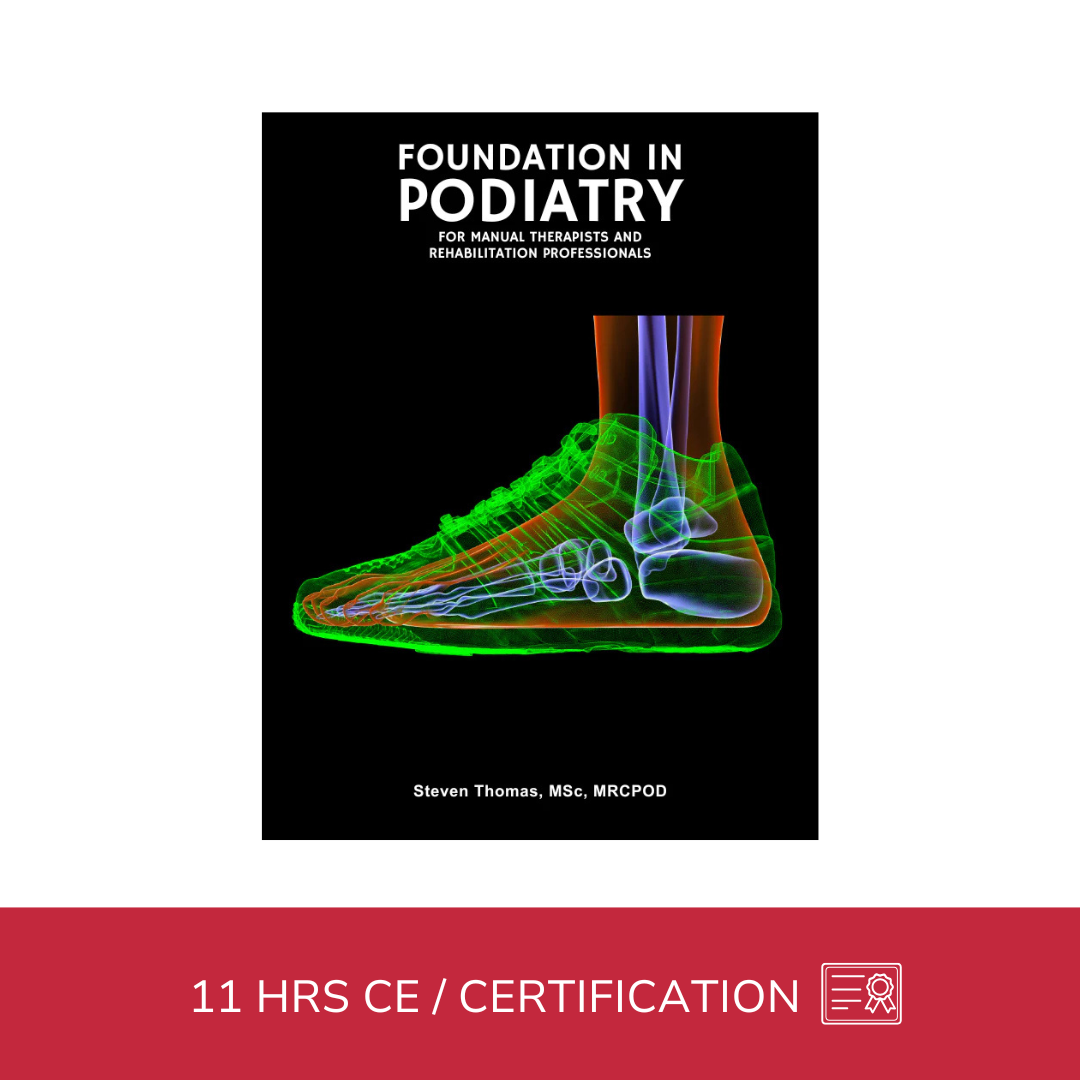


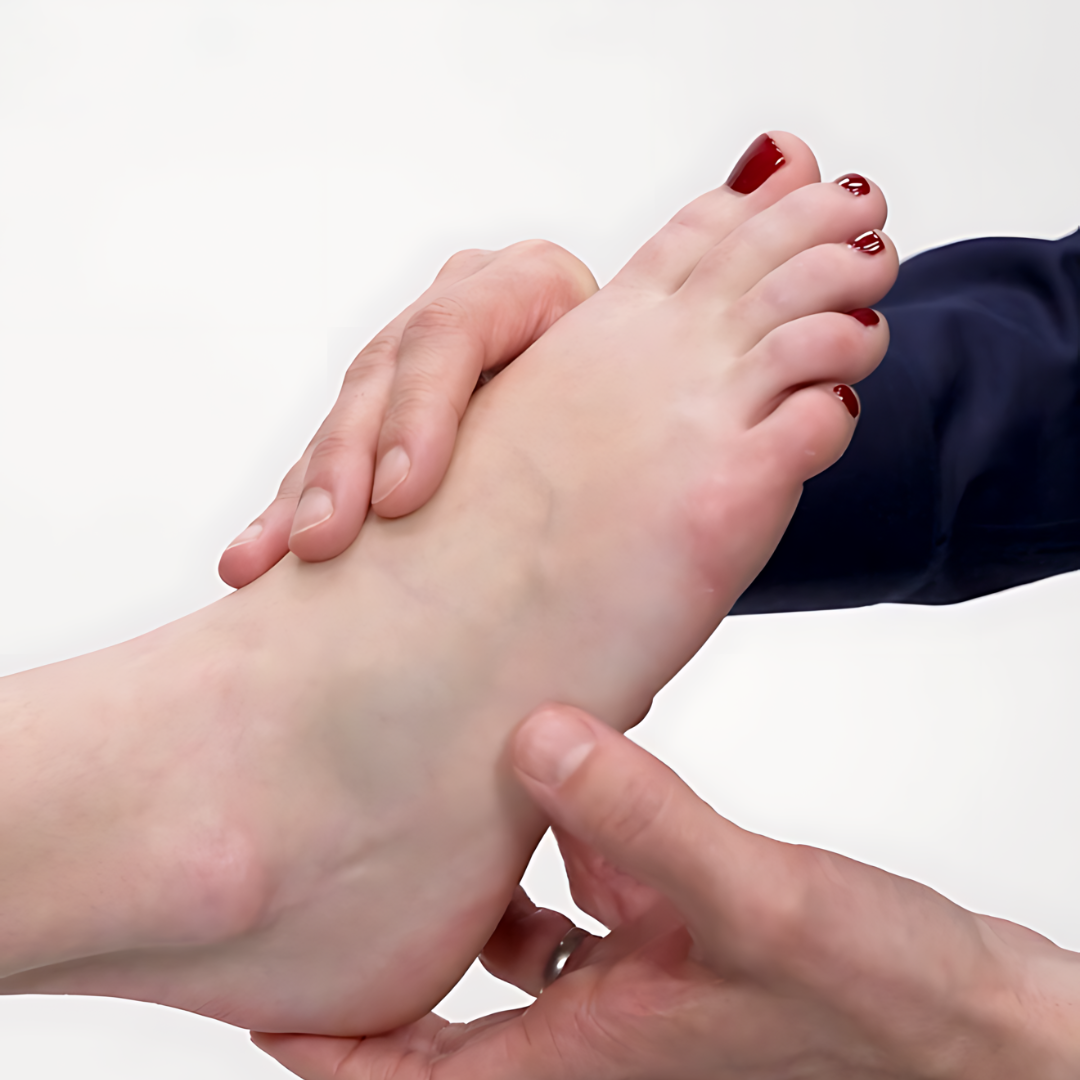
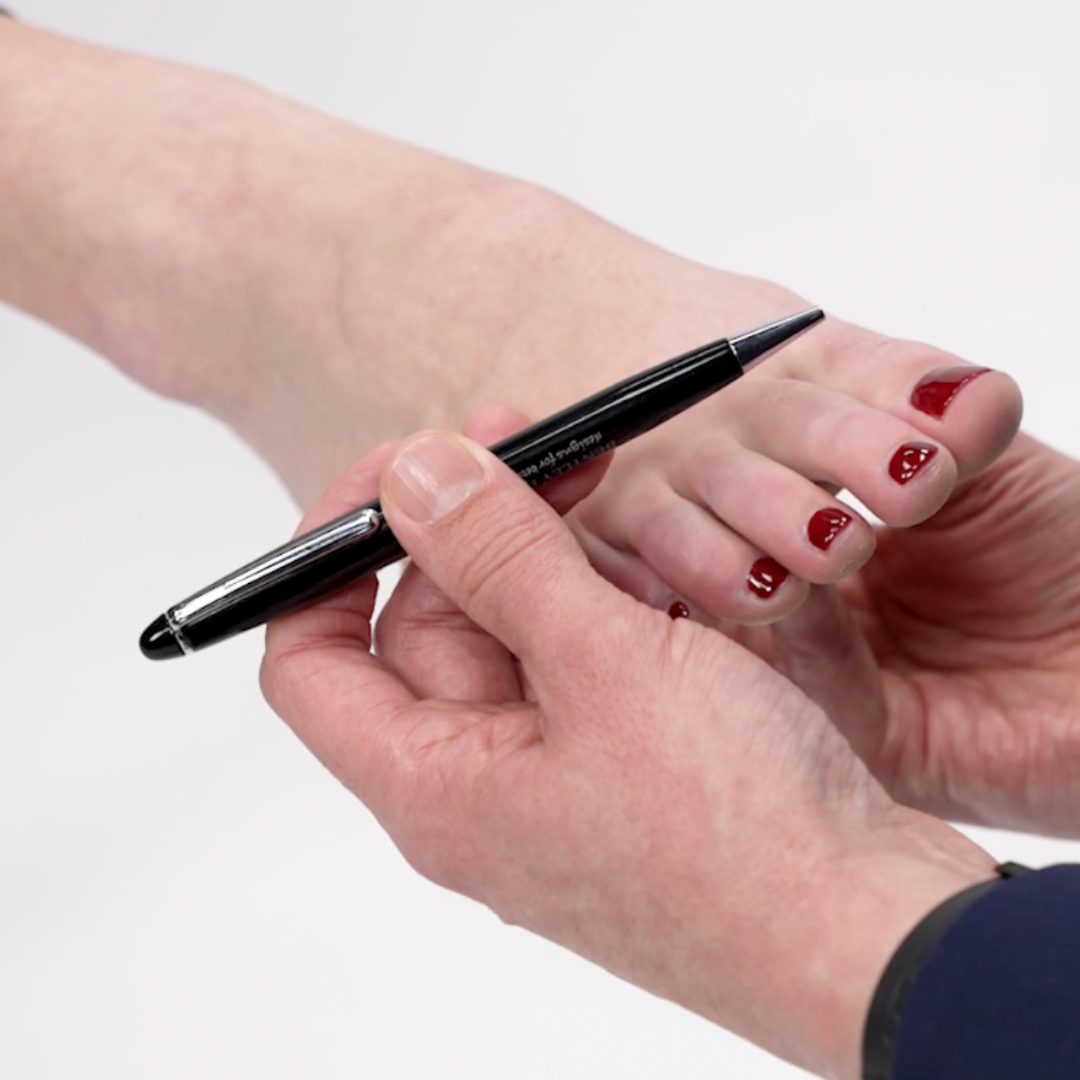

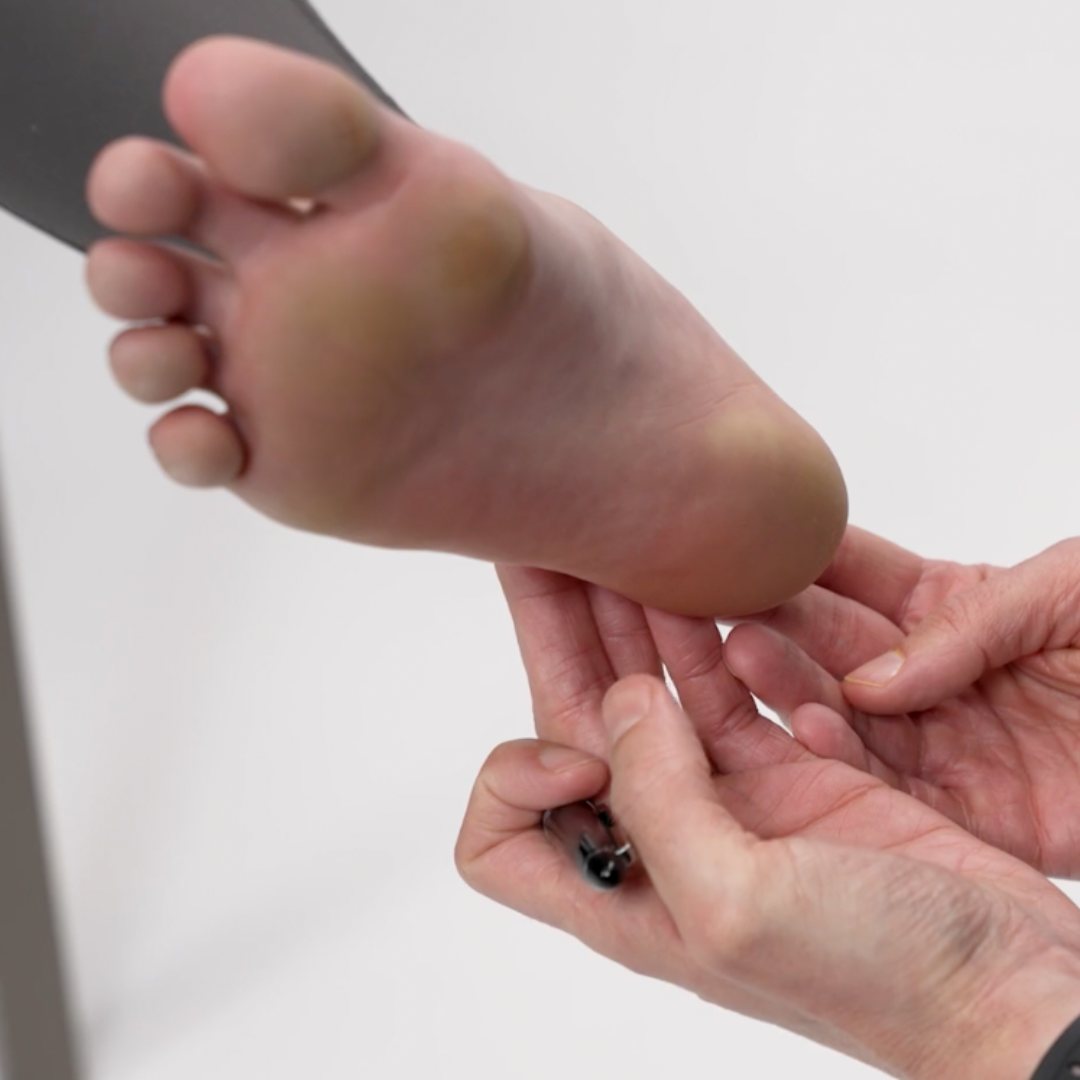

Foundation in Podiatry for Manual Therapists and Rehabilitation Professionals (11 hrs)
Foundation in Podiatry for Massage and Manual Therapists
11 Hours CE/CPD | Online Course with Steven Thomas MRCPod
The foot is far more than a structure at the end of the leg. It is the body’s first point of contact with the ground, constantly adapting to movement, balance, terrain, footwear, loading, and daily activity.
Foundation in Podiatry for Massage and Manual Therapists introduces therapists to the foundations of podiatry in a practical, accessible, and clinically relevant way.
Presented by Steven Thomas MRCPod, this course helps massage and manual therapists better understand foot and ankle mechanics, gait, loading, footwear, lower limb function, and the wider kinetic chain.
Course Overview
This course is not designed to turn massage therapists into podiatrists. Instead, it helps therapists develop better observation skills, stronger movement reasoning, greater referral awareness, and a clearer understanding of how the foot and ankle may influence whole-body function.
Participants will explore how foot and ankle mechanics may affect walking, standing, compensation, recovery, balance, and load tolerance throughout the lower limb and wider body.
The course provides a practical clinical lens for understanding common foot presentations, gait observation, footwear considerations, orthotics, red flags, referral awareness, and whole-body clinical reasoning.
Supported by professionally produced video tutorials, a comprehensive companion course, downloadable workbook and study materials, lesson quizzes, final assessment, certificate of completion, and lifetime access, this course provides a structured introduction to podiatric awareness for manual therapy practice.
What You Will Learn
| Topic | Focus |
|---|---|
| Foot & Ankle Function | Understanding balance, gait, stability, shock absorption, and force transfer |
| Gait & Movement Observation | Developing confidence observing gait, compensation, loading patterns, and movement behaviour |
| Common Foot Presentations | Exploring heel pain, Achilles overload, bunions, hammer toes, and structural adaptation |
| Footwear & Orthotics | Understanding how footwear and support strategies may influence comfort, loading, and movement tolerance |
| Red Flags & Referral | Recognising when symptoms may require podiatric, medical, or interdisciplinary assessment |
| Clinical Reasoning | Strengthening whole-body thinking, client education, communication, and reflective practice |
Course Content
The course combines practical podiatric education, gait observation, lower limb function, foot and ankle mechanics, footwear awareness, referral considerations, and clinical reasoning for manual therapy practice.
| Module | Focus |
|---|---|
| Foundations of Podiatric Awareness | Understanding the relevance of foot and ankle function for manual therapists |
| Foot, Ankle & Lower Limb Function | Exploring movement, loading, stability, gait, and kinetic chain relationships |
| Gait Observation & Movement Reasoning | Developing practical observation skills for compensation, loading, and movement behaviour |
| Common Foot & Ankle Presentations | Heel pain, Achilles discomfort, bunions, hammer toes, calf tightness, and related concerns |
| Footwear, Orthotics & Load Management | Understanding footwear contribution, support strategies, and loading considerations |
| Referral Awareness & Professional Scope | Recognising red flags and knowing when podiatric or medical referral may be appropriate |
Who This Course Is For
This course is ideal for massage therapists, manual therapists, bodyworkers, physiotherapists, rehabilitation professionals, sports therapists, movement practitioners, and other hands-on professionals who want to better understand the foot, ankle, gait, and lower limb function.
It is especially useful for therapists working with clients experiencing heel pain, calf tightness, Achilles discomfort, lower limb overload, balance concerns, footwear-related issues, or recurring movement-related symptoms.
About Steven Thomas
Steven Thomas MRCPod is a podiatrist and foot and ankle specialist based in Harley Street, Central London.
His clinical work includes podiatry, biomechanics, gait assessment, lower limb care, and specialist foot and ankle presentations.
In this course, Steven brings podiatric knowledge into a practical learning format designed specifically for massage and manual therapists, helping students understand the foot and ankle more clearly while remaining safely within professional scope.
Included With This Course
| Included | Details |
|---|---|
| Video Tutorials | Professionally produced video tutorials presented by Steven Thomas MRCPod |
| Companion Course | Comprehensive companion course designed to reinforce and deepen learning |
| Workbook & Study Materials | Downloadable workbook and supporting study materials |
| Lesson Quizzes | Knowledge checks designed to reinforce learning throughout the course |
| Final Assessment | 11 Hours CE/CPD following successful completion |
| Certificate | Certificate of completion included |
| Lifetime Access | Study at your own pace and revisit the material whenever required |
CE Finder
This course has been approved for continuing education by numerous professional boards and associations worldwide. Scroll sideways to find your board or association.
Approvals Listed: 62
CE Broker Provider: #20-944719
11
11
11
11
11
11
11
11
11
11
4.4
2
11
11
11
11
5.5
11
11
11
11
11
11
11
11
11
11
11
11
11
11
11
11
11
11
11
11
11
11
11
11
11
11
11
11
11
11
11
11
11
11
11
11
11
11
11
11
11
11
11
11
11
Approval requirements can change. Please confirm acceptance with your own board, association, employer, or regulatory authority before registration.
Foundation in Podiatry
Professional Reviews & Feedback
The reviews below represent feedback provided by students and practitioners through Trustpilot, Google Reviews, and Judge.me.
“Steven Thomas explains podiatry concepts in a way that makes sense for manual therapists. The course was practical from the start.”
“The course helped me understand foot mechanics, gait, and lower limb function with much more confidence.”
“A very useful foundation for therapists who want to better understand the feet without becoming overwhelmed by terminology.”
“The explanations around foot posture and load transfer were especially helpful for clinical reasoning.”
“I appreciated how the course connected podiatry principles to everyday treatment room presentations.”
“Steven presents with clarity and experience. The material felt relevant to both assessment and treatment planning.”
“The course gave me a better understanding of how foot mechanics influence knees, hips, and the rest of the body.”
“A strong introductory course for rehabilitation professionals who want to understand podiatry more clearly.”
“The information on common foot conditions was clear, practical, and immediately useful.”
“The course helped me ask better questions during intake when clients present with foot or lower limb pain.”
“I found the gait and footwear discussions particularly valuable. They added a practical layer to my assessments.”
“Steven makes the subject approachable. I finished the course with a clearer framework for foot-related complaints.”
“The course gave me more confidence recognising when foot mechanics may be contributing to wider movement issues.”
“A very helpful course for understanding plantar fascia issues, arches, and functional loading.”
“The teaching was clear and professional. I appreciated the focus on what manual therapists can realistically observe.”
“This course has changed how I look at lower limb presentations. The foot often tells more of the story than I realised.”
“The podiatry foundation was exactly what I needed to better understand client complaints around the heel, arch, and forefoot.”
“The course linked anatomy, gait, and common conditions in a way that was easy to follow.”
“A well-structured course that gave me practical insight into foot assessment and referral considerations.”
“Steven Thomas made podiatry feel accessible and relevant for manual therapy and rehabilitation practice.”