
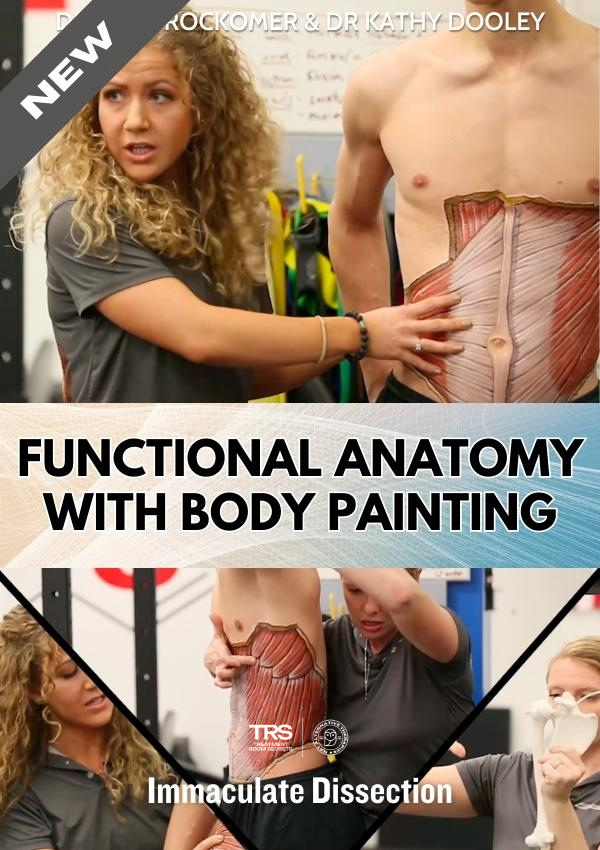
Functional Anatomy of the Core - Immaculate Dissection (13 hrs)
Functional Anatomy of the Core (Immaculate Dissection)
13 Hours CE/CPD | Online Course with Dr. Ann Frockomer DC and Dr. Kathy Dooley DC
Core anatomy is not just a list of muscles to memorize. It is a living, moving system involved in breathing, posture, stabilization, rotation, force transfer, and whole-body coordination.
Functional Anatomy of the Core offers a visual, practical, and movement-based way to understand the anatomy of the core.
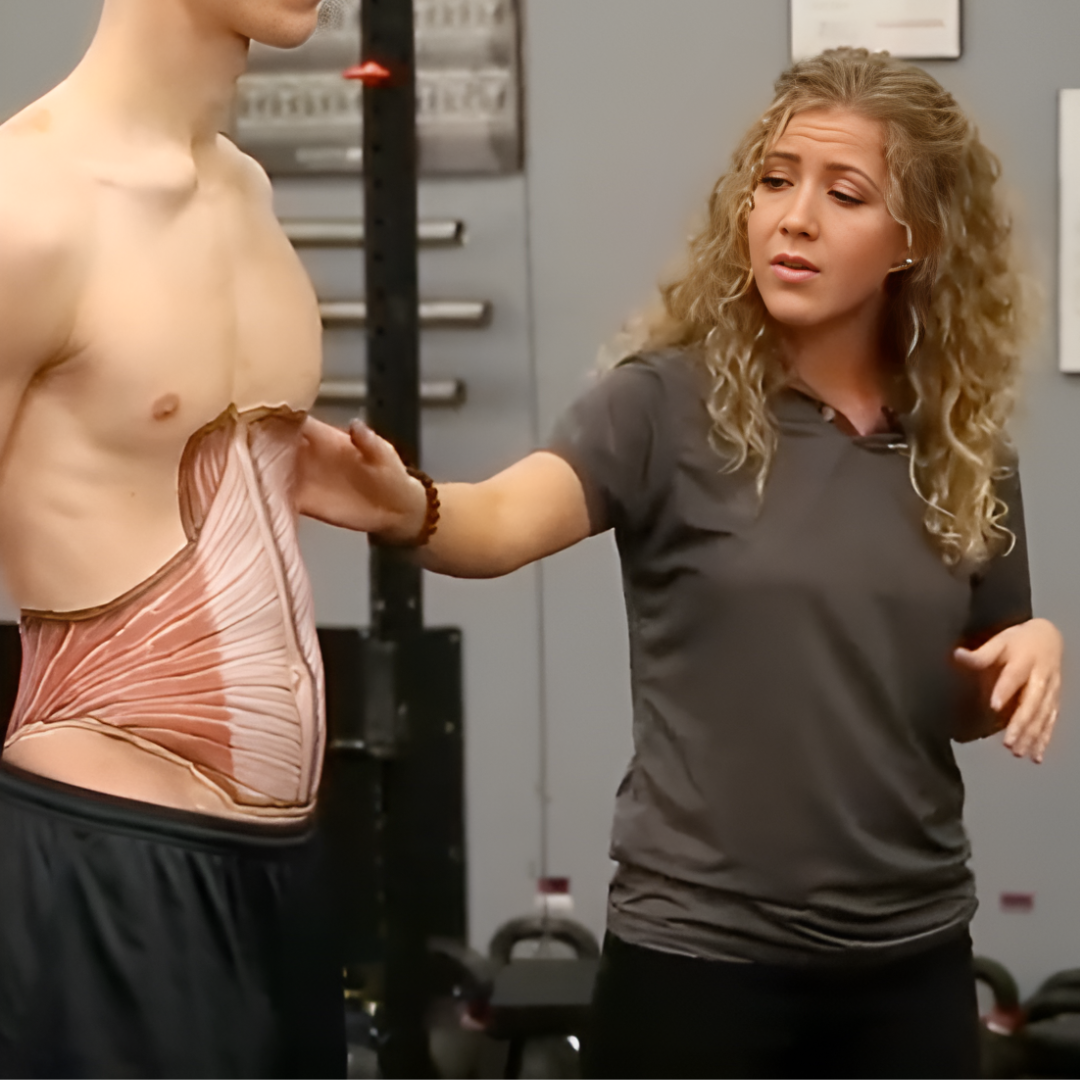
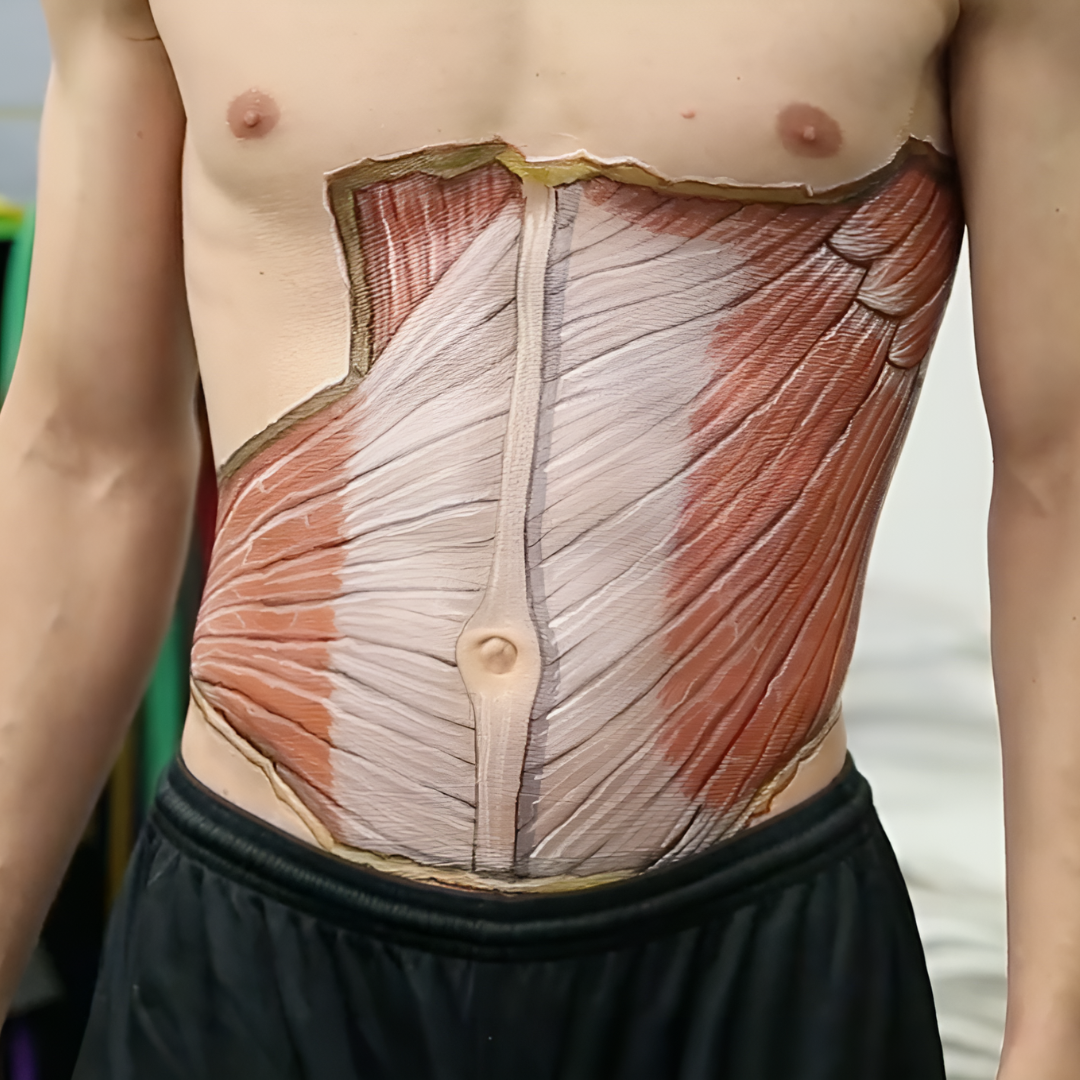
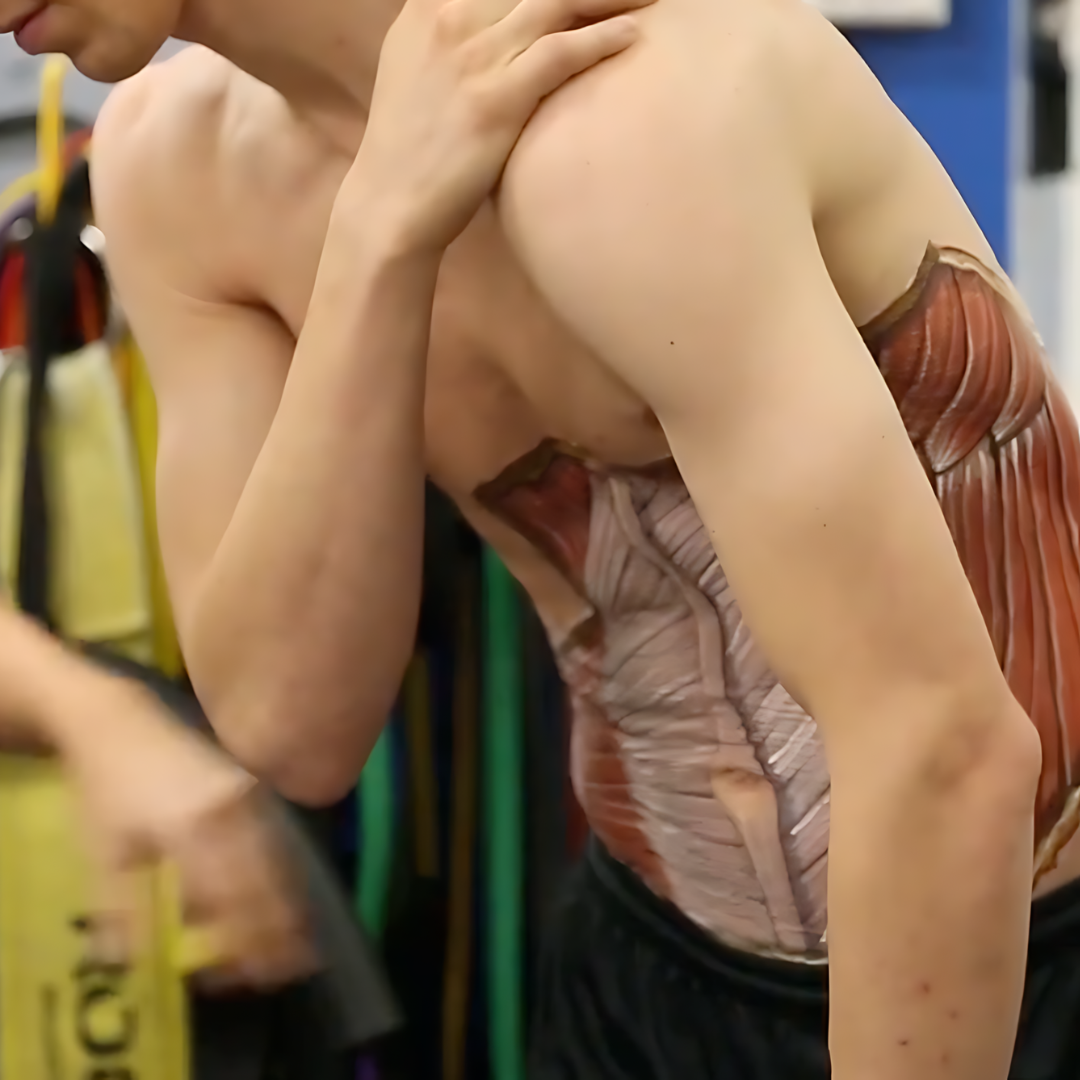
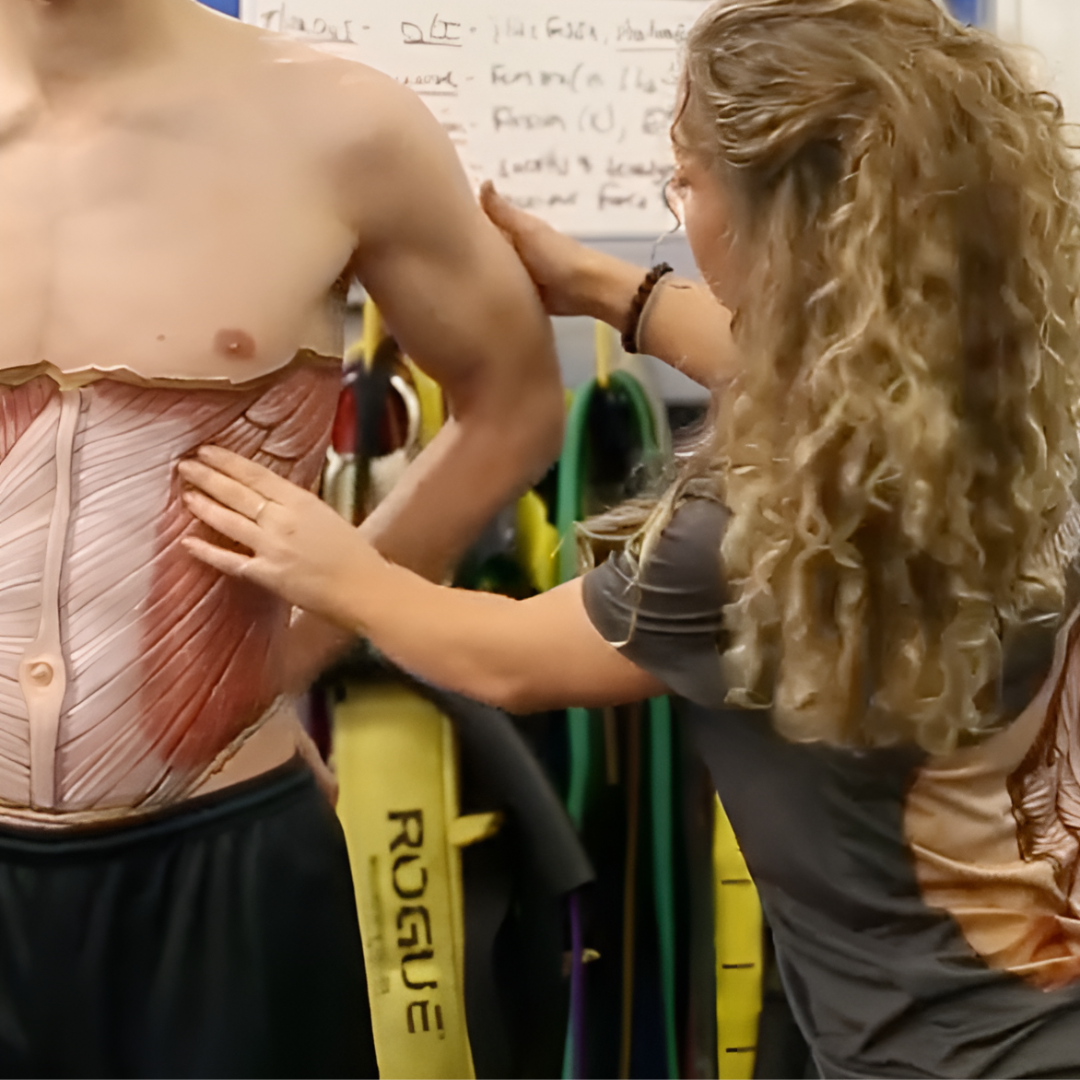
Presented by Dr. Ann Frockomer DC and Dr. Kathy Dooley DC, co-creators of the Immaculate Dissection project, this course uses body-painting anatomy to help learners see how the core functions on the living, moving body.
Course Overview
Across this 13-hour CE/CPD course, participants will explore the functional anatomy of the core through a practical and visually engaging learning approach.
Rather than studying muscles in isolation, students examine how the diaphragm, abdominal wall, spine, fascia, ribcage, pelvic floor, and stabilizing structures work together during breathing, movement, posture, rotation, pressure regulation, and force transfer.
The body-painting method helps students visualize tissue direction, muscle layering, fascial relationships, and movement mechanics in a way that is memorable, clinically relevant, and directly connected to real-world practice.
Supported by professionally recorded video training, a fully illustrated workbook, companion course, lesson quizzes, final examination, certificate of completion, and lifetime access, this course provides a dynamic and practical approach to learning core anatomy.
What You Will Learn
| Topic | Focus |
|---|---|
| Visual Anatomy | Seeing anatomical structures in relation to movement rather than static diagrams alone |
| Functional Core Anatomy | Understanding the core as an integrated system for breathing, stability, and force transfer |
| Breathing & Pressure Regulation | Exploring the diaphragm, ribcage, abdominal wall, and pelvic floor as part of pressure control |
| Spine, Fascia & Movement | Understanding muscle layering, fascial relationships, spinal support, and movement coordination |
| Rotation & Stabilization | Learning how the core contributes to rotational control, posture, stability, and movement efficiency |
| Clinical Relevance | Applying anatomy knowledge in rehab, manual therapy, movement education, fitness, and performance settings |
Course Content
The course combines body-painting anatomy, movement observation, functional core mechanics, breathing education, stabilization concepts, fascial relationships, and practical anatomy application.
| Module | Focus |
|---|---|
| Body-Painting Anatomy | Learning anatomy visually on the living, moving body |
| The Core as an Integrated System | Understanding how the abdominal wall, diaphragm, spine, fascia, ribcage, and pelvic floor work together |
| Breathing, Posture & Stabilization | Exploring breathing mechanics, posture, pressure regulation, and stabilizing function |
| Rotation, Force Transfer & Movement Coordination | Understanding how the core supports movement, rotation, load transfer, and coordination |
| Functional Anatomy in Practice | Applying visual anatomy knowledge in rehabilitation, fitness, manual therapy, and movement education |
Who This Course Is For
This course is suitable for rehabilitation professionals, massage therapists, manual therapists, chiropractors, Doctors of Chiropractic, physical therapists, physical therapist assistants, nurses, occupational therapists, occupational therapy assistants, athletic trainers, Pilates instructors, yoga teachers, exercise professionals, fitness professionals, and athletes interested in understanding functional anatomy more clearly.
It is especially valuable for professionals who want to apply anatomy knowledge more effectively in movement assessment, rehabilitation, manual therapy, exercise prescription, posture work, breathing education, and performance settings.
About the Instructors
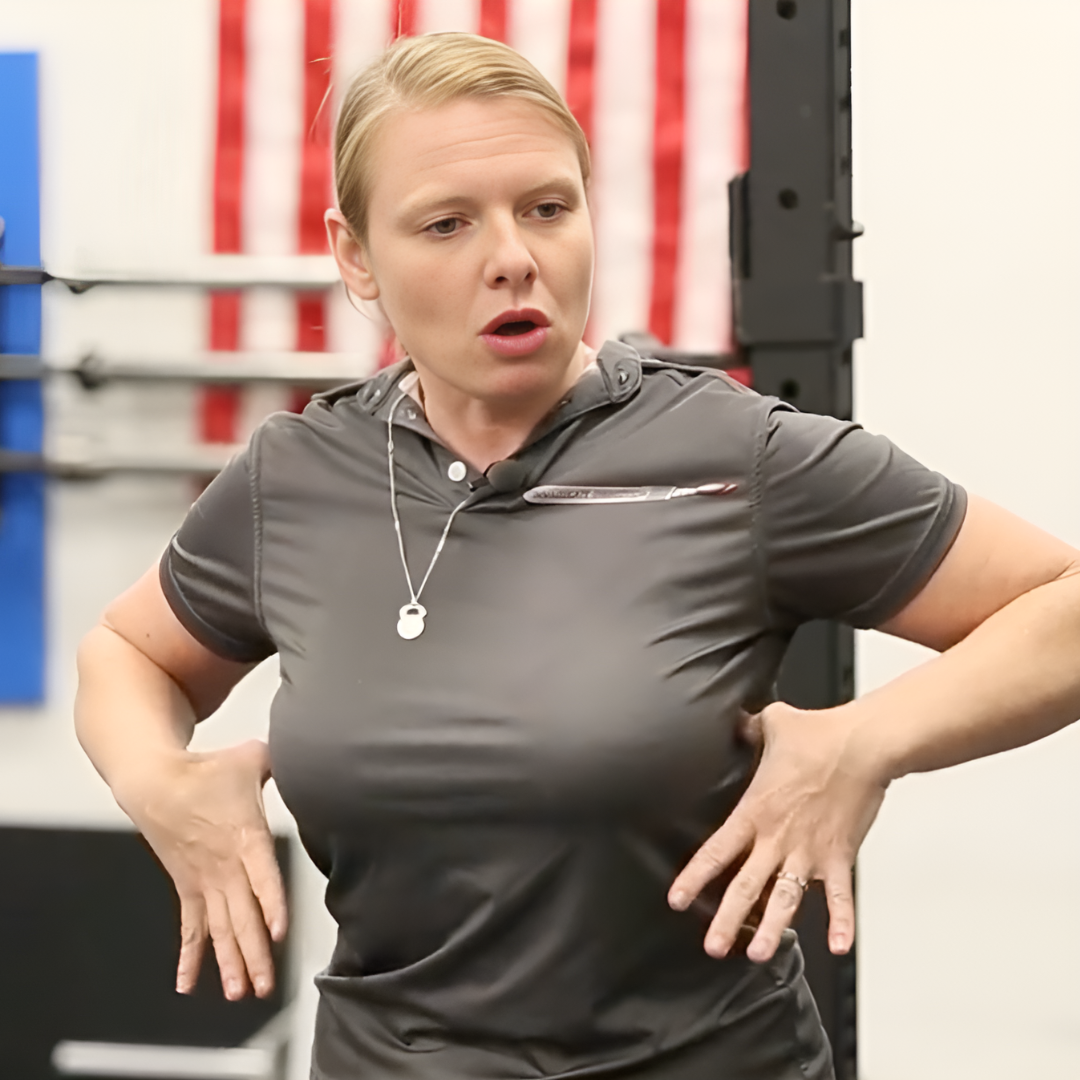
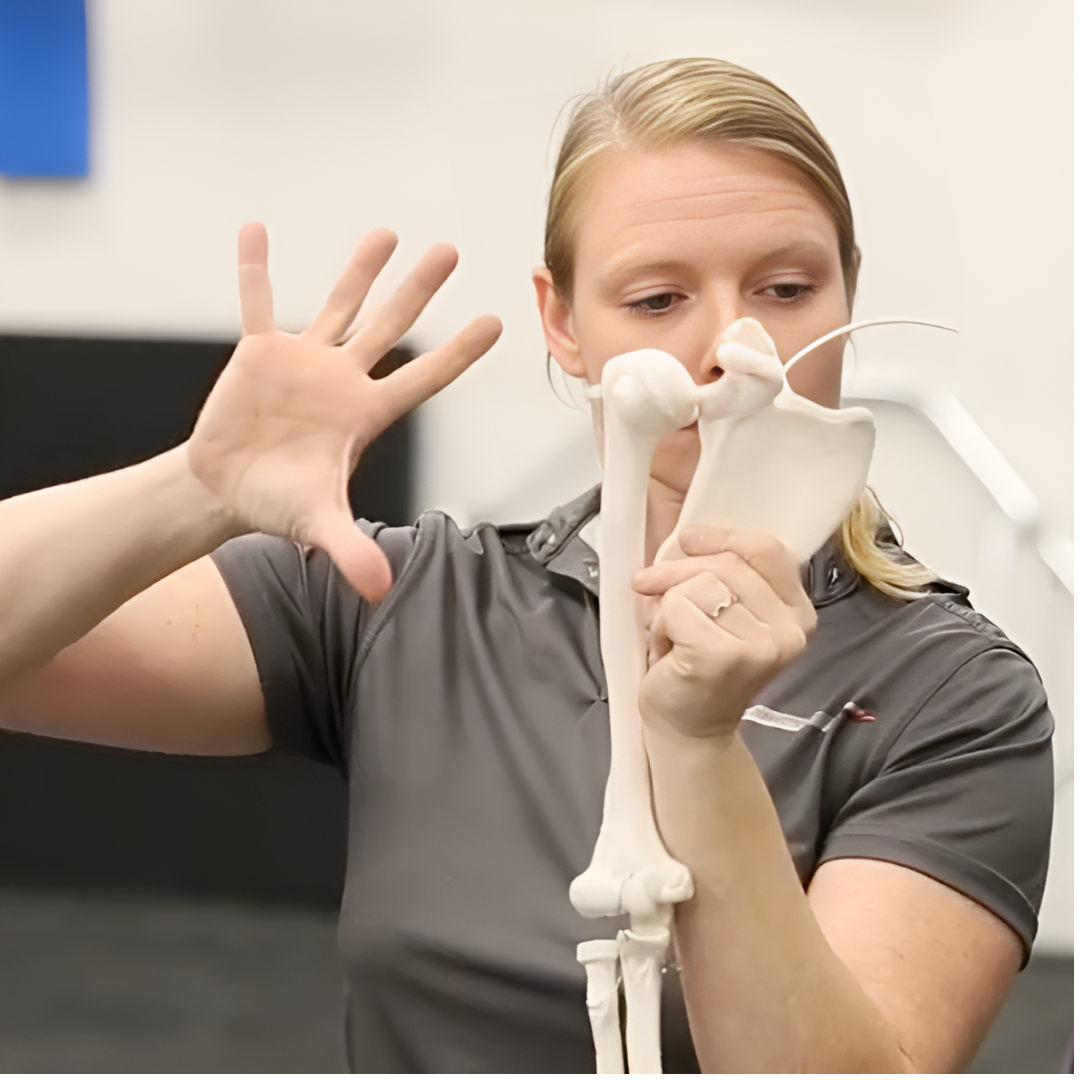
Dr. Ann Frockomer DC and Dr. Kathy Dooley DC are co-creators of the Immaculate Dissection project, known for bringing anatomy to life through visual, practical, and movement-based education.
Their teaching uses body painting to help students see anatomy dynamically, making complex relationships between muscles, fascia, joints, breathing, posture, and movement easier to understand and apply.
In this course, they guide learners through the functional anatomy of the core in a way that is visually memorable, clinically meaningful, and directly relevant to real-world professional practice.
Included With This Course
| Included | Details |
|---|---|
| Video Training | Professionally recorded online video instruction with visual anatomy teaching |
| Fully Illustrated Workbook | Supporting workbook covering functional core anatomy, movement, breathing, stabilization, and force transfer |
| Companion Course | Structured companion lessons designed to reinforce and deepen functional anatomy concepts |
| Lesson Quizzes | Knowledge checks designed to reinforce learning throughout the course |
| Final Exam | Course assessment included for successful completion |
| Certificate | 13 Hours CE/CPD following successful completion |
| Lifetime Access | Study online at your own pace and revisit the material whenever required |
CE Finder
This course has been approved for continuing education by numerous professional boards and associations worldwide. Scroll sideways to find your board or association.
Approvals Listed: 67
CE Broker Provider: #20-1100776
13
13
13
13
3
13
13
13
13
13
13
5.2
13
13 - Primary
13
13
13
13
6.5
13
13
13
13
13
13
3
13
13
13
13
13
13
13
3
13
3
13
13
13
13
13
13
13
13
13
13
13
13
13
13
13
13
13
13
13
13
13
13
13
13
13
13
13
13
13
13
13
Approval requirements can change. Please confirm acceptance with your own board, association, employer, or regulatory authority before registration.
Functional Anatomy of the Core – Immaculate Dissection
Professional Reviews & Feedback
The reviews below represent feedback provided by students and practitioners through Trustpilot, Google Reviews, and Judge.me.
“Dr. Frockomer and Dr. Dooley explain functional anatomy in a way that is visual, practical, and easy to remember.”
“The live audience format added a lot. The student questions and feedback helped clarify several points I might have missed.”
“This course helped me understand the core as a dynamic system rather than a list of isolated muscles.”
“The visual teaching style was outstanding. Watching painted anatomy move on real bodies made the material much more meaningful.”
“A very memorable course. The combination of movement, anatomy, and live demonstration made complex concepts easier to grasp.”
“The course gave me a clearer understanding of how core function relates to breathing, stability, posture, and movement.”
“The teaching was energetic and engaging. The live classroom setting made the course feel interactive even online.”
“I appreciated how the presenters connected anatomy to real movement patterns rather than only showing static structures.”
“The body painting approach made the relationship between abdominal, spinal, pelvic, and respiratory muscles much easier to understand.”
“This course improved how I explain core function to clients. The visual examples were easy to translate into practical language.”
“Dr. Dooley and Dr. Frockomer clearly know how to teach anatomy in a way that sticks.”
“The demonstrations helped me see how the core supports movement rather than simply acting as a bracing mechanism.”
“A strong anatomy course for therapists who want to better understand trunk control, stability, and functional movement.”
“The student interaction during filming made the course feel more natural and helped reinforce key learning points.”
“I found the sections on the diaphragm, pelvic floor, abdominal wall, and spinal stabilisers especially useful.”
“The course made functional core anatomy feel practical, visual, and relevant to everyday clinical work.”
“The live model demonstrations were the highlight. They made the anatomy feel alive rather than abstract.”
“This is one of the most engaging anatomy courses I have taken. The teaching format really helped me retain the information.”
“A creative and highly useful course for anyone working with movement, posture, breathing, or core stability.”