
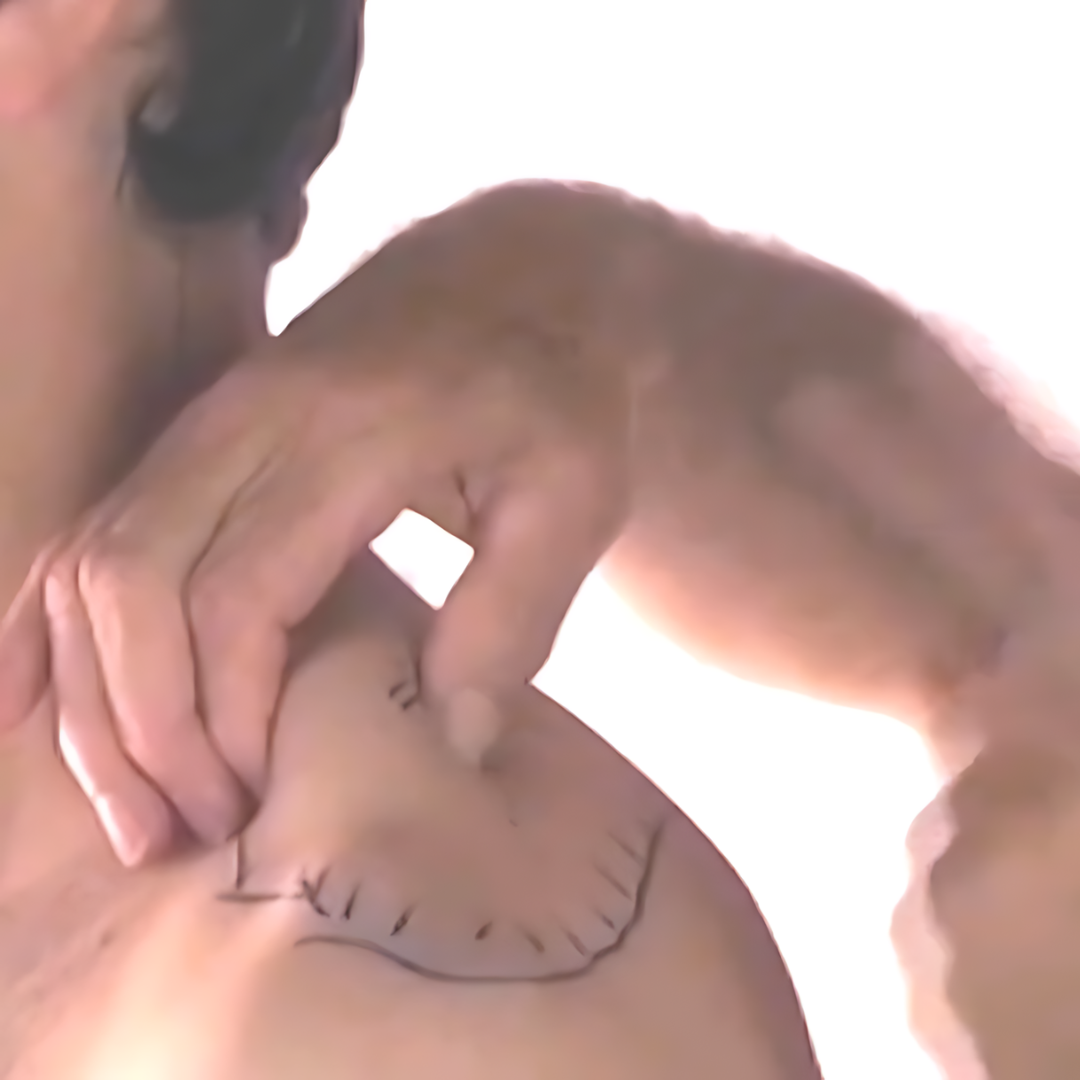
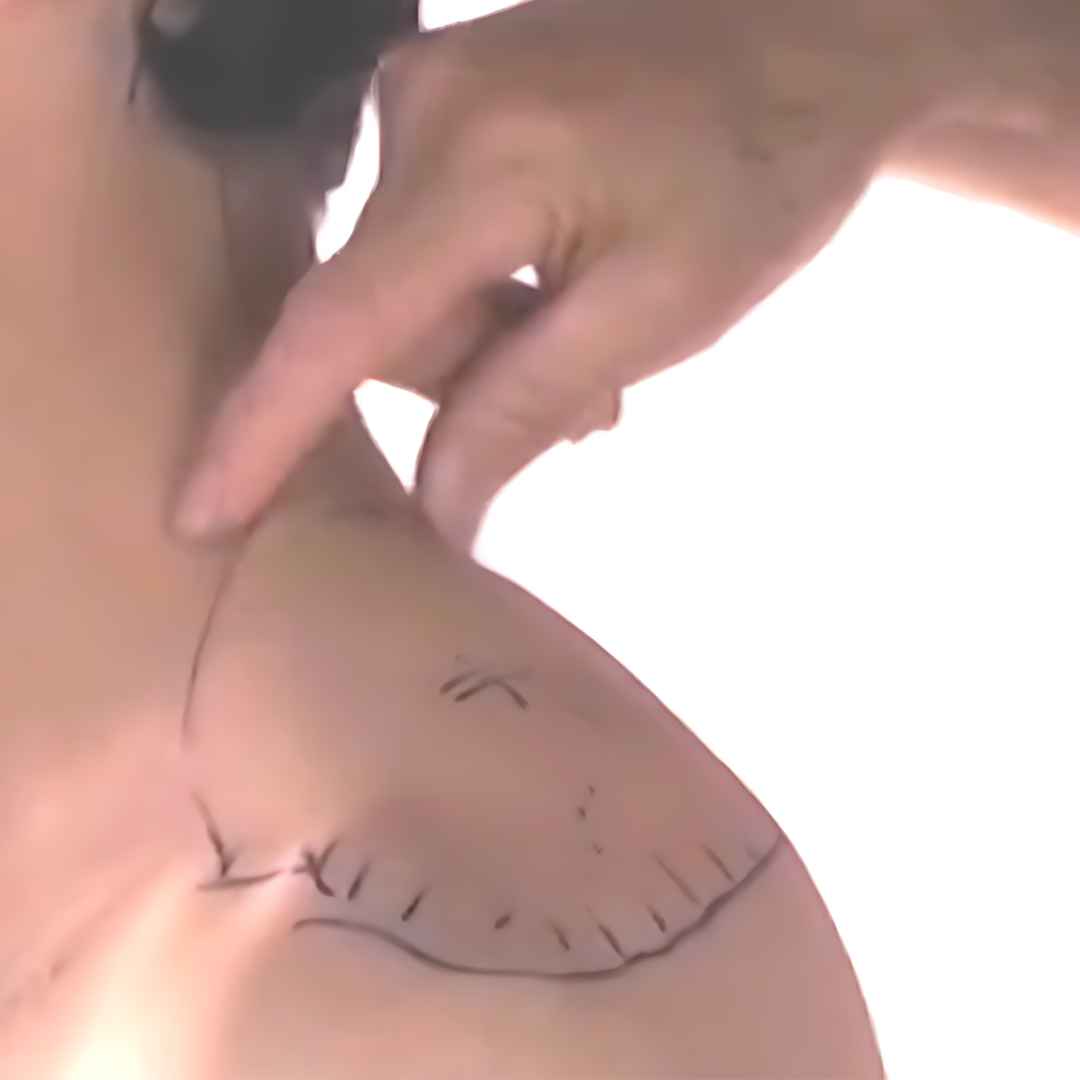
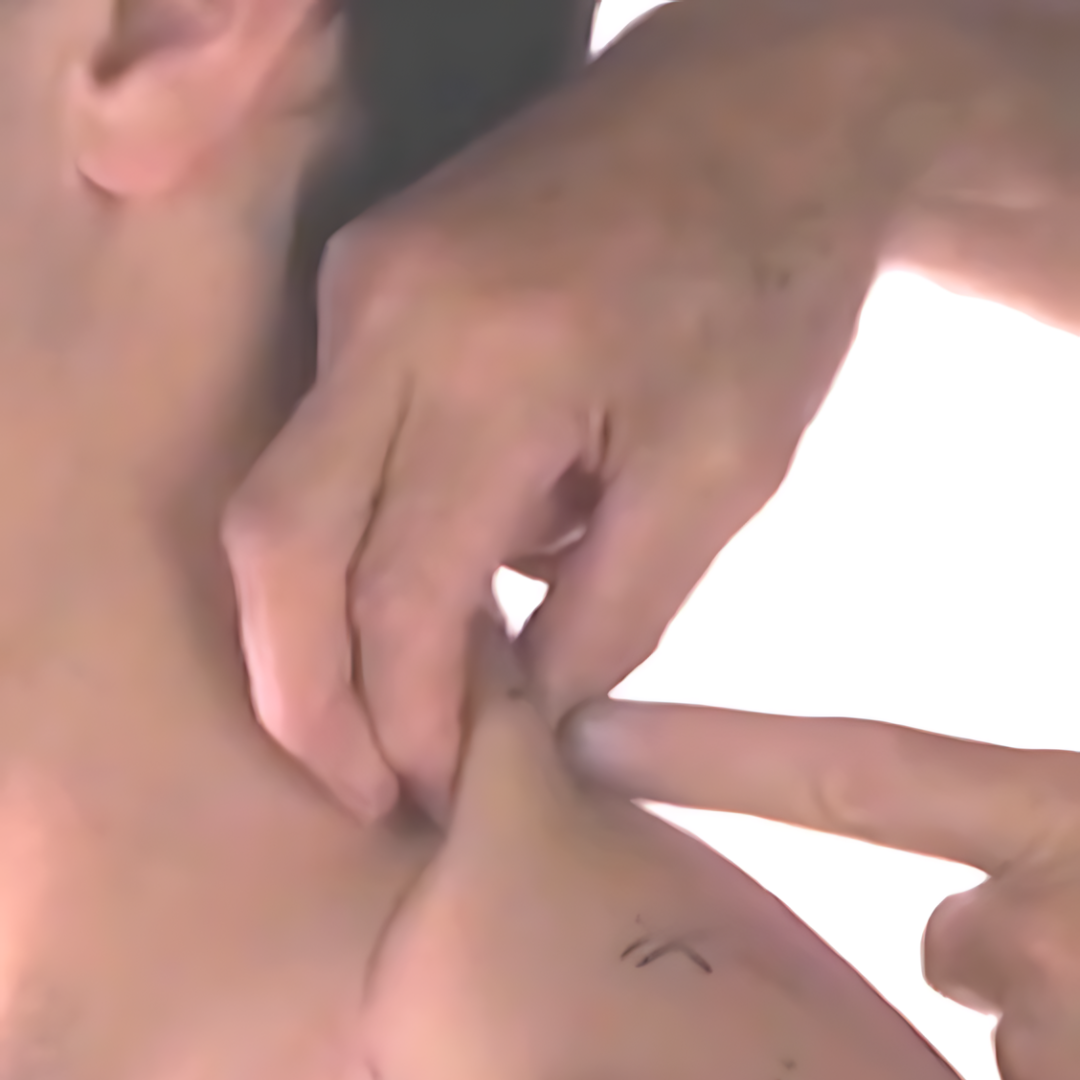
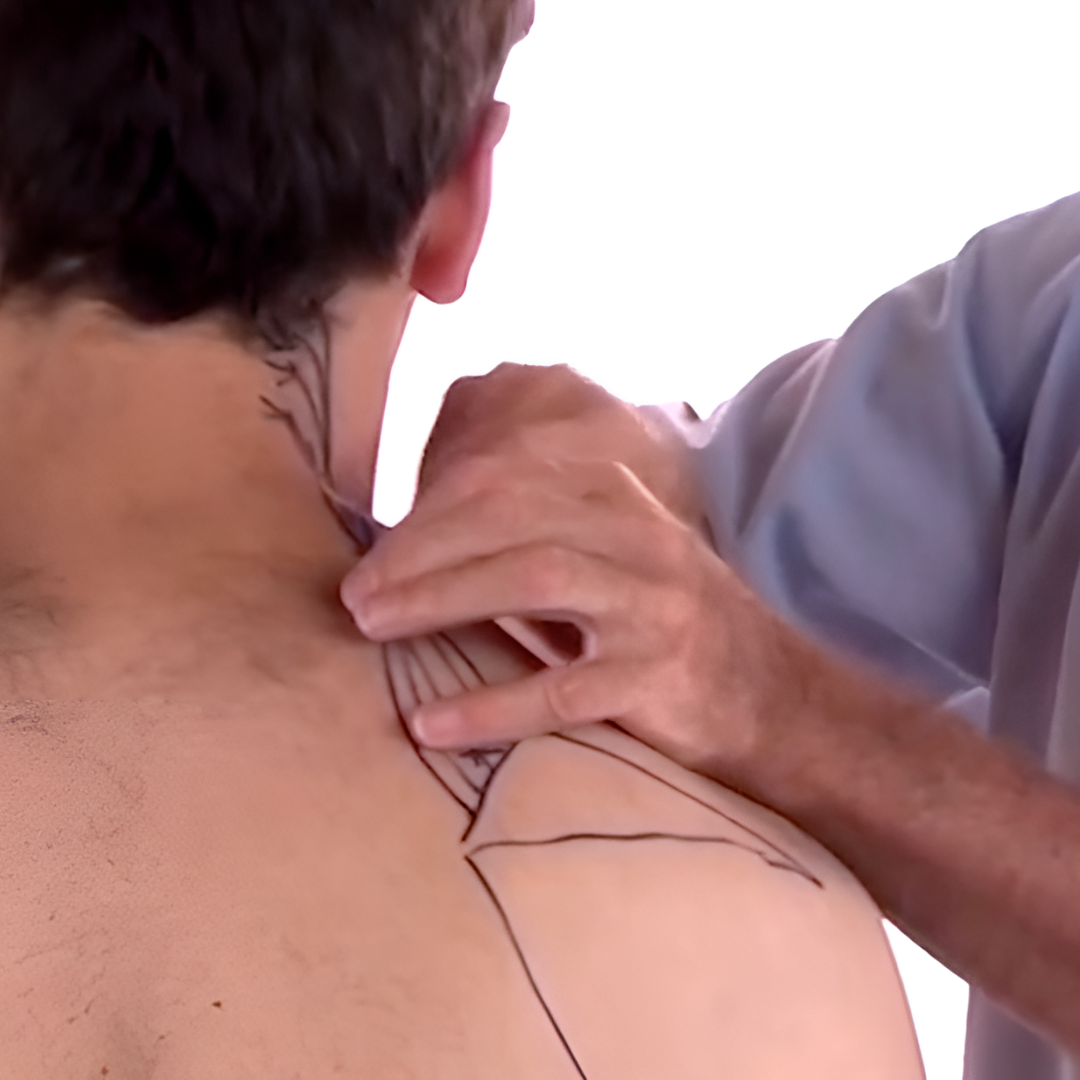
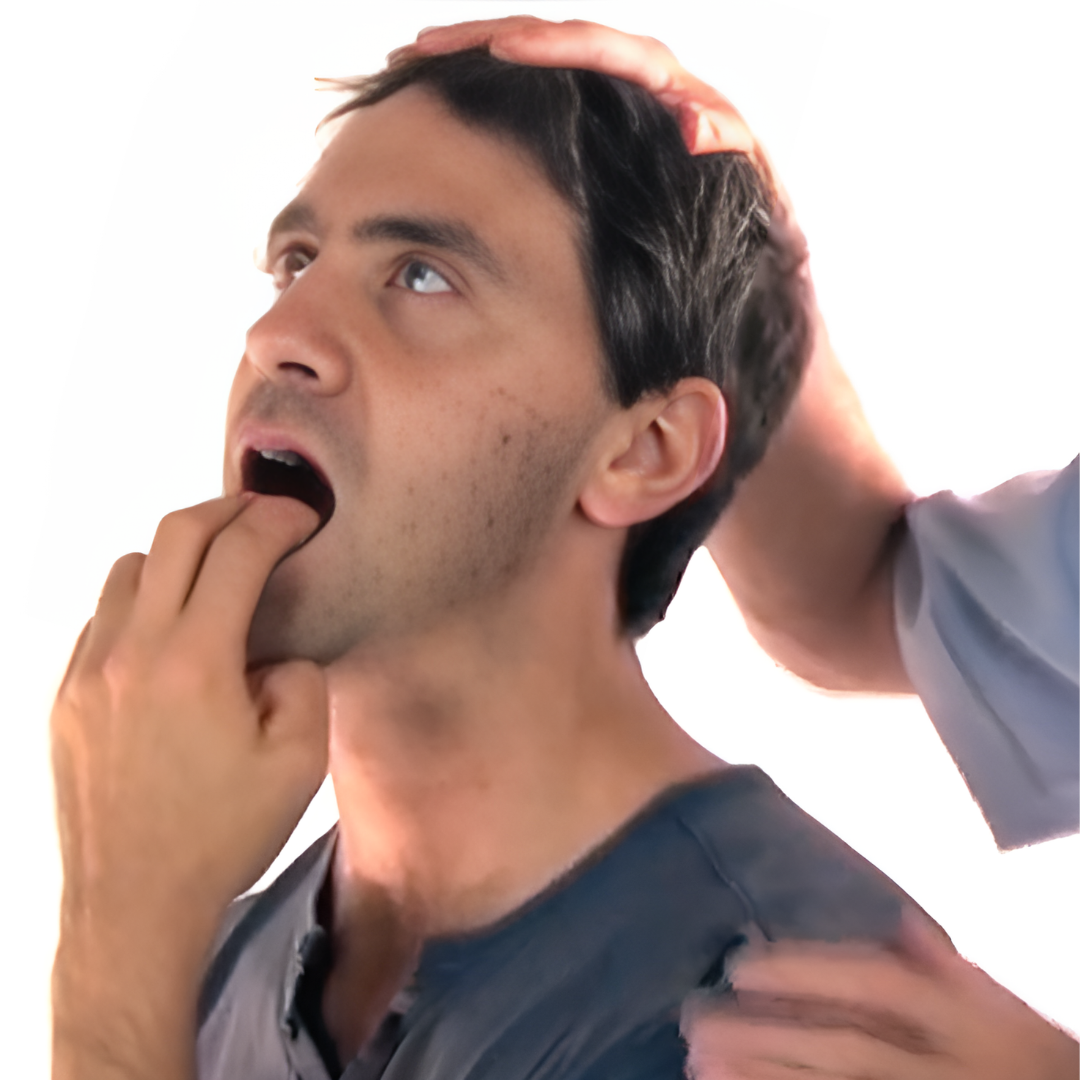
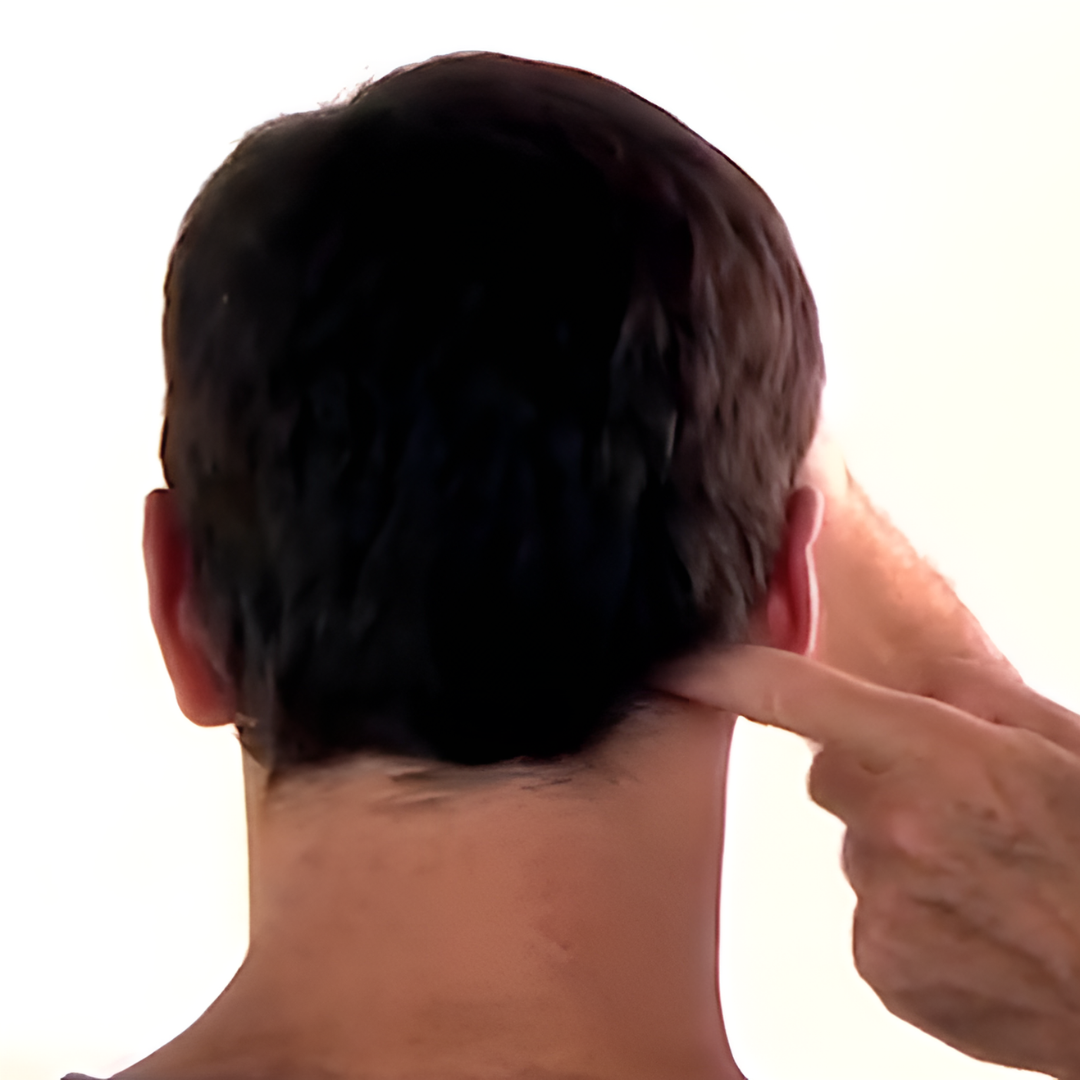
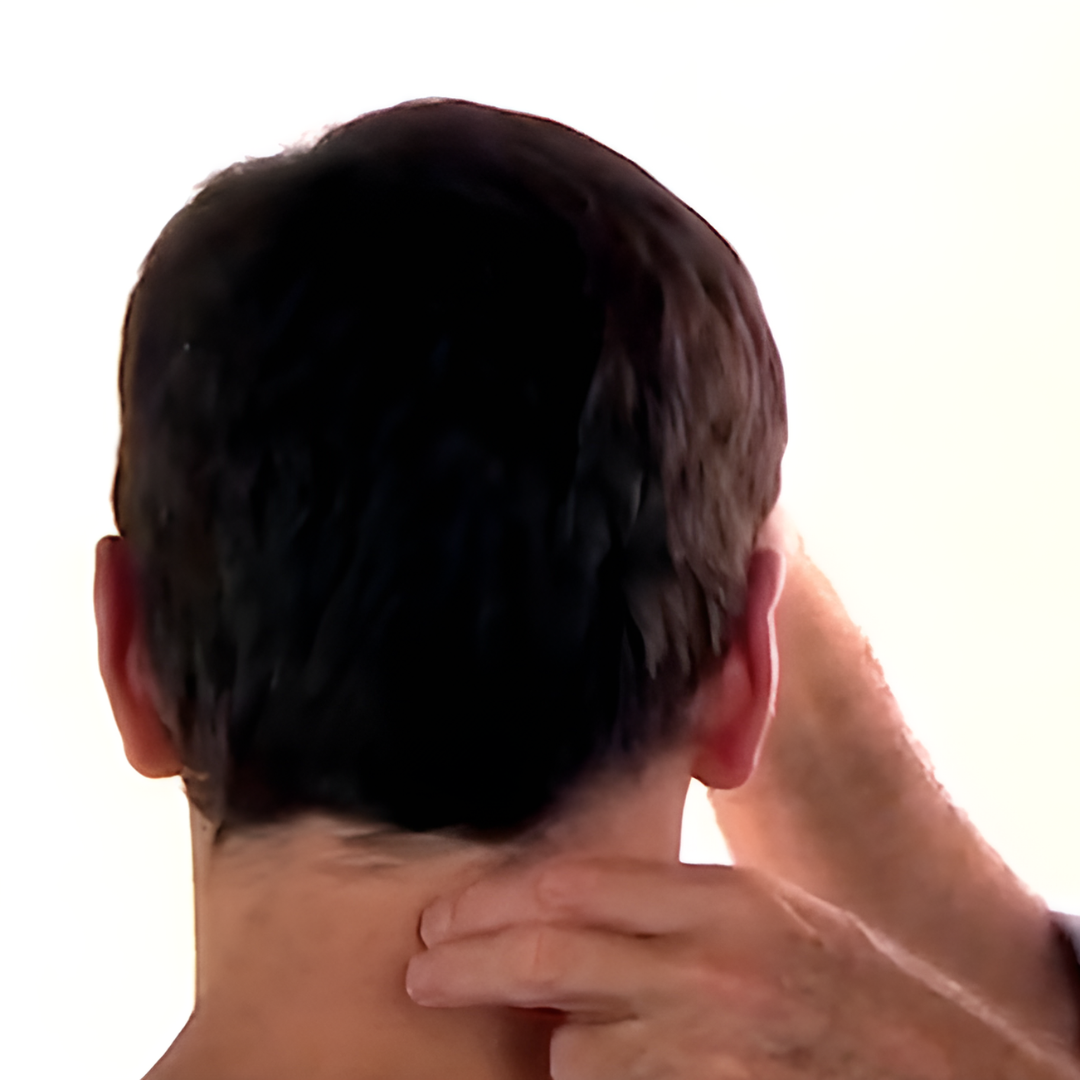
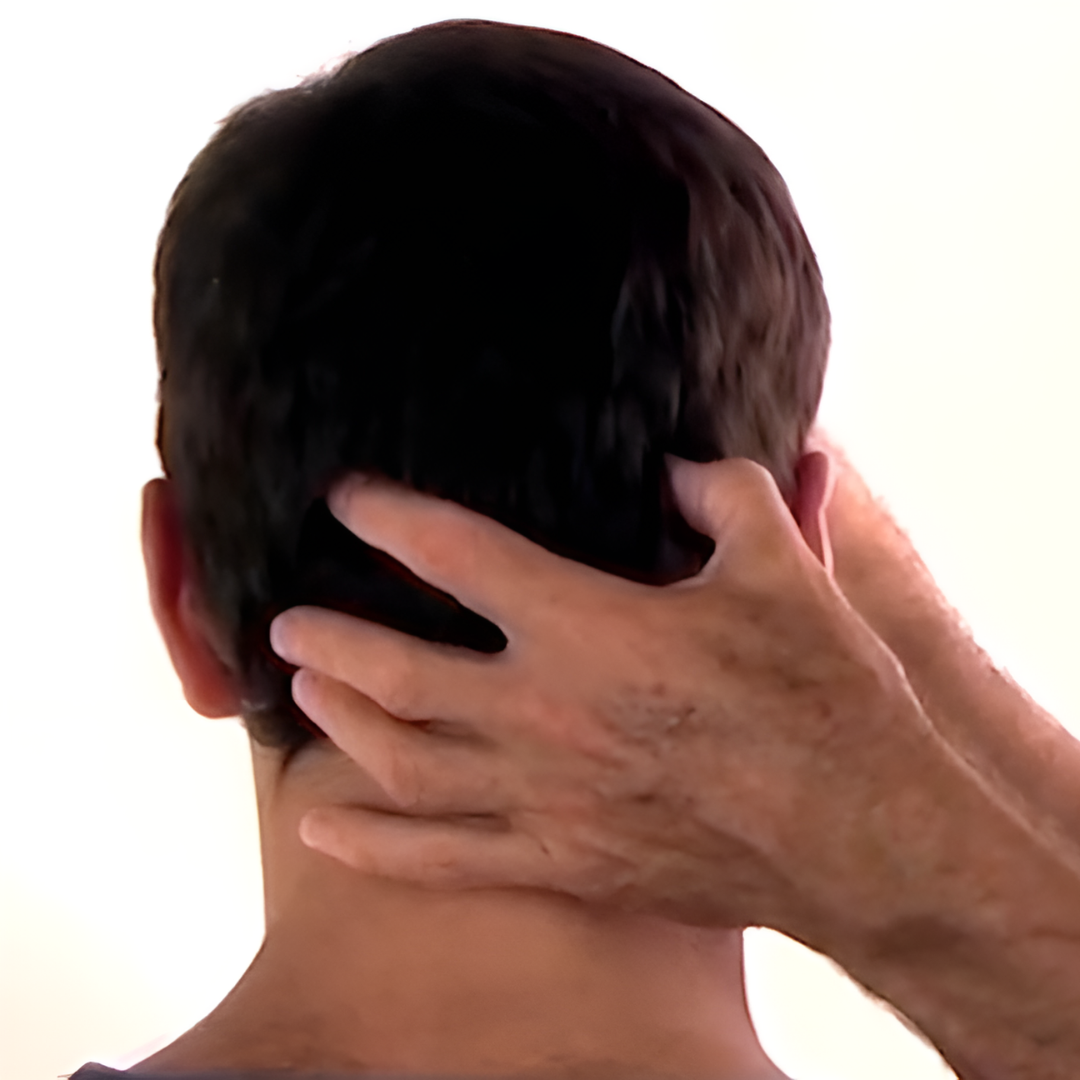
Tension Headache and Trigger Points (4 hrs)
Tension Headache and Trigger Points
4 Hours CE/CPD | Online Course with Dr. Jonathan Kuttner
Tension headaches are among the most common headache presentations encountered by massage, manual therapy, and rehabilitation professionals.
Tension Headache and Trigger Points explores the anatomical and clinical relationship between trigger points and headache symptoms, with a particular focus on Tension Type Headache.
Presented by Dr. Jonathan Kuttner, this course helps therapists better understand trigger point referral patterns, assessment considerations, treatment protocols, and client education strategies for headache-related presentations.
Course Overview
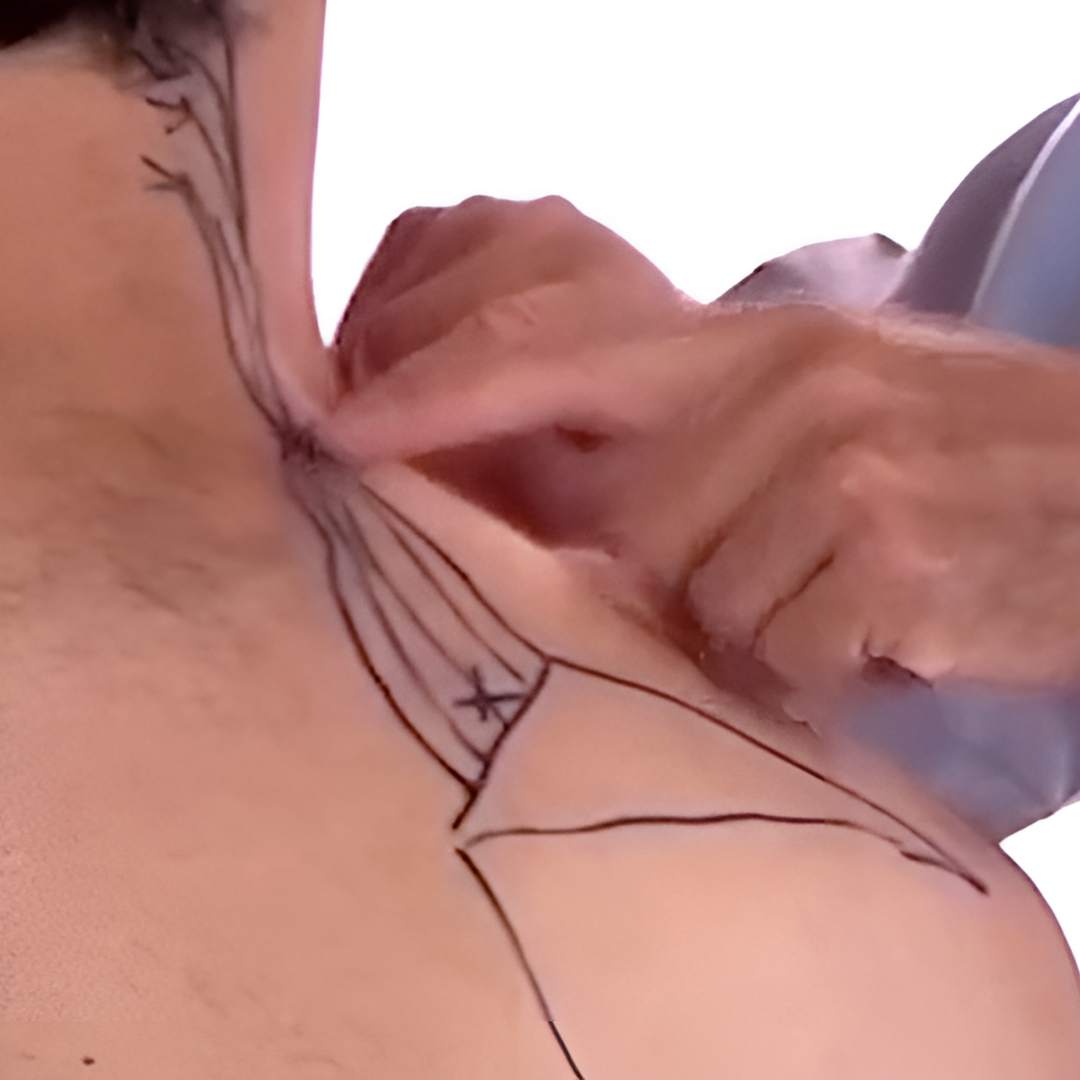
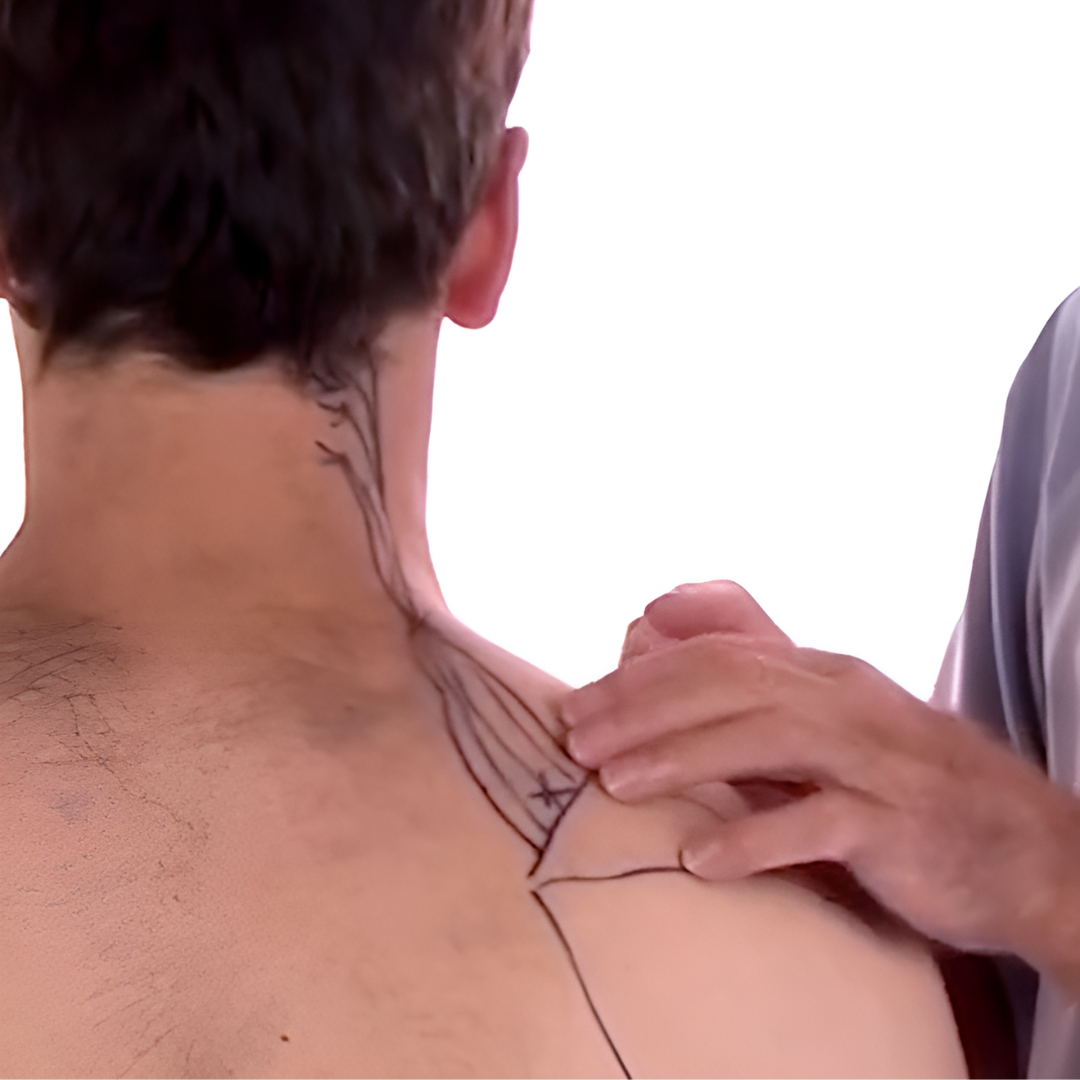
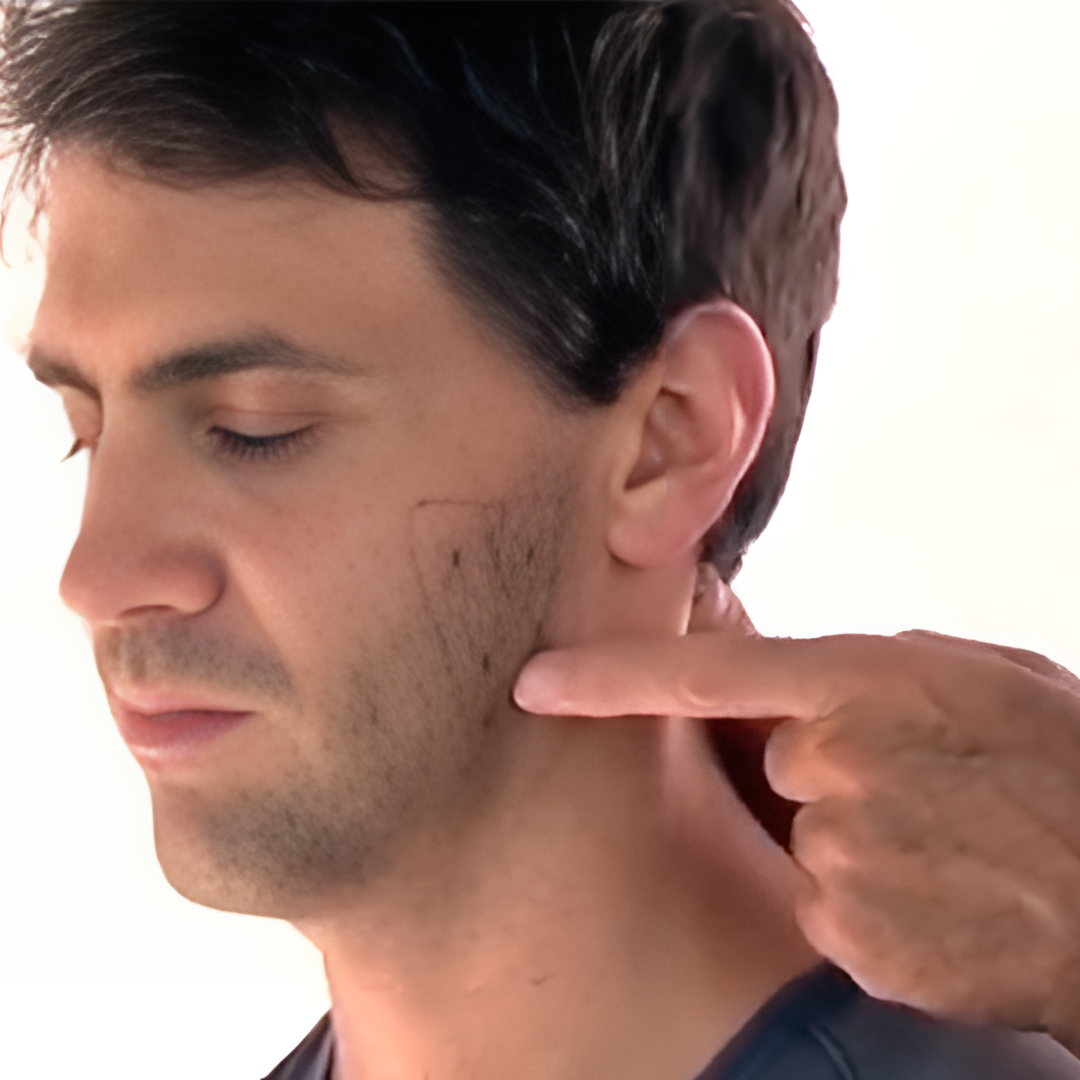
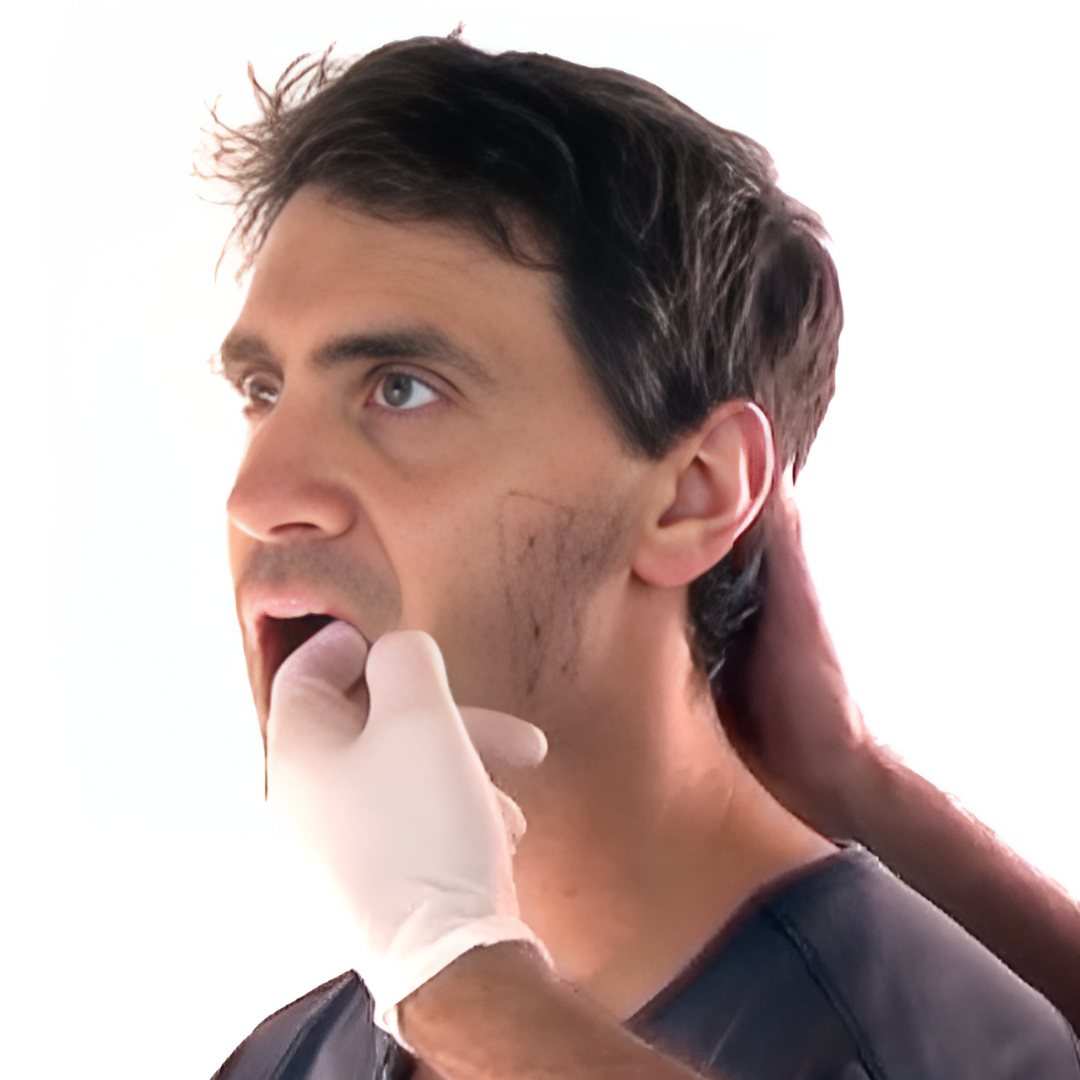
Across this 4-hour CE/CPD course, participants will take a detailed look at the trigger points most commonly associated with tension headaches and related headache patterns.
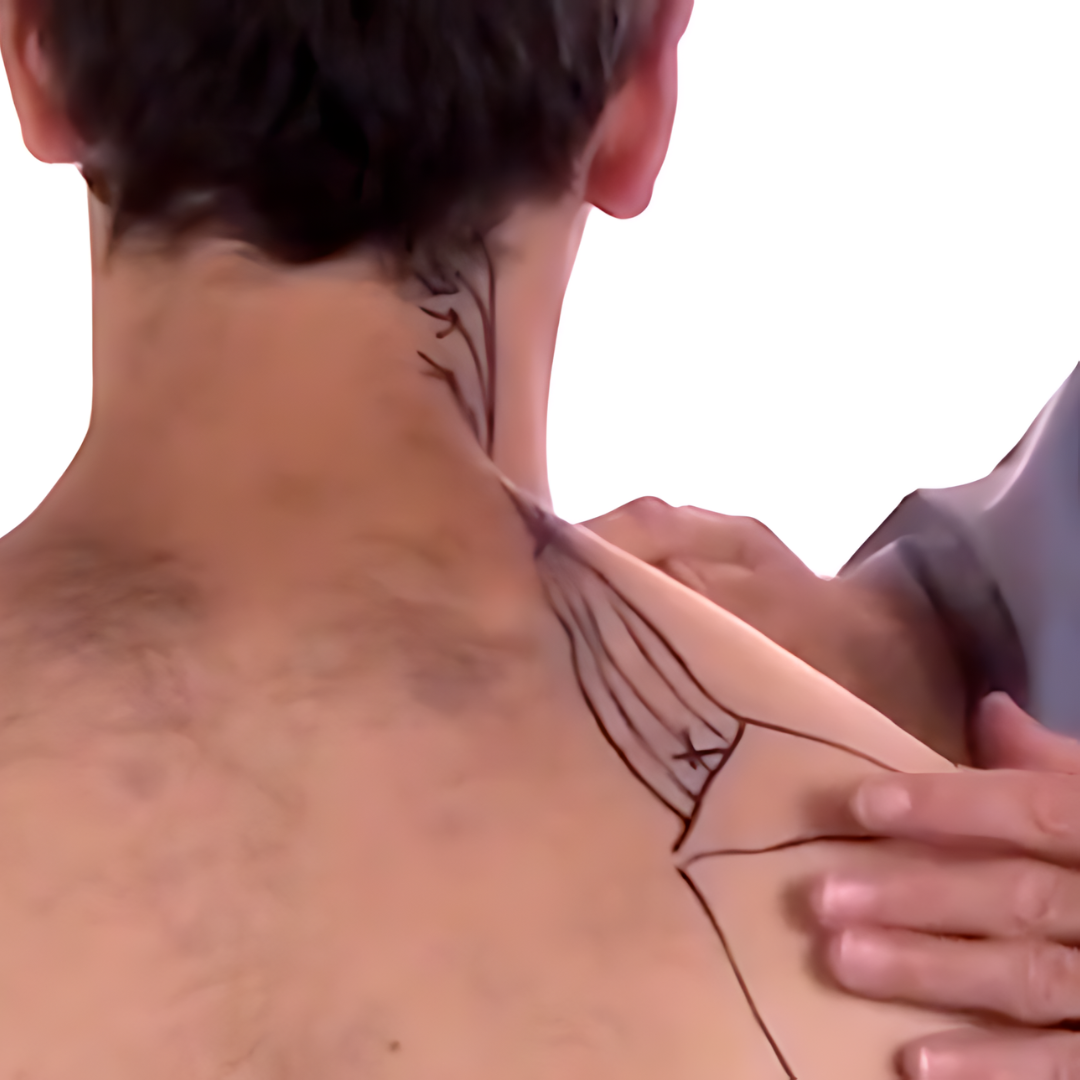
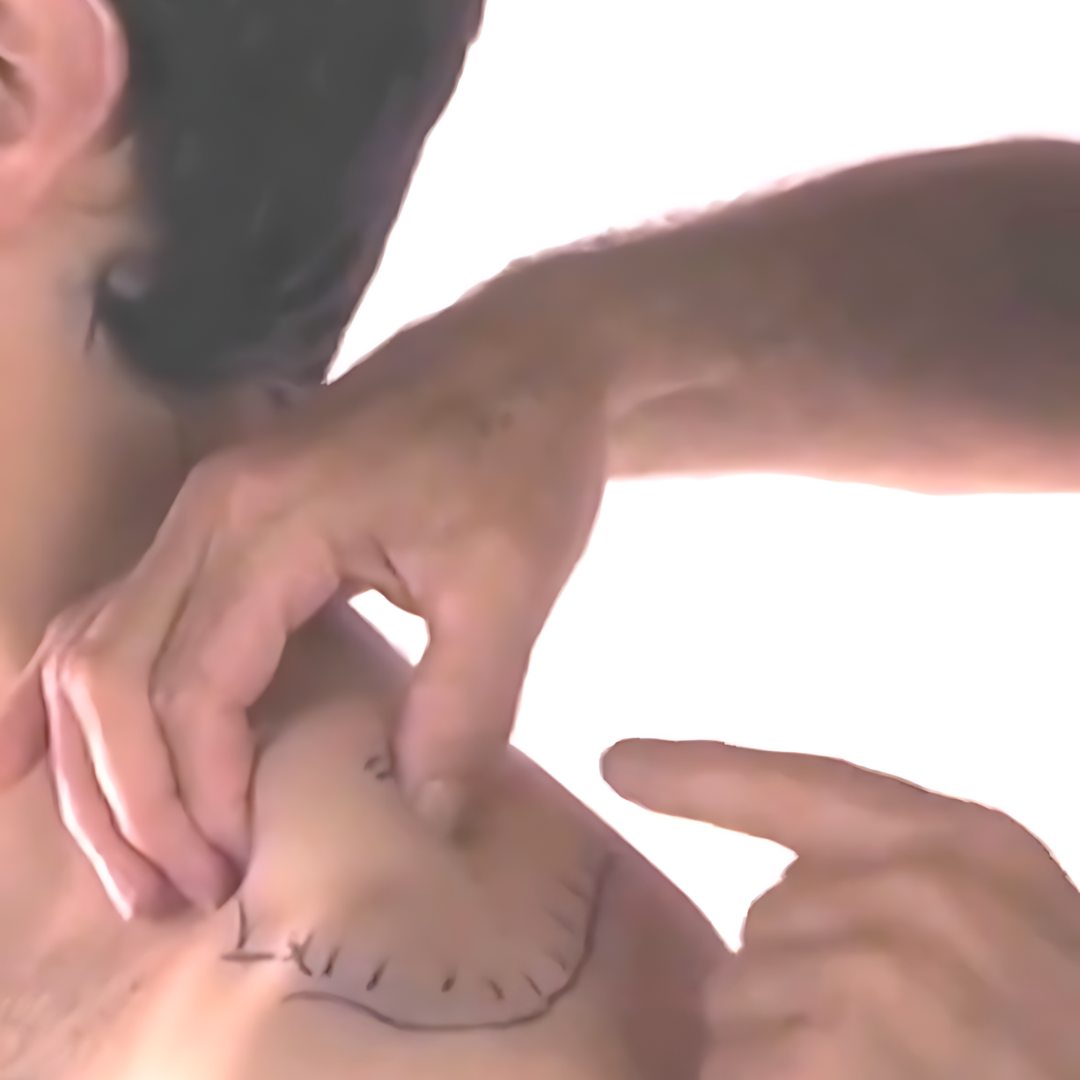
The course combines anatomy education, clinical reasoning, treatment protocols, practical video demonstrations, and self-help guidance to help therapists support clients more effectively.
Students will learn how trigger points may contribute to headache symptoms, how to identify relevant areas, and how to apply targeted treatment strategies within professional scope.
Supported by video classes, a fully illustrated course workbook, companion course, lesson quizzes, online exams, certification, and lifetime access, this course provides a practical learning pathway for therapists working with tension headache presentations.
What You Will Learn
| Topic | Focus |
|---|---|
| Tension Type Headache | Understanding common clinical features and the role of trigger points in headache presentations |
| Trigger Point Referral | Exploring referred pain patterns and the muscles commonly associated with headache symptoms |
| Assessment Process | Learning how to assess headache-related trigger points and related clinical findings |
| Treatment Protocols | Applying targeted treatment strategies for trigger points associated with tension headaches |
| Client Education | Helping clients understand contributing factors, prevention, and maintenance strategies |
| Self-Help Guidance | Supporting clients with appropriate routines and advice they can integrate into daily life |
Course Content
The course combines headache anatomy, trigger point theory, referred pain patterns, assessment principles, treatment protocols, practical demonstrations, and client self-help education.
| Module | Focus |
|---|---|
| Headache Types and Trigger Points | Understanding common headache types associated with trigger points, with emphasis on Tension Type Headache |
| Relevant Anatomy and Referral Patterns | Exploring the muscles, trigger point locations, and referral patterns involved in headache symptoms |
| Assessment and Clinical Reasoning | Identifying relevant trigger points and developing a structured approach to treatment planning |
| Treatment Protocols and Techniques | Applying hands-on strategies to address trigger points associated with tension headaches |
| Client Education and Maintenance | Providing preventive guidance, self-help advice, and maintenance strategies for clients |
Who This Course Is For
This course is suitable for rehabilitation professionals, massage therapists, manual therapists, physical therapists, physical therapist assistants, chiropractors, occupational therapists, occupational therapy assistants, athletic trainers, exercise professionals, fitness professionals, and other qualified practitioners.
It is especially valuable for professionals working with clients who experience tension headaches, headache-related neck and shoulder tension, trigger point pain patterns, stress-related muscular tension, and recurring head or neck discomfort.
About Dr. Jonathan Kuttner
Dr. Jonathan Kuttner, DPT, is a respected chronic pain specialist renowned as a leading authority on trigger points and trigger point therapy. His in-depth knowledge and innovative treatments have set a high standard in the field, earning him recognition both locally and internationally.
Jonathan is an outdoor enthusiast, spending his free time hiking, hang gliding off cliffs, or honing his skills in Aikido. His balanced approach to life blends his passion for health and wellness with his love for adventure.
In 2016, his significant contributions were formally acknowledged when he received a lifetime achievement award from the National Association of Myofascial Trigger Point Therapists (NAMTPT), solidifying his esteemed reputation in the field of pain management.
In this course, Dr. Kuttner guides students through the clinical relationship between trigger points and tension headaches, with practical strategies for assessment, treatment, and client education.
Included With This Course
| Included | Details |
|---|---|
| Video Classes | Online video instruction presented by Dr. Jonathan Kuttner |
| Fully Illustrated Course Workbook | Trigger Points for Headaches course workbook covering headache types, trigger points, protocols, and client guidance |
| Companion Course | Structured companion lessons designed to reinforce and deepen course understanding |
| Lesson Quizzes | Knowledge checks designed to reinforce learning throughout the course |
| Online Exams | Assessments included for course completion and certification |
| Certificate | 4 Hours CE/CPD following successful completion |
| Lifetime Access | Study at your own pace and revisit the material whenever required |
CE Finder
This course has been approved for continuing education by numerous professional boards and associations worldwide. Scroll sideways to find your board or association.
Approvals Listed: 66
CE Broker Provider: #20-658158
4
4
4
4
4
4
4
4
4
4
4
1.6
3
4
4
4
4
2
4
4
4
4
4
4
4
4
4
4
4
4
4
4
4
4
4
4
4
4
4
4
4
4
4
4
4
4
4
4
4
4
4
4
4
4
4
4
4
4
4
4
4
4
4
4
4
4
Approval requirements can change. Please confirm acceptance with your own board, association, employer, or regulatory authority before registration.
Tension Headache and Trigger Points
Professional Reviews & Feedback
The reviews below represent feedback provided by students and practitioners through Trustpilot, Google Reviews, and Judge.me.
“Dr. Kuttner explains tension headaches and trigger points with real clinical clarity. The course helped me connect headache patterns with muscular referral more confidently.”
“The sections on referred pain from the neck, shoulders, and jaw were especially useful for the clients I see every week.”
“I appreciated the practical assessment guidance. It gave me a better framework for identifying likely trigger point involvement.”
“The course helped me understand how tension-type headaches can be influenced by posture, stress, and soft tissue dysfunction.”
“Dr. Kuttner’s explanations are clear and clinically grounded. The material felt immediately relevant to massage practice.”
“The trigger point maps and treatment demonstrations made the headache referral patterns much easier to remember.”
“This course gave me more confidence working with clients who report recurring headaches and upper cervical tension.”
“A very useful course for understanding the relationship between suboccipitals, SCM, temporalis, trapezius, and headache symptoms.”
“The clinical reasoning was one of the strongest parts of the course. It helped me avoid treating all headaches the same way.”
“I liked the careful discussion of when headache symptoms may require referral rather than manual treatment alone.”
“The practical techniques were clearly demonstrated and easy to integrate into existing neck and shoulder sessions.”
“This course improved how I explain trigger point referral to clients without making the topic complicated.”
“Dr. Kuttner presents a complex subject in a way that is organised, practical, and easy to follow.”
“The material helped me better understand the difference between general neck tension and specific headache-related trigger point patterns.”
“The treatment ideas were realistic and respectful of client comfort, especially around sensitive cervical and jaw areas.”
“I appreciated the balance of anatomy, pain referral, assessment, and hands-on treatment.”
“A strong course for therapists who regularly work with clients reporting headaches, neck pain, and shoulder tightness.”
“The course helped me recognise when trigger points may be a contributing factor rather than assuming one single cause.”
“The demonstrations around suboccipital and upper trapezius work were especially valuable.”
“A practical and clinically useful course that has improved how I assess and treat headache-related soft tissue patterns.”