


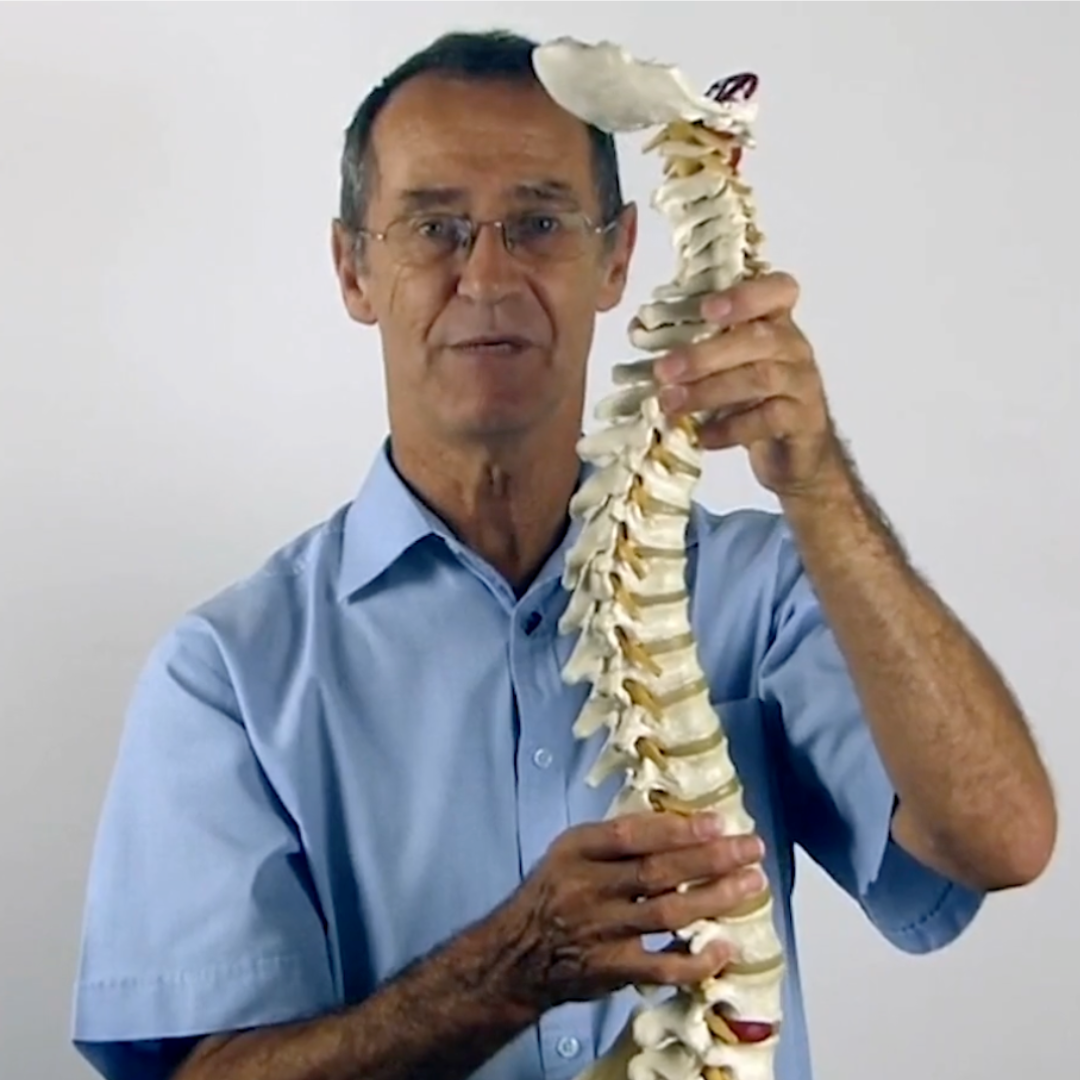
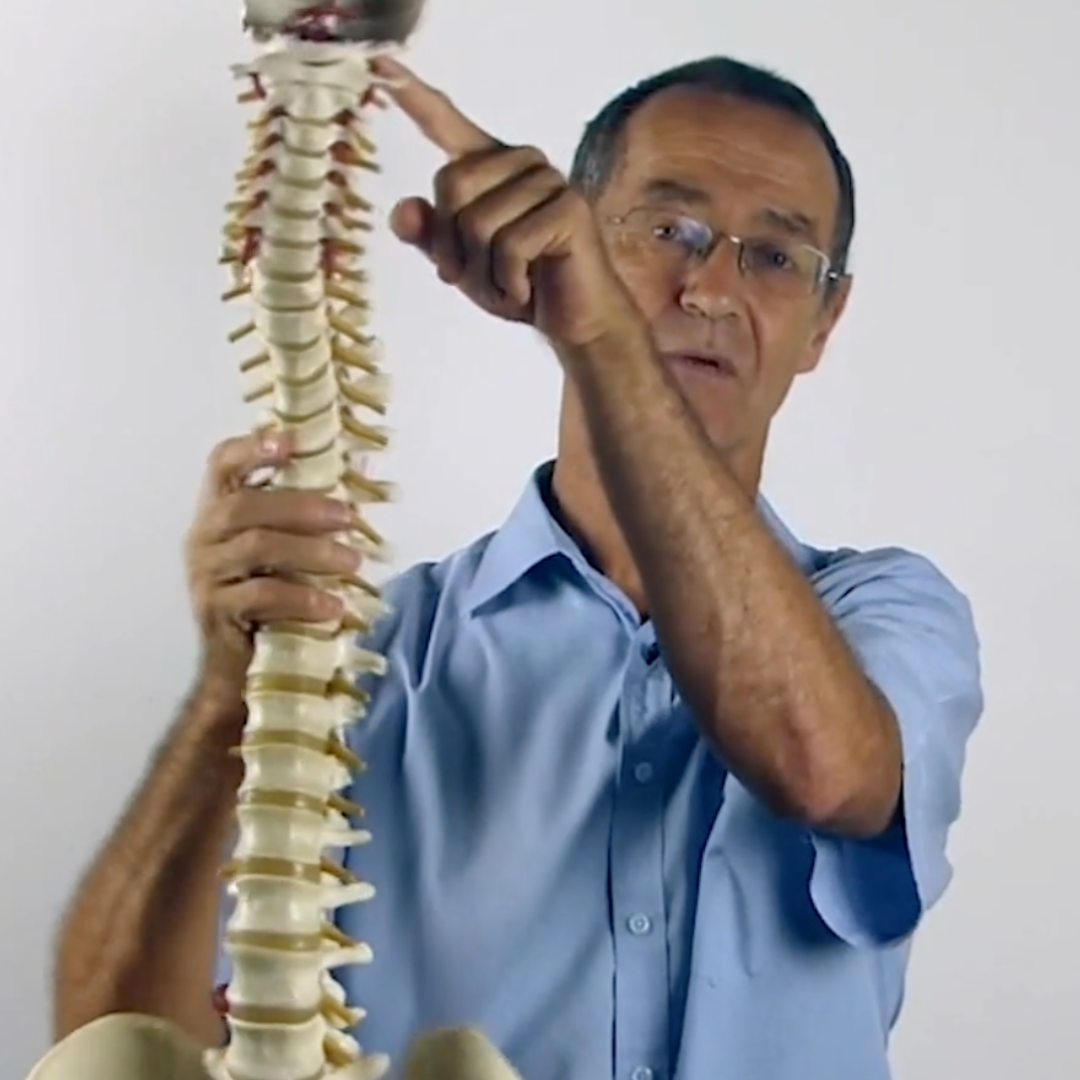
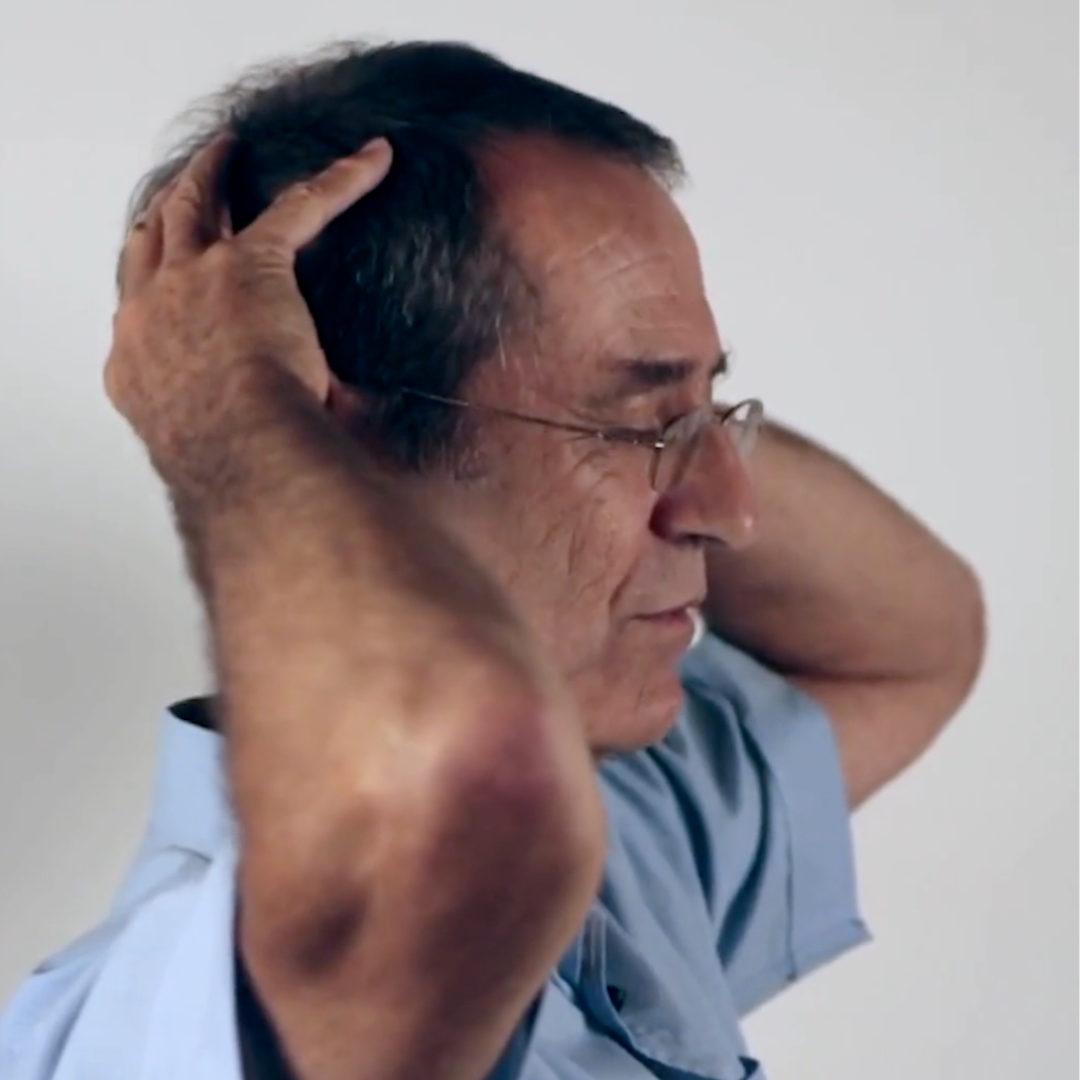
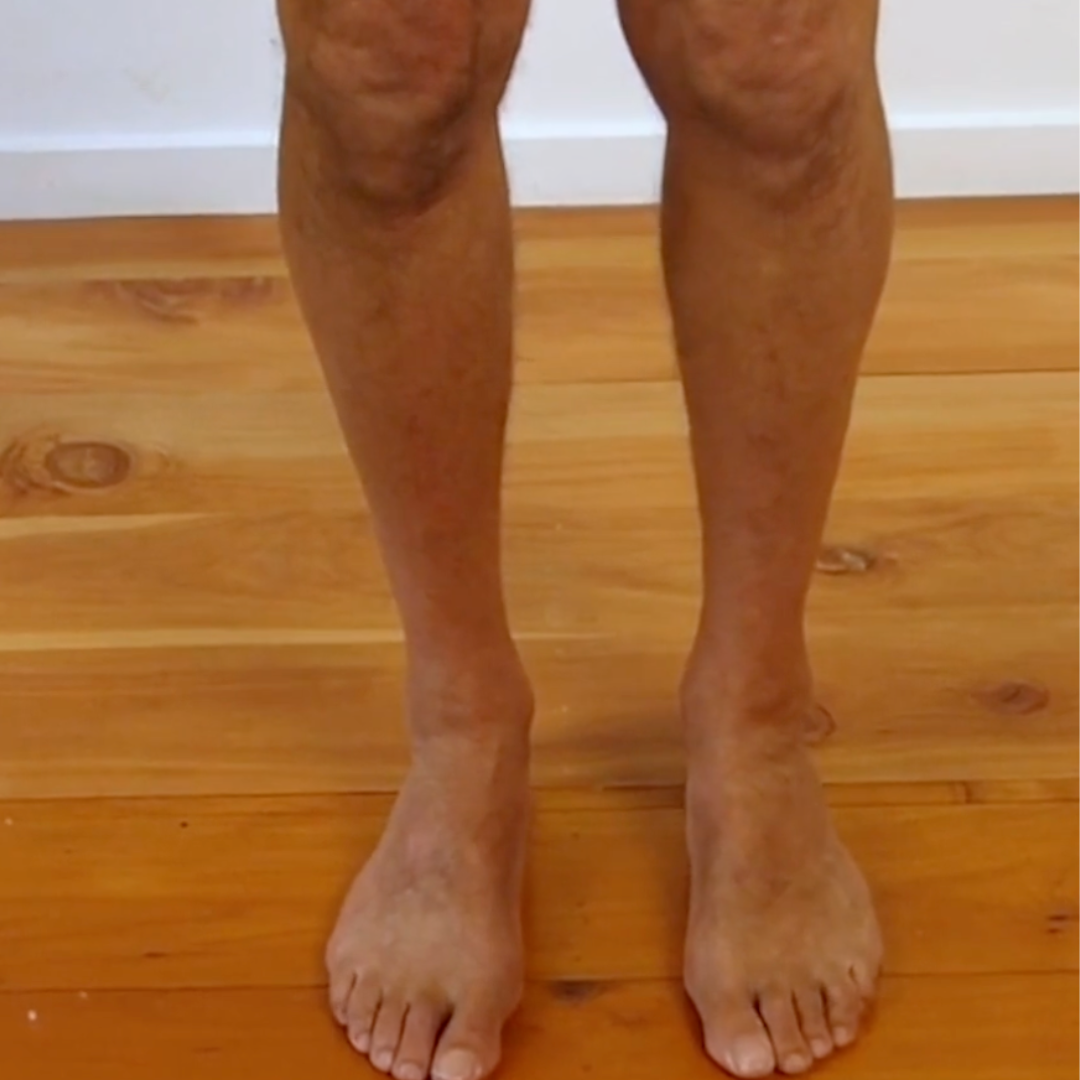
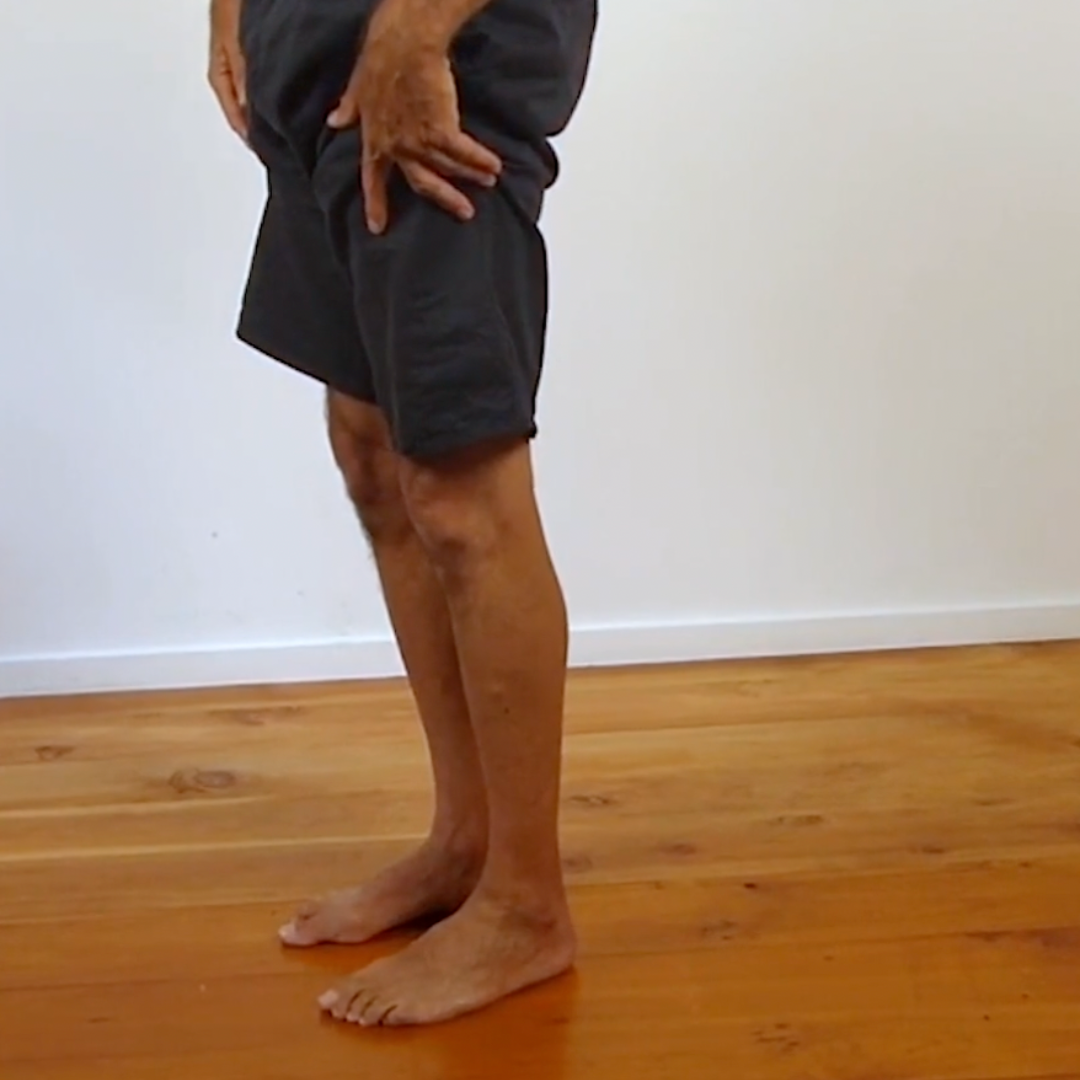
Understanding and Evaluating Posture (7 hrs)
Understanding and Evaluating Posture
7 Hours CE/CPD | Online Course with Dr. Jonathan Kuttner, DPT
Posture is one of the most frequently discussed topics in rehabilitation, manual therapy, fitness, and movement education—yet it is also one of the most misunderstood.
For decades, practitioners have been taught to identify "poor posture" and correct it. Modern research and clinical experience, however, increasingly suggest that posture alone rarely explains pain, dysfunction, or injury risk.
Understanding and Evaluating Posture takes a contemporary, evidence-informed approach to posture assessment. Rather than focusing on finding and correcting supposed faults, the course teaches practitioners how to evaluate posture within the broader context of movement, function, adaptability, load management, and individual presentation.
Course Overview
Presented by Dr. Jonathan Kuttner, this 7-hour CE/CPD course provides a practical framework for evaluating posture without falling into outdated assumptions or simplistic cause-and-effect thinking.
Students learn how to observe posture objectively, interpret findings within the context of the individual, assess whether posture is relevant to symptoms or movement limitations, and make informed clinical decisions based on function rather than appearance.
A simple clinical framework—Observe, Contextualize, Test, and Decide—runs throughout the course, providing a repeatable method that can be applied across a wide variety of clinical and performance settings.
By the end of the course, participants will have a clearer understanding of posture's role within rehabilitation and movement practice, helping them move beyond posture correction models toward a more functional, client-centred approach.
Supported by video classes, a fully illustrated course text, companion course, lesson quizzes, final examination, certificate of completion, subtitles, and lifetime access, this course provides a comprehensive and practical approach to posture evaluation.
What You Will Learn
| Topic | Focus |
|---|---|
| Modern Posture Science | Understanding current evidence surrounding posture, pain, and movement |
| Objective Observation | Learning how to assess posture without bias or assumptions |
| Clinical Context | Determining when posture may or may not be relevant to symptoms and function |
| Movement Assessment | Evaluating posture alongside movement quality, adaptability, and load tolerance |
| Clinical Decision-Making | Using the Observe, Contextualize, Test, and Decide framework in practice |
| Client Communication | Discussing posture in ways that promote confidence, movement, and positive outcomes |
Course Content
The course combines posture assessment, movement analysis, clinical reasoning, contemporary pain science, rehabilitation principles, and practical decision-making strategies.
| Module | Focus |
|---|---|
| Rethinking Posture | Examining common myths and misconceptions surrounding posture |
| Observation Without Assumption | Developing objective observational skills and avoiding premature conclusions |
| Context and Function | Understanding posture within the broader context of the individual |
| Movement and Load Assessment | Evaluating movement quality, capacity, and functional performance |
| The Clinical Framework | Applying the Observe, Contextualize, Test, and Decide model in practice |
| Integrating Posture into Treatment Planning | Using posture appropriately as part of comprehensive clinical reasoning |
Who This Course Is For
This course is suitable for rehabilitation professionals, massage therapists, manual therapists, physical therapists, physical therapist assistants, chiropractors, occupational therapists, occupational therapy assistants, athletic trainers, exercise professionals, fitness professionals, and movement educators.
It is particularly valuable for practitioners who assess posture regularly and want a more evidence-informed, functional, and clinically useful framework for understanding its role within movement, pain, and rehabilitation.
About Dr. Jonathan Kuttner
Dr. Jonathan Kuttner, DPT, is a respected chronic pain specialist and internationally recognised authority on trigger points and trigger point therapy.
His extensive clinical experience has helped shape modern understanding of pain, movement dysfunction, and rehabilitation. Through decades of practice, teaching, and research, he has developed a reputation for translating complex clinical concepts into practical strategies that therapists can immediately apply.
In recognition of his contributions to the profession, Dr. Kuttner received a Lifetime Achievement Award from the National Association of Myofascial Trigger Point Therapists (NAMTPT) in 2016.
Included With This Course
| Included | Details |
|---|---|
| Video Classes | Online video instruction presented by Dr. Jonathan Kuttner |
| Fully Illustrated Course Text | Supporting reference material covering posture, movement assessment, and clinical reasoning |
| Companion Course | Expanded lesson content designed to reinforce and deepen learning |
| Lesson Quizzes | Knowledge checks throughout the course to reinforce understanding |
| Online Exam | Assessment included for course completion |
| Certificate | 7 Hours CE/CPD following successful completion |
| Lifetime Access | Study at your own pace and revisit course materials whenever required |
| Subtitles | English, French, German, and Spanish subtitles included |
CE Finder
This course has been approved for continuing education by numerous professional boards and associations worldwide. Scroll sideways to find your board or association.
Approvals Listed: 62
CE Broker Provider: #20-860544
7
7
7
7
7
7
7
7
7
7
7
2.8
7
7
3
7
7
7
3.5
7
7
7
7
7
7
7
7
7
7
7
7
7
7
7
7
7
7
7
7
7
7
7
7
7
7
7
7
7
7
7
7
7
7
7
7
7
7
7
7
7
7
7
Approval requirements can change. Please confirm acceptance with your own board, association, employer, or regulatory authority before registration.
Understanding and Evaluating Posture
Professional Reviews & Feedback
The reviews below represent feedback provided by students and practitioners through Trustpilot, Google Reviews, and Judge.me.
“Dr. Kuttner presents posture in a much more thoughtful way than the usual ‘good posture versus bad posture’ approach.”
“The course helped me stop over-interpreting posture and start looking at function, movement, and context.”
“I appreciated the balanced message. Posture matters, but it has to be evaluated carefully rather than blamed for everything.”
“The assessment framework was practical and easy to bring into clinic without making clients feel judged.”
“This course gave me better language for discussing posture with clients in a more helpful and less fear-based way.”
“Dr. Kuttner explains the limitations of traditional posture models clearly and respectfully.”
“The course helped me connect posture, movement habits, load, and symptoms without jumping to conclusions.”
“A very useful course for anyone who has been taught outdated posture correction ideas and wants a more modern framework.”
“The practical evaluation sections made it easier to decide when posture is relevant and when it probably is not.”
“I liked the focus on observation, clinical reasoning, and testing rather than simply labelling posture as faulty.”
“The course improved how I explain posture to clients who are worried that their body position is causing all their pain.”
“Dr. Kuttner’s approach is practical, current, and much more useful than rigid posture correction protocols.”
“This training helped me evaluate posture without making assumptions or creating unnecessary concern for clients.”
“The course gave me a clearer way to combine posture observation with movement testing and client history.”
“I found the discussion around posture, pain, and individual variation especially valuable.”
“The material encouraged me to move away from appearance-based assessment and focus more on function.”
“A sensible and clinically useful course that changed how I talk about posture in my practice.”
“The course made posture assessment feel more nuanced, more respectful, and more evidence-informed.”
“Dr. Kuttner makes a complicated and often misunderstood topic feel clear and clinically manageable.”
“A strong course for therapists who want to understand posture without falling into outdated correction-based thinking.”