

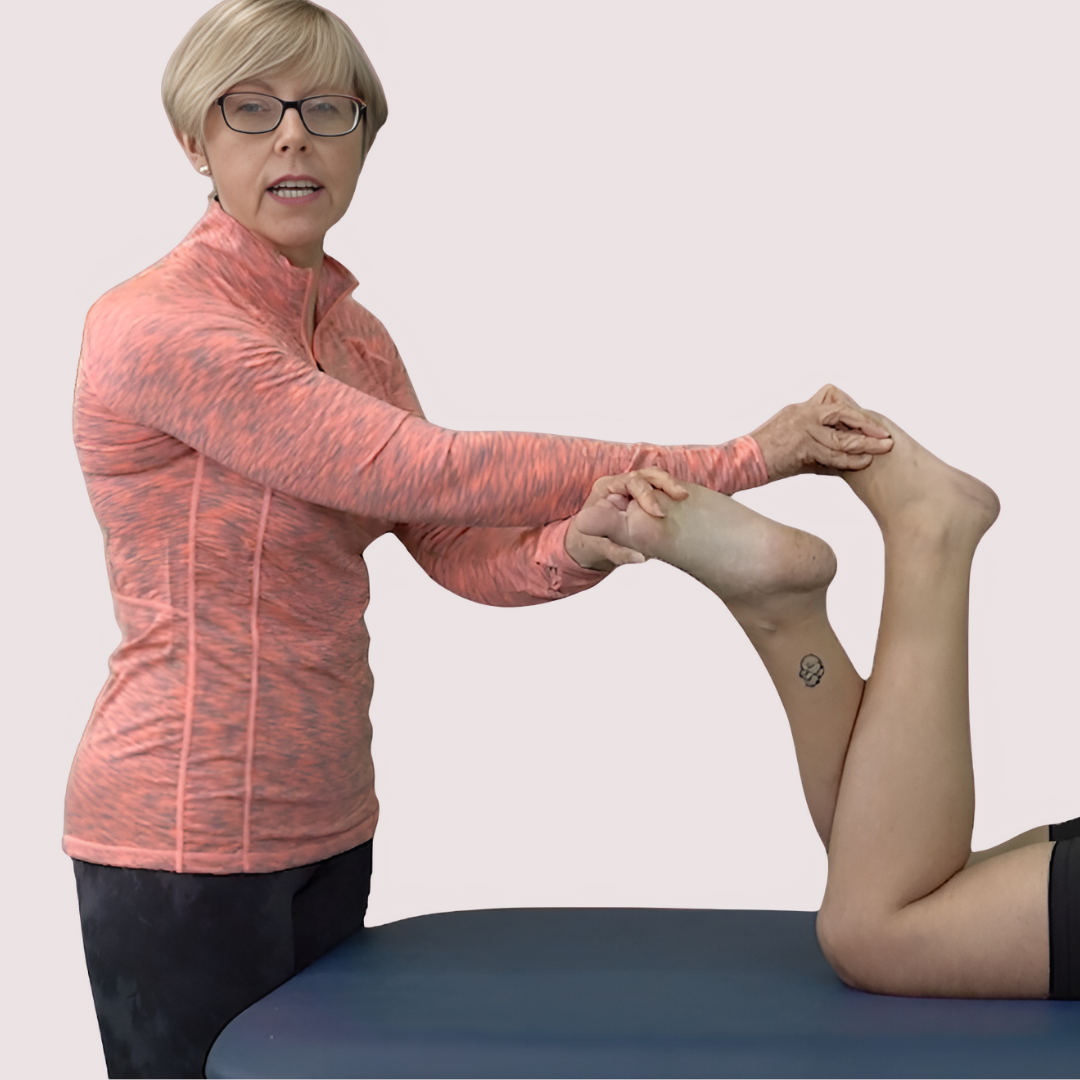
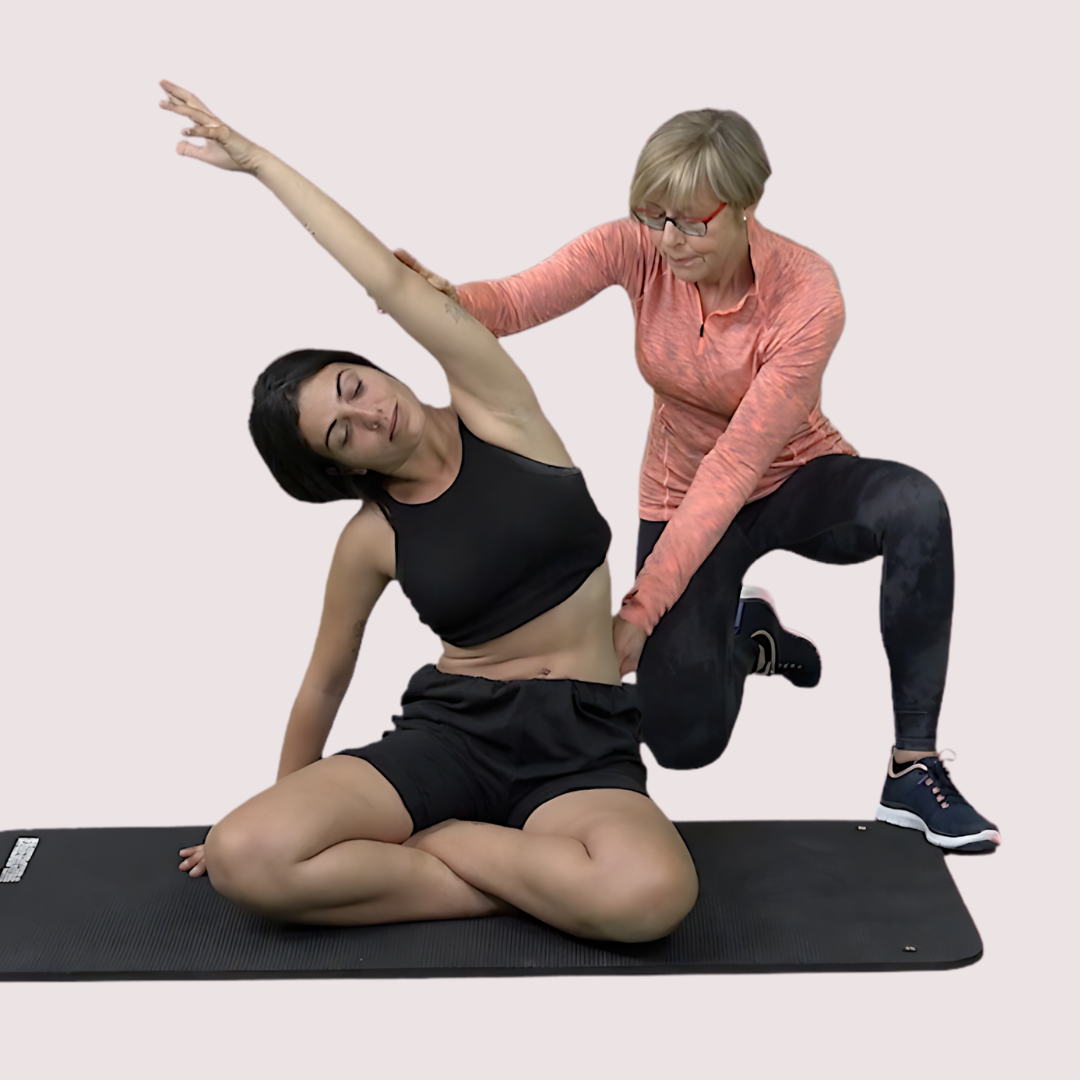
Biomechanics - Lower Body (9 hrs)
Biomechanics of the Lower Body
9 Hours CE/CPD | Online Course with Phillipa Butler PT
Walking, jogging, and running are fundamental human movements, but when gait mechanics become inefficient or painful, the effects can be felt throughout the lower body and beyond.
Biomechanics of the Lower Body explores what happens when gait goes awry, how practitioners can assess common movement errors, and how biomechanical principles may be applied to support treatment, rehabilitation, and injury prevention.
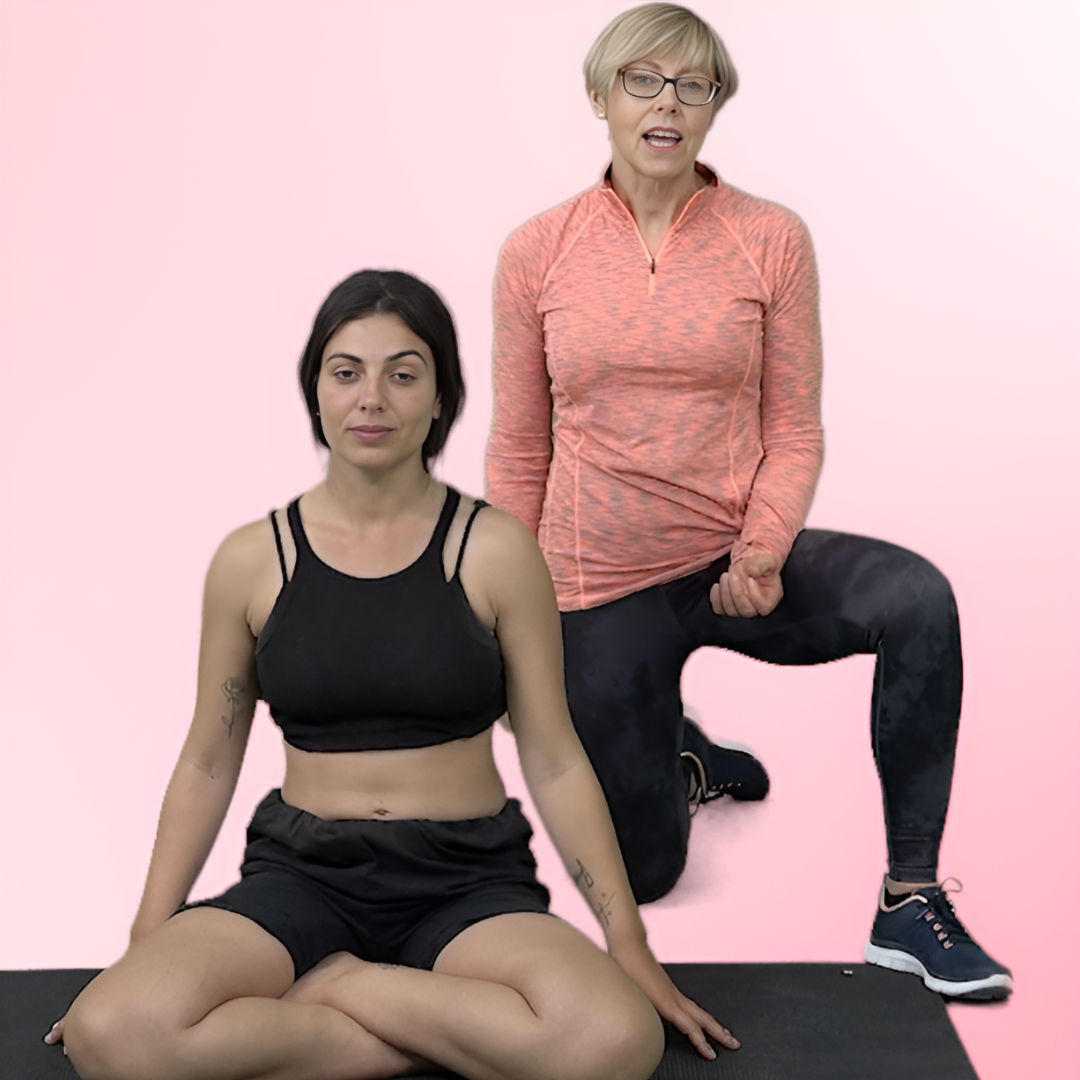
Presented by Chartered Physiotherapist Phillipa Butler, this course integrates principles from biomechanics, myofascial chains, Anatomy Trains, core stability, footwear considerations, orthotic correction, and therapeutic exercise to help professionals better understand lower body function and movement-based rehabilitation.
Course Overview
Across this 9-hour CE/CPD course, participants will explore the biomechanics of the lower body, with particular attention to gait, walking technique, foot mechanics, movement assessment, common injuries, and rehabilitation strategies.
The course examines the role and function of fascia, key myofascial and anatomical links through the body, the sequence of essential events required for ideal walking technique, and the key components of biomechanical assessment, including the biomechanics of the feet.
Participants will consider common movement errors and injuries, treatment options for lower body dysfunction, the role of core stability in management and prevention, and the application of strengthening, flexibility, motor control, and coordination exercises.
Supported by 18 video classes, a fully illustrated course text, lesson quizzes, online examination, subtitles in English, French, German, and Spanish, and certificate of completion, this course provides a structured learning experience for professionals working with gait, lower body function, rehabilitation, and injury prevention.
What You Will Learn
| Topic | Focus |
|---|---|
| Gait & Walking Mechanics | Understanding the sequence of essential events required for efficient walking technique |
| Fascia & Myofascial Chains | Exploring the role of fascia and key anatomical links through the body |
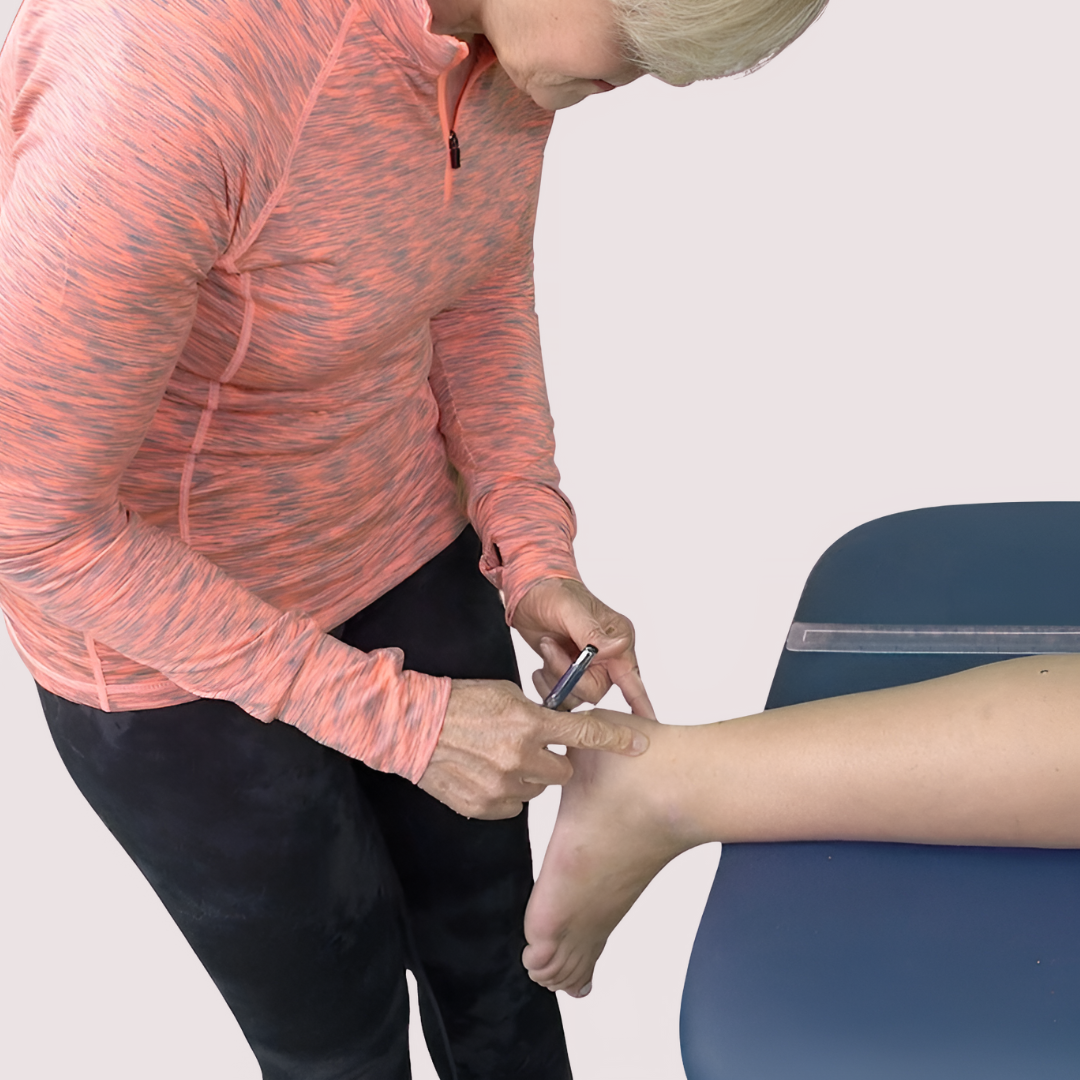
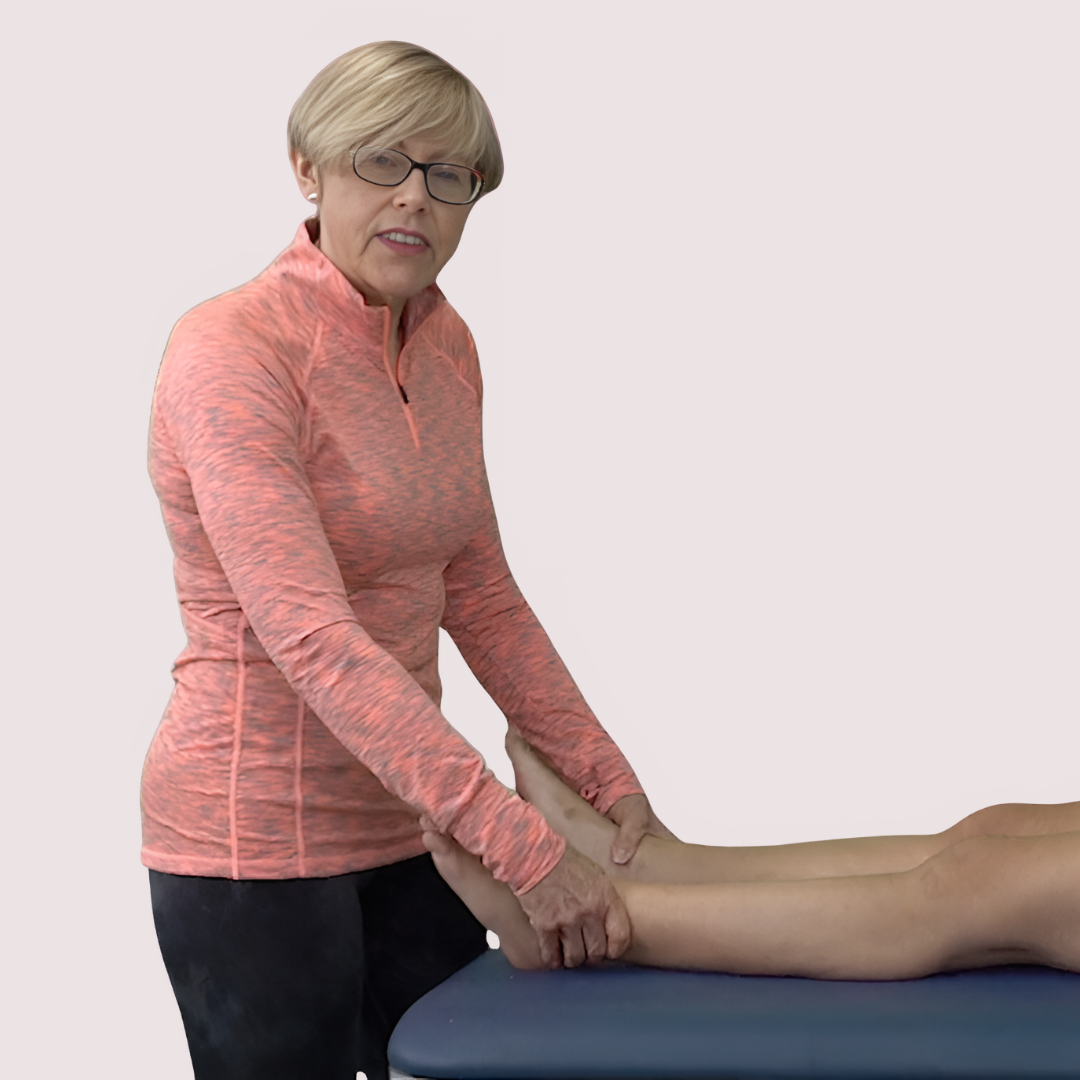
| Biomechanical Assessment | Identifying assessment components, including foot biomechanics, movement errors, and injury patterns |
| Core Stability & Injury Prevention | Understanding the role of core stability in lower body management, control, and prevention strategies |
| Exercise Application | Applying strengthening, flexibility, motor control, and coordination exercises to manage and prevent injury |
| Footwear & Orthotic Considerations | Discussing footwear contribution and indications for orthotic correction |
Course Content
The course combines biomechanics, gait analysis, fascia education, myofascial chain theory, assessment principles, lower body injury management, footwear considerations, and exercise-based rehabilitation strategies.
| Module | Focus |
|---|---|
| Lower Body Biomechanics | Anatomy, movement, gait function, and lower body biomechanical relationships |
| Fascia & Anatomical Links | The role of fascia, myofascial chains, Anatomy Trains concepts, and whole-body movement connections |
| Walking, Jogging & Running Mechanics | Movement sequencing, gait efficiency, common errors, and practical assessment considerations |
| Assessment & Foot Mechanics | Biomechanical assessment, foot function, movement analysis, and common injury presentations |
| Treatment & Rehabilitation Strategies | Treatment of common injuries, core stability, therapeutic exercise, prevention, and recovery planning |
| Footwear & Orthotic Correction | Footwear contribution, orthotic indications, and practical decision-making in lower body management |
Who This Course Is For
This course is suitable for rehabilitation professionals, massage therapists, manual therapists, physical therapists, physical therapist assistants, occupational therapists, occupational therapy assistants, athletic trainers, nurses, carers, exercise professionals, and fitness professionals.
It is especially valuable for practitioners who work with clients experiencing gait issues, lower body pain, foot and ankle problems, running-related injuries, movement inefficiency, postural compensation, instability, or recurrent lower limb dysfunction.
About Phillipa Butler
Phillipa Butler PT, MSCP, is a Chartered Physiotherapist with extensive experience across both NHS and private sector practice, specializing in rehabilitation following accidents, illnesses, and injuries.
Passionate about teaching, Phillipa is skilled in helping individuals engage in safe and effective exercise while highlighting the transformative role of movement in recovery, confidence, and long-term wellbeing.
A certified instructor across multiple disciplines, Phillipa is a Pilates Mat and Reformer teacher, Hatha Yoga instructor, and meditation teacher. She integrates this broad skill set into a comprehensive approach to rehabilitation, movement education, and physical wellbeing.
Her work reflects a strong commitment to helping people unlock their physical potential through safe progression, movement awareness, therapeutic exercise, and a holistic understanding of body function.
Included With This Course
| Included | Details |
|---|---|
| Video Classes | 18 online video classes presented by Phillipa Butler PT |
| Fully Illustrated Course Text | Supporting course text covering gait, biomechanics, fascia, assessment, treatment, and exercise concepts |
| Lesson Quizzes | Knowledge checks designed to reinforce learning throughout the course |
| Online Exam | Assessment included for course completion |
| Certificate | 9 Hours CE/CPD following successful completion |
| Lifetime Access | Study at your own pace and revisit the material whenever required |
| Subtitles | English, French, German, and Spanish subtitles included |
CE Finder
This course has been approved for continuing education by numerous professional boards and associations worldwide. Scroll sideways to find your board or association.
Approvals Listed: 64
CE Broker Provider: #20-968538
9
9
9
9
9
9
9
9
9
9
3.6
9
9
9
9
9
4.5
9
9
9
9
9
9
9
9
9
9
9
9
9
9
9
9
9
9
9
9
9
9
9
9
9
9
9
9
9
9
9
9
9
9
9
9
9
9
9
9
9
9
9
9
9
9
9
Approval requirements can change. Please confirm acceptance with your own board, association, employer, or regulatory authority before registration.
Biomechanics of the Lower Body
Professional Reviews & Feedback
The reviews below represent feedback provided by students and practitioners through Trustpilot, Google Reviews, and Judge.me.
“Phillipa Butler does an exceptional job of explaining lower-body biomechanics in a way that immediately translates to clinical practice.”
“The course completely changed how I assess walking, squatting, and functional movement patterns.”
“The movement demonstrations were excellent. I now have a much clearer understanding of lower limb mechanics.”
“A highly practical course that connects anatomy, biomechanics, and rehabilitation in a very logical way.”
“The sections on gait and movement assessment were especially valuable for my practice.”
“Phillipa's teaching style is outstanding. Complex biomechanical concepts become surprisingly easy to understand.”
“The course strengthened my understanding of how hip, knee, and foot mechanics influence one another.”
“Excellent continuing education. The practical examples helped me connect biomechanics to real client presentations.”
“I appreciated the emphasis on movement quality and functional assessment.”
“The course improved how I evaluate lower limb dysfunction and movement compensation patterns.”
“The explanations around hip stability and lower extremity control were particularly useful.”
“One of the strongest biomechanics courses I have completed. Very professional and clinically relevant.”
“The course gave me a much deeper appreciation of how movement patterns influence injury risk.”
“The practical demonstrations made it easy to understand movement faults and corrective strategies.”
“Phillipa combines clinical experience and biomechanics exceptionally well. I learned a great deal.”
“The course improved both my assessment skills and my confidence in discussing movement with clients.”
“The sections on gait analysis and functional movement were worth the course alone.”
“A very useful course for therapists working with runners, athletes, and active individuals.”
“The material was detailed without becoming overwhelming. Everything felt practical and applicable.”
“An excellent course that strengthened my understanding of lower-body movement, function, and rehabilitation.”